Challenging the Myth of Solitary Invention
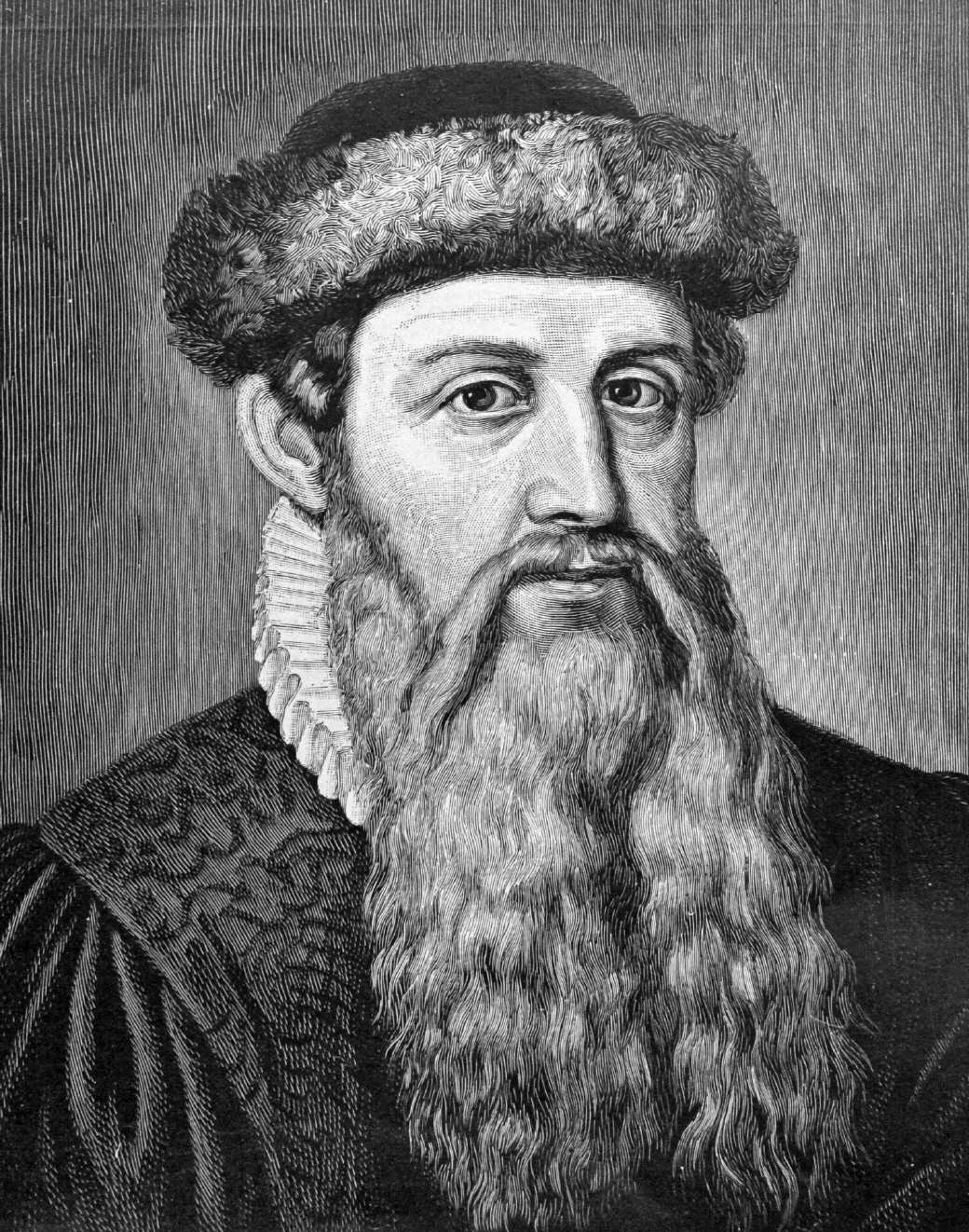
For generations, popular history has celebrated Johannes Gutenberg as the solitary genius who invented printing out of whole cloth in mid-fifteenth-century Germany. School curricula and popular biographies frequently depict him as an isolated visionary battling a skeptical world, only to be cast into penury by predatory creditors once his masterpiece, the forty-two-line Bible, was completed. Yet modern archival research and historical scholarship tell a strikingly different and far more nuanced story.
The most fundamental misconception surrounding Gutenberg is the belief that he created the art of printing itself. Historical documentation confirms that printing was pioneered centuries earlier in East Asia [s1]. Long before Gutenberg operated his workshop in Mainz, printers across China and Korea had developed both woodblock printing and movable type systems, establishing thriving textual cultures that circulated religious, governmental, and literary works on an unprecedented scale.
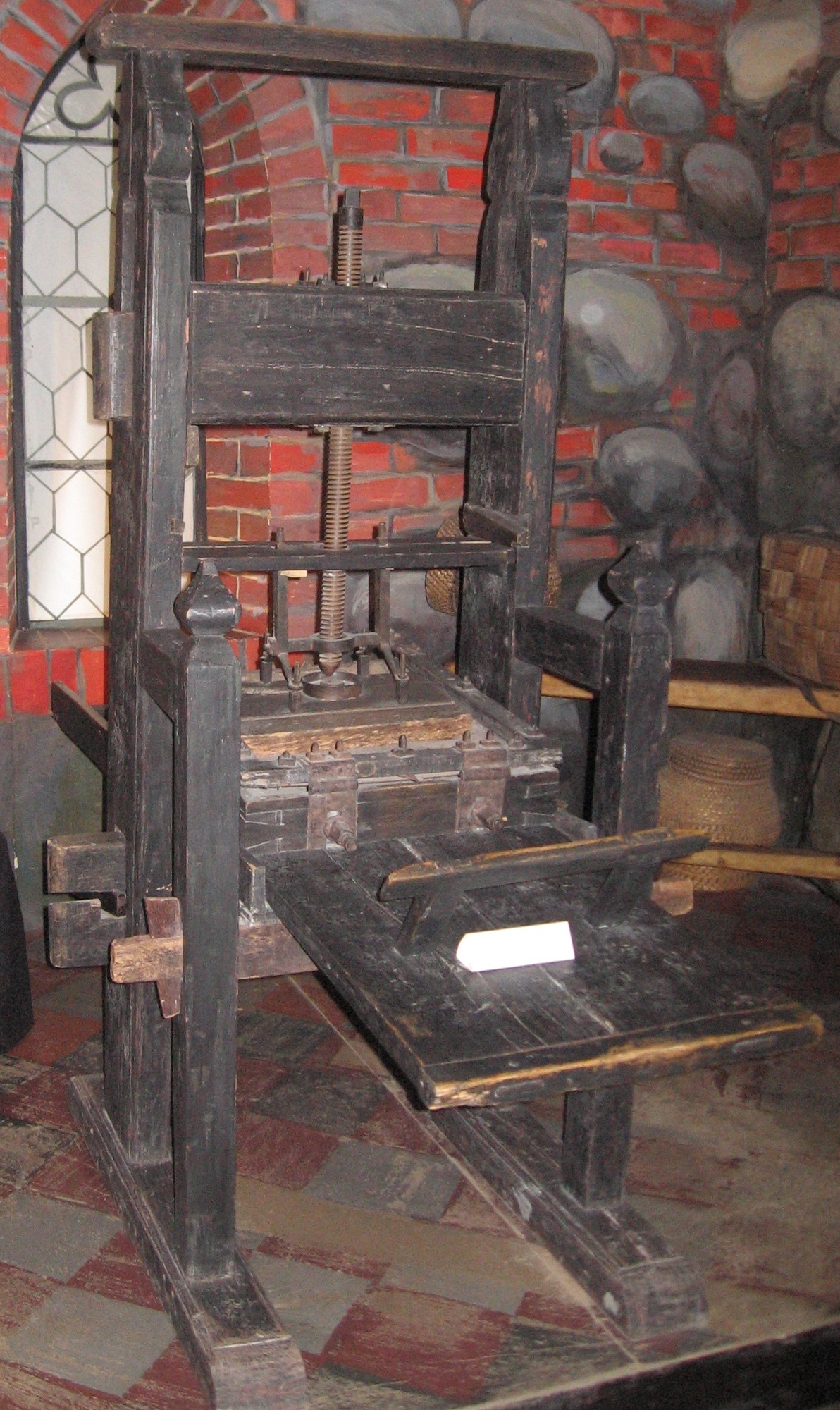
What Gutenberg synthesized in Europe during the 1450s was not the conceptual birth of mechanical reproduction, but a distinct typographic system. This assembly combined movable metal type cast from durable alloys, an oil-based ink capable of adhering smoothly to metallic surfaces, and an adapted wooden screw press derived from agricultural mechanisms. Recognizing this global timeline does not diminish Gutenberg’s mechanical achievements, but it firmly dispels the enduring Eurocentric myth of solitary genesis [s1]. Printing developed across divergent civilizational contexts, with European developments arriving long after the core premise of mechanical textual reproduction was established elsewhere.
From Strasbourg Mirrors to Secret Arts
Unraveling the genuine biography of Johannes Gutenberg requires separating documented archival evidence from centuries of romantic embellishment [s1]. Little is recorded about his early life in Mainz. Historians do not know his exact date of birth, though scholars estimate he was born around 1400 based on a surviving 1420 inheritance dispute document in which he was designated as legally of age [s1].
Archival records confirm that Gutenberg’s father was an established citizen of Mainz associated with the municipal mint, an environment that likely provided the young Gutenberg with foundational exposure to metallurgy, die-cutting, and precision metal casting [s1]. However, definitive records detailing his formal schooling or whether he attended a monastery school or university remain entirely absent [s1].
Documentary evidence places Gutenberg securely in the vibrant commercial hub of Strasbourg by 1434 [s1]. Legal records preserved from his years in Strasbourg portray a skilled artisan and goldsmith actively engaging with local merchants and craftsmen [s1]. By 1439, court records show that Gutenberg had organized a collaborative commercial enterprise to manufacture convex mirrors for Christian pilgrims journeying to Aachen [s1]. Pilgrims believed these mirrors could capture and retain the spiritual aura or visual reflections of holy relics.
When the Aachen pilgrimage was unexpectedly postponed from 1439 to 1440, an investor in the venture passed away, prompting his heirs to file a financial lawsuit against Gutenberg [s1]. Transcripts from this 1439 litigation contain intriguing, veiled references to secret crafts, including mechanical manufacturing processes described obliquely as 'impressing' [s1]. While some historians have hypothesized that these obscure terms hint at preliminary typographic printing trials, scholars caution that the documents may just as easily refer to mechanical techniques for stamping or assembling pilgrim mirror frames [s1].
The Mainz Workshop and the Helmasperger Instrument
The last documented evidence of Gutenberg in Strasbourg dates to 1444, and by October 1448 he appears back in his native city of Mainz [s1]. On October 17, 1448, Gutenberg secured a loan of 150 guilders from a relative named Arnold Gelthus to establish his workshop operations [s1]. Developing movable type was an extraordinarily capital-intensive endeavor, requiring the precision cutting of thousands of steel punches, the striking of brass matrices, the casting of uniform metal alloy types, and the procurement of substantial stores of paper and vellum.
To finance this industrial-scale project, Gutenberg entered into a partnership with Johannes Fust, a wealthy Mainz merchant and financier [s1]. Fust advanced Gutenberg 800 guilders on two separate occasions [s1]. Rather than an employer-employee relationship, the arrangement took the shape of an ambitious joint venture: Gutenberg directed daily technical operations and oversaw book manufacturing, while Fust supplied critical working capital, commercial oversight, and financial management [s1].
The primary documentary record detailing the inner workings and financial structure of Gutenberg’s workshop survives not from a celebratory memoir, but from bitter legal proceedings initiated by Fust [s1]. As the monumental production of the Latin Bible neared completion around 1455, Fust demanded the repayment of his substantial loans with accumulated interest [s1].
The resulting legal transcript, known today as the Helmasperger Instrument of 1455 and preserved at the Göttingen State and University Library, represents one of the most vital surviving documents in the history of technology [s1]. Gutenberg argued before the court that the second round of financing had been agreed upon as an active joint investment in the collective 'work of books,' with expenditures applied directly to staff wages, materials, and workshop maintenance [s1]. Although the surviving parchment does not record the final court-mandated settlement figure Gutenberg was ordered to pay, the dispute led to a formal dissolution of their partnership [s1].
Dispelling the Myth of Financial Ruin
The dissolution of the Gutenberg-Fust partnership gave rise to one of the most enduring fables in the history of science and technology: the tragic archetype of Gutenberg as a broken, impoverished genius who was swindled out of his life’s work and died in miserable destitution. In popular accounts, Fust is cast as a rapacious usurer who seized the print shop and left Gutenberg penniless on the streets of Mainz [s1].
Rigorous archival research into fifteenth-century civic records has thoroughly demolished this dramatic melodrama [s1]. Gutenberg was never reduced to poverty. Surviving municipal documents from Mainz demonstrate that Gutenberg maintained valuable urban property, continued regular repayments on separate personal loans without default, and served as a legal witness to property transactions—a civic role strictly denied under medieval German law to bankrupt individuals or those of ruined financial reputation [s1].
Following the 1455 split, Fust took legal possession of the original workshop equipment and partnered with Peter Schoeffer of Gernsheim, a highly accomplished former Parisian scribe and calligrapher who had worked alongside Gutenberg [s1]. The firm of Fust and Schoeffer went on to become one of Europe's premier commercial printing houses, printing successfully under their joint imprint [s1]. When Fust died around 1466, Schoeffer married Fust’s daughter and inherited the thriving commercial enterprise [s1].
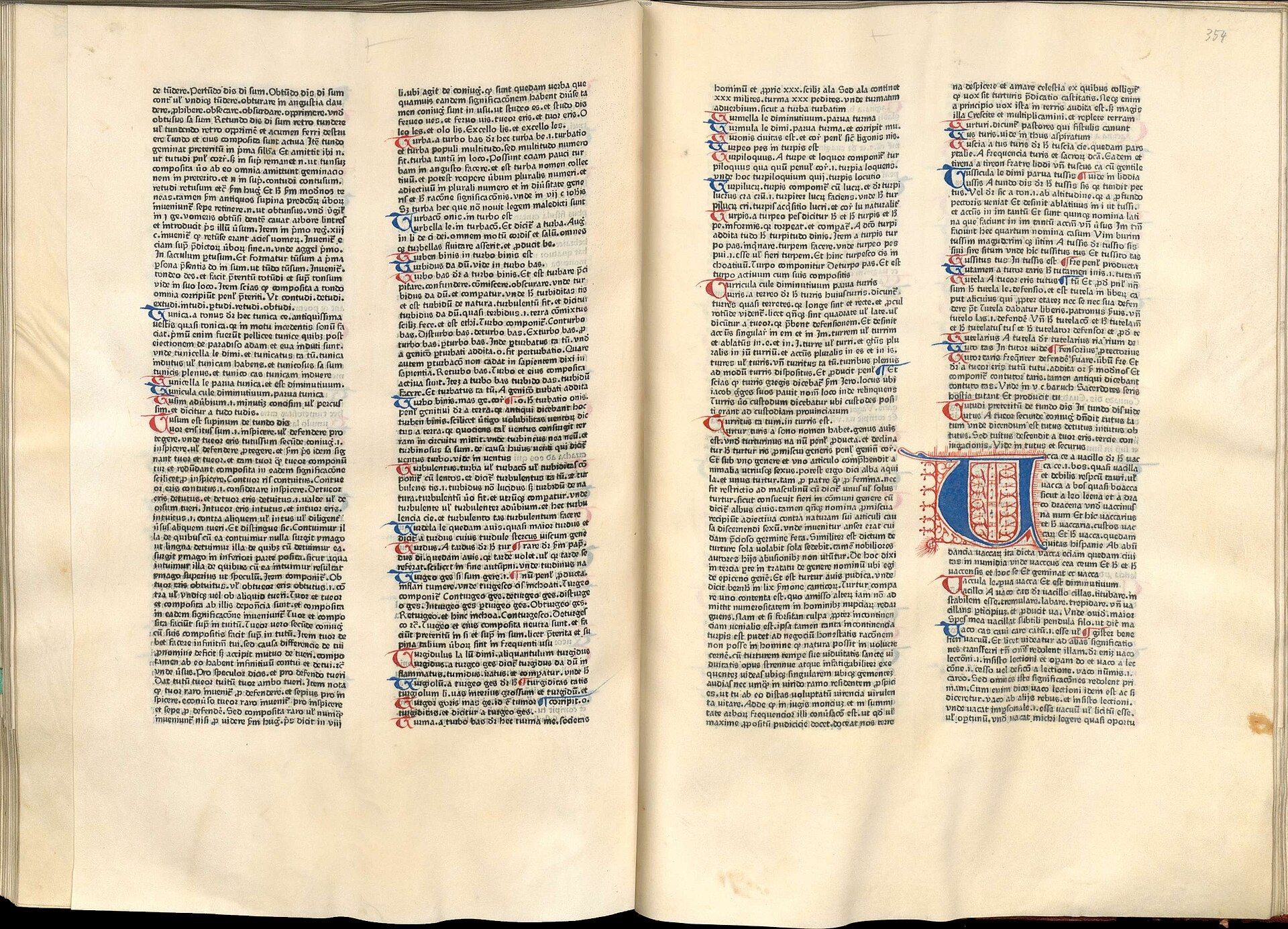
Yet Gutenberg’s typographic career was far from over. Free from his obligations to Fust, Gutenberg reestablished independent printing operations in Mainz [s1]. Scholars are confident that the monumental 1460 Latin dictionary and grammar known as the Catholicon could only have originated from Gutenberg's post-lawsuit workshop [s1]. While the colophon of the Catholicon famously omits the printer’s explicit name, its sophisticated small-scale typographic fount demonstrates both technical mastery and active commercial output half a decade after his supposed ruin [s1]. Far from an impoverished victim, Gutenberg remained an active and respected printer throughout his remaining years.
Sources & further reading
Updated 18/10/2026. Report a correction.Image credits
Source image · Gutenberg · Creator listed at source · Public domain · Original image and rights details ↗
Source image · Printing machine of Johanes Gutenbrg1 · Gruszecki · Public domain · Original image and rights details ↗
Source image · Witold Rolla-Piekarski - Spicuiri din trecutul tipografiei, Almanach Tipografic 5, 1902 · Witold Rola Piekarski · Public domain · Original image and rights details ↗
Source image · Catholicon 1460 Spread · Printer of the 'Catholicon' (maybe Johann Gutenberg) · Public domain · Original image and rights details ↗
Source image · Map of the printing history of Hungary · Károly Firtinger · Public domain · Original image and rights details ↗