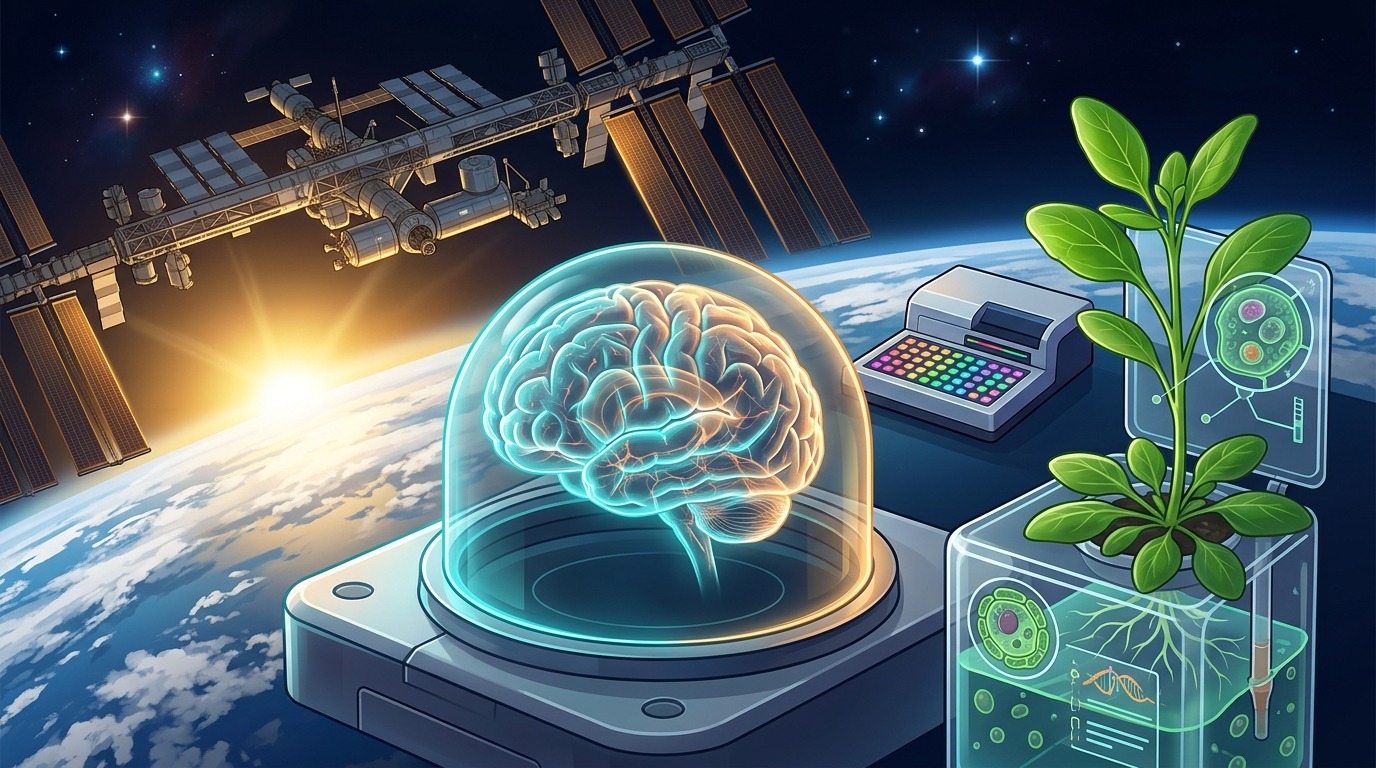
SpaceX's CRS-35 mission delivers advanced biological and physical research payloads to the International Space Station, deploying 3D human brain models, space crop pathology tests, on-orbit biomarker detection, and longitudinal antibiotic resistance monitoring.
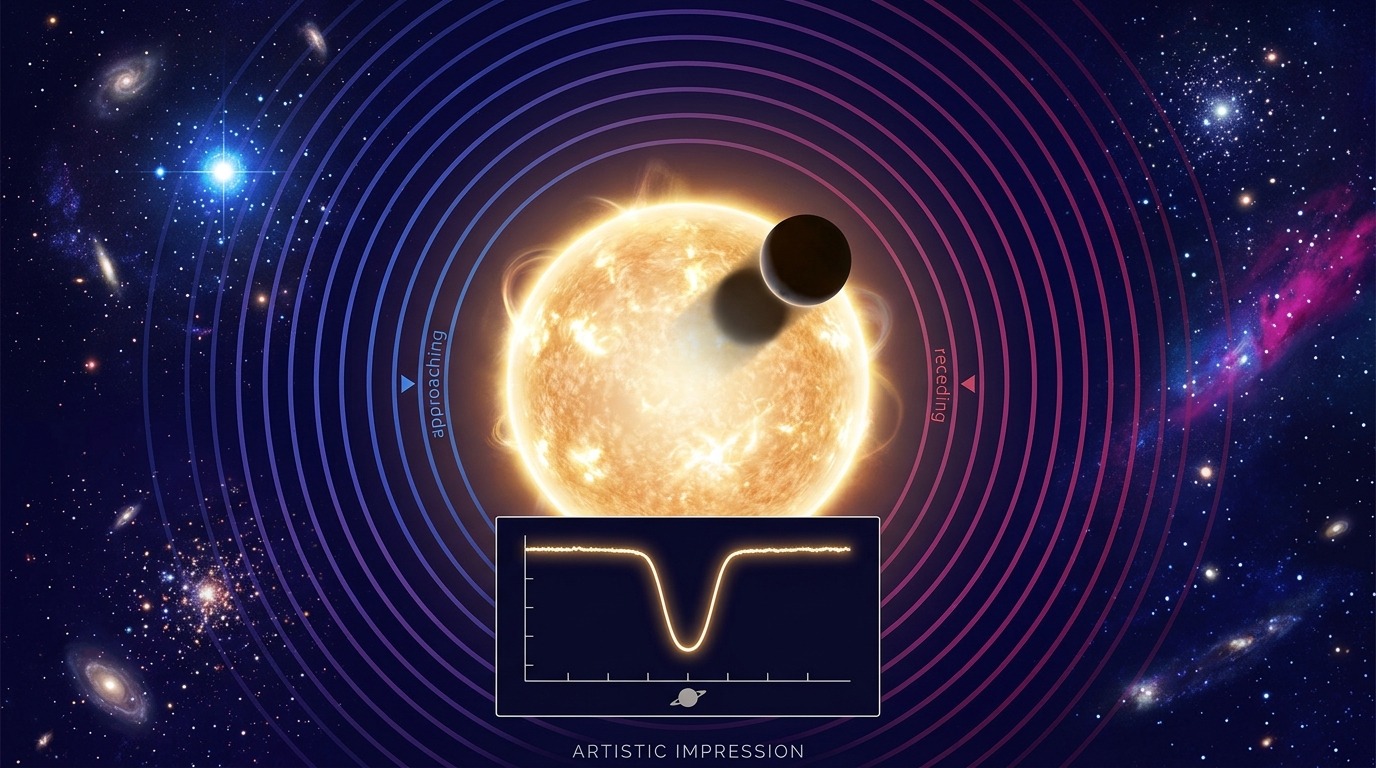
Astronomers locate exoplanets across the Milky Way using indirect detection techniques, including the radial velocity method, transit photometry, gravitational microlensing, and astrometry. These approaches track stellar behavior and enable atmospheric characterization.
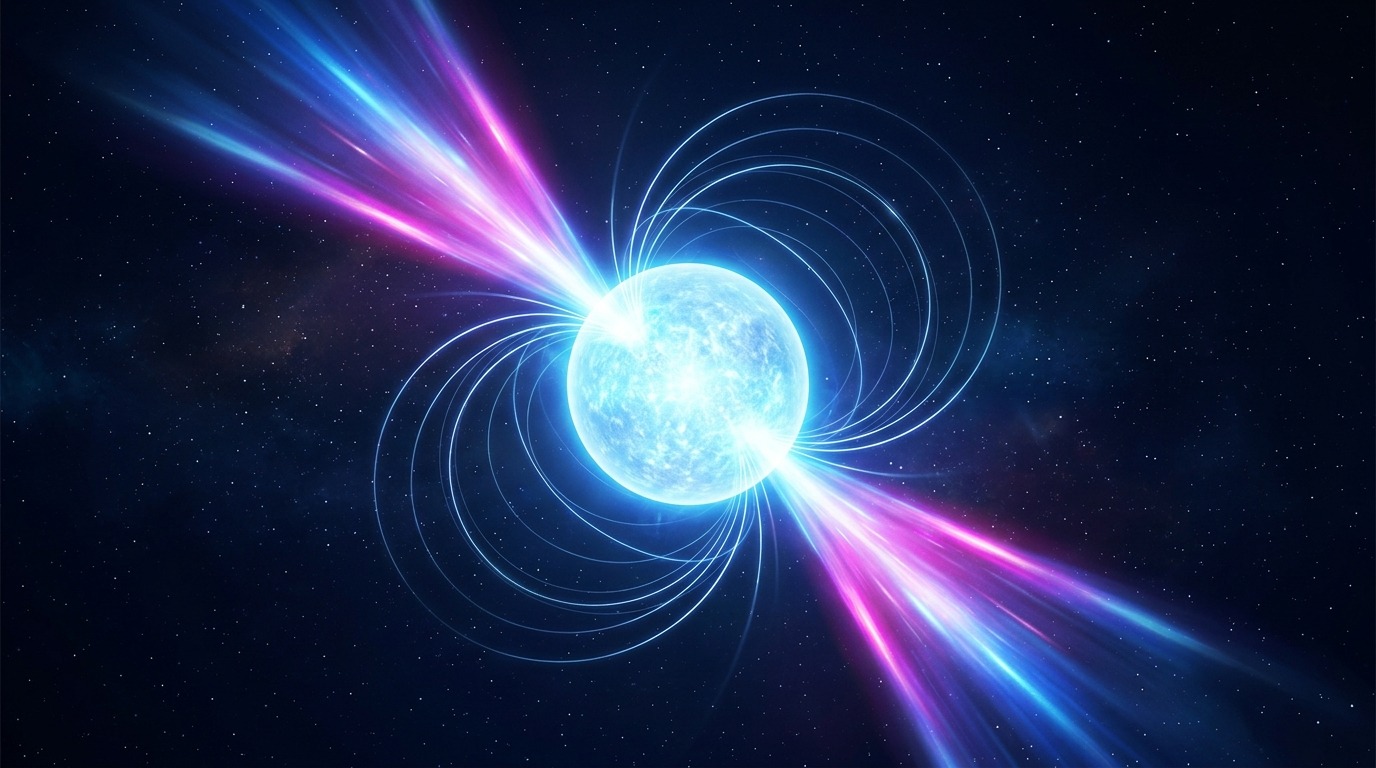
Pulsars are hyper-dense neutron stars born from supernova core collapses. Spinning up to hundreds of times per second and boasting magnetic fields trillions of times stronger than Earth's, these stellar remnants funnel charged particles into radiant beams that sweep across space like cosmic lighthouse beacons.
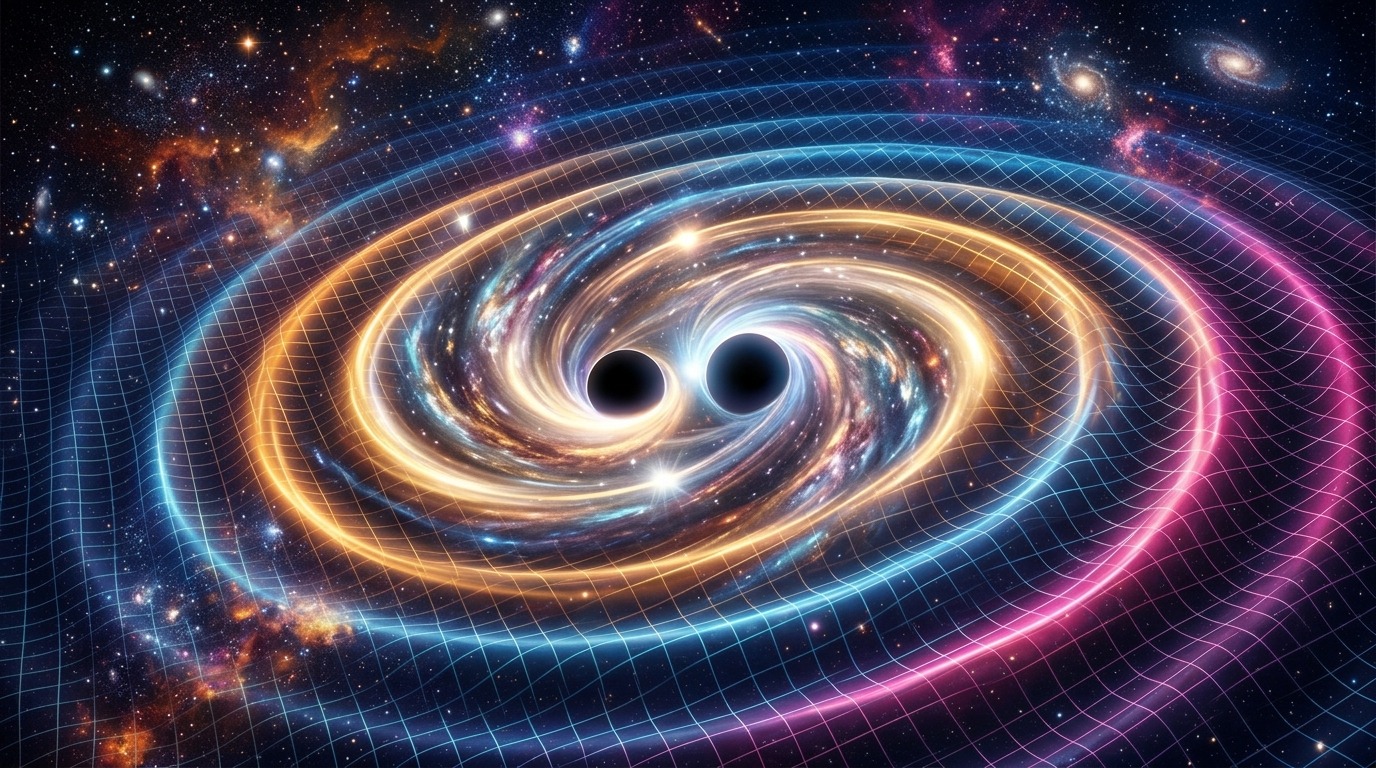
Gravitational waves are ripples in the fabric of spacetime produced by accelerating massive bodies like colliding black holes and neutron stars. This article explores how ground interferometers such as LIGO, pulsar timing arrays, and future space missions like LISA measure these minuscule cosmic distortions.
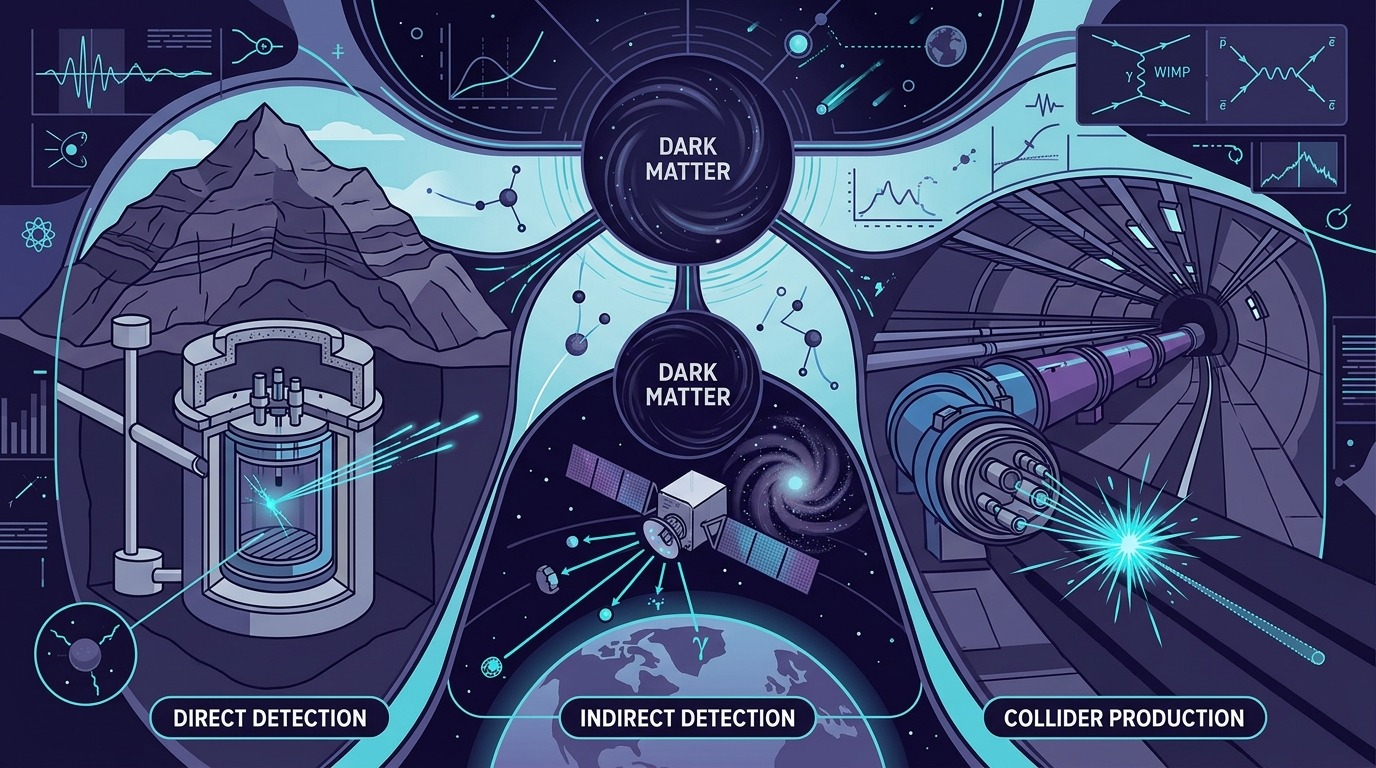
Physicists hunt for dark matter through three complementary methods: underground direct detection of rare nuclear recoils, space-based searches for annihilation products like gamma rays, and collider experiments tracking missing momentum. Leading candidates include WIMPs and axions.
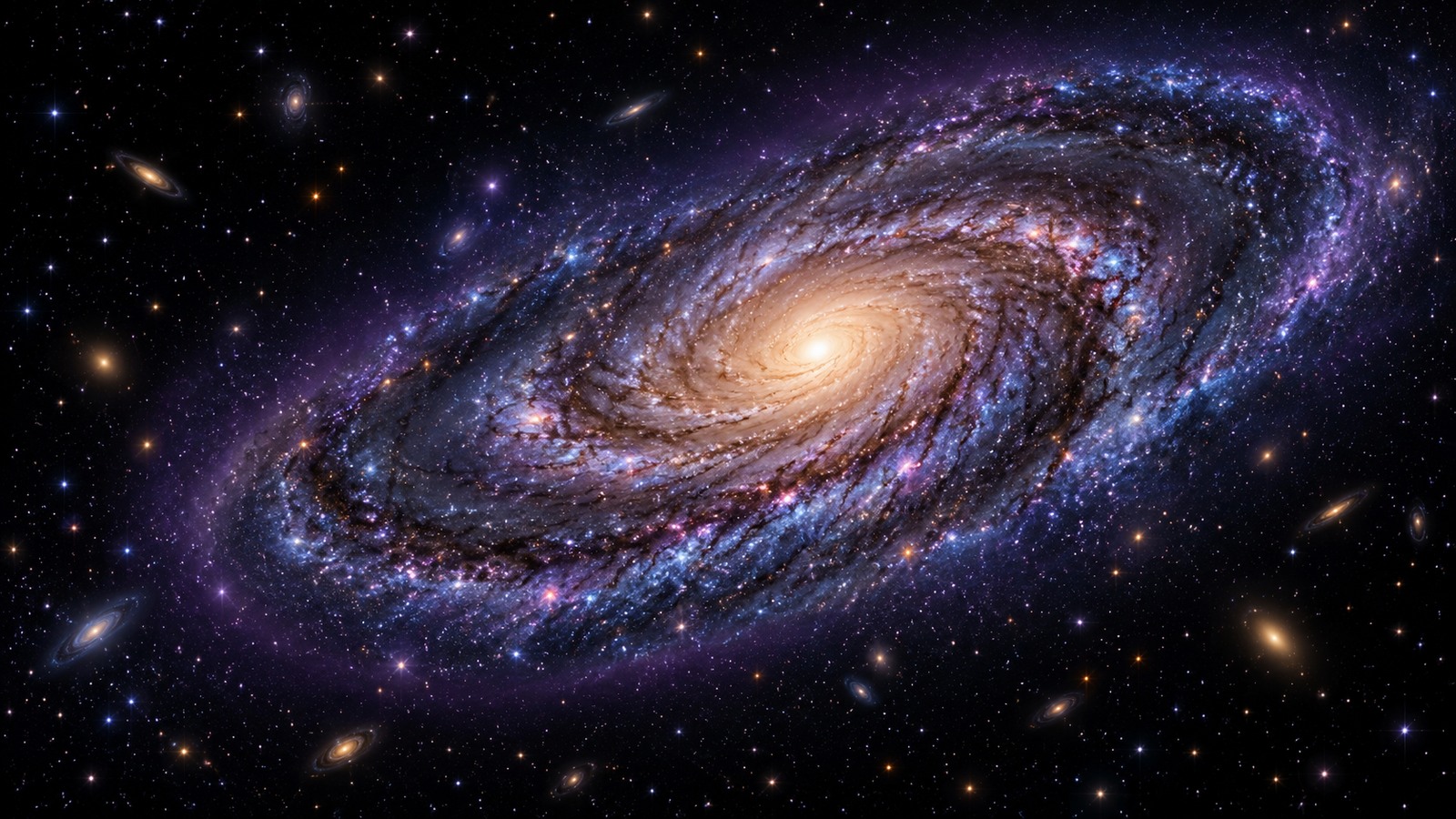
Dark matter is supported by gravitational evidence, but no particular candidate has been confirmed. Explore what observations reveal, how experiments search, and where uncertainty remains.