A Strategic Pivot in Earth Orbit
In the ongoing effort to return humans to deep space, orbital mechanics and operational prudence frequently reshape the grandest exploration architectures. NASA has formally announced an upcoming media briefing scheduled for October 23, 2026, at the Kennedy Space Center in Florida, where agency leadership will detail a comprehensive strategic update on the Artemis campaign [s1]. The briefing is slated to clarify the agency's revised trajectory toward placing American astronauts back on the lunar surface by 2028, outlining how interim flight tests will prepare crews and hardware for the extreme rigors of deep-space exploration [s1].
The briefing brings together key executive leadership, including NASA Administrator Jared Isaacman, NASA Associate Administrator Amit Kshatriya, and Artemis Program Manager Jeremy Parsons [s1]. Their joint presentation marks a defining operational checkpoint for the multi-decade exploration program. Following more than half a century after the conclusion of the Apollo era, the contemporary endeavor demands far more sophisticated operational capabilities than short sprint missions. Rather than staging a direct landing attempt without extensive crewed orbital checkout of nascent systems, the agency is prioritizing a deliberate, modular development cadence. The impending announcement signals NASA's commitment to refining its flight profiles, ensuring flight hardware undergoes exhaustive validation before venturing into the deep gravitational well of the Moon [s1].
Lessons and Perspectives from the Circum-Lunar Flight of Artemis II
The upcoming timeline adjustments come in the direct wake of monumental milestones achieved by the Artemis campaign. In April 2026, the crewed Artemis II mission executed a historic circumlunar trajectory, sending a human crew around the far side of the Moon for the first time in over fifty years. During that high-profile journey, as the spacecraft swept around the lunar far side and entered a planned radio blackout, the crew recorded striking imagery of a crescent Earth descending against the lunar limb on April 6, 2026 [s1].
In celestial mechanics and observational astronomy, the term "lunar limb" refers specifically to the visible edge or boundary of the Moon's illuminated disk as observed against the backdrop of space [s1]. Artemis II’s observation of the blue crescent of Earth slipping beneath that rugged horizon underscored both the profound technical success of the spacecraft’s life support and propulsion systems, as well as the unforgiving operational realities of deep-space operations. When a crewed capsule traverses the far side of the Moon, the Moon's vast bulk blocks all direct electromagnetic transmissions to Earth. Operating safely during these planned communication dropouts demonstrated baseline spacecraft resilience, proving that core command architectures can reliably safeguard crew members hundreds of thousands of kilometers from terrestrial support [s1].

Restructuring Artemis III: Orbital Proving Grounds
The most consequential tactical adjustment to be detailed at the Kennedy Space Center briefing concerns the flight profile of Artemis III. Originally conceived in early programmatic planning as the immediate surface landing attempt, the mission has now been structured to send four astronauts into low Earth orbit next year [s1]. This crewed mission will serve as an essential proving ground to rigorously test and evaluate the critical systems and rendezvous procedures required for subsequent lunar landings [s1].
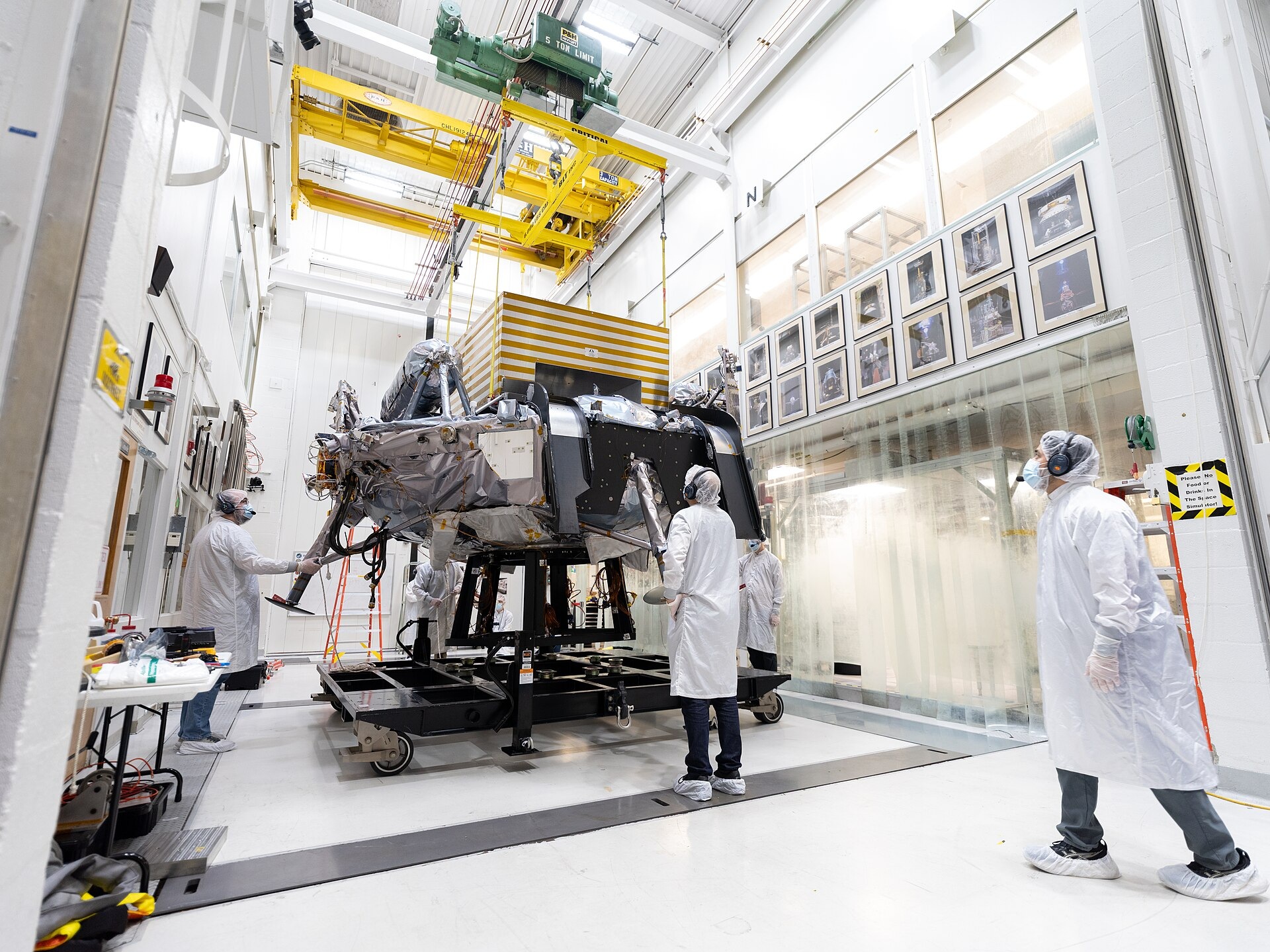
Transitioning to a low Earth orbit test flight represents a classic aerospace risk-mitigation strategy. Landing humans on the Moon requires a complex choreography of discrete technologies: heavy-lift launch vehicles, orbital propellant transfer, dedicated lunar landers, autonomous docking protocols, and surface-ready extravehicular activity suits. Conducting these evaluations in low Earth orbit provides an invaluable margin of safety. While in low Earth orbit, astronauts remain mere hours away from an emergency atmospheric reentry should life support or thermal control loops encounter anomalous behavior. By isolating and validating the novel human landing systems and deep-space life-support interfaces in orbital proximity to Earth, engineers can uncover operational vulnerabilities and refine guidance software before exposing astronauts to the non-negotiable risks of lunar orbital insertion and descent [s1].
The Lunar South Pole and the Bridge to Mars
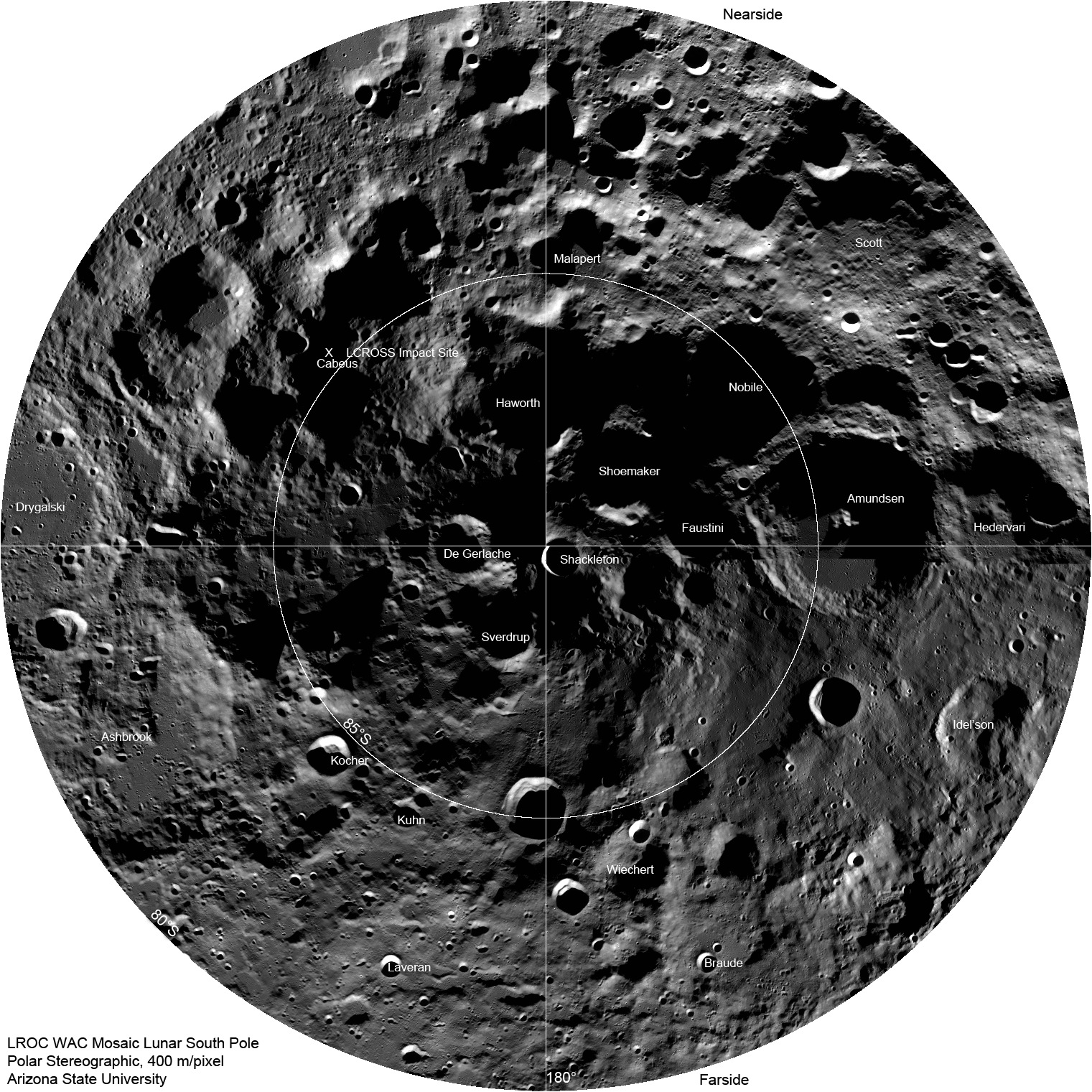
While Artemis III validates crucial orbital systems in near-Earth space, the long-term objective of the program remains firmly fixed on the Moon’s rugged South Pole [s1]. Unlike the equatorial plains explored by the Apollo missions between 1969 and 1972, the polar regions present an entirely different operational environment. Topographical extremes at the lunar South Pole create permanently shadowed craters where temperatures hover near absolute zero, existing alongside elevated peaks that enjoy near-continuous solar illumination.
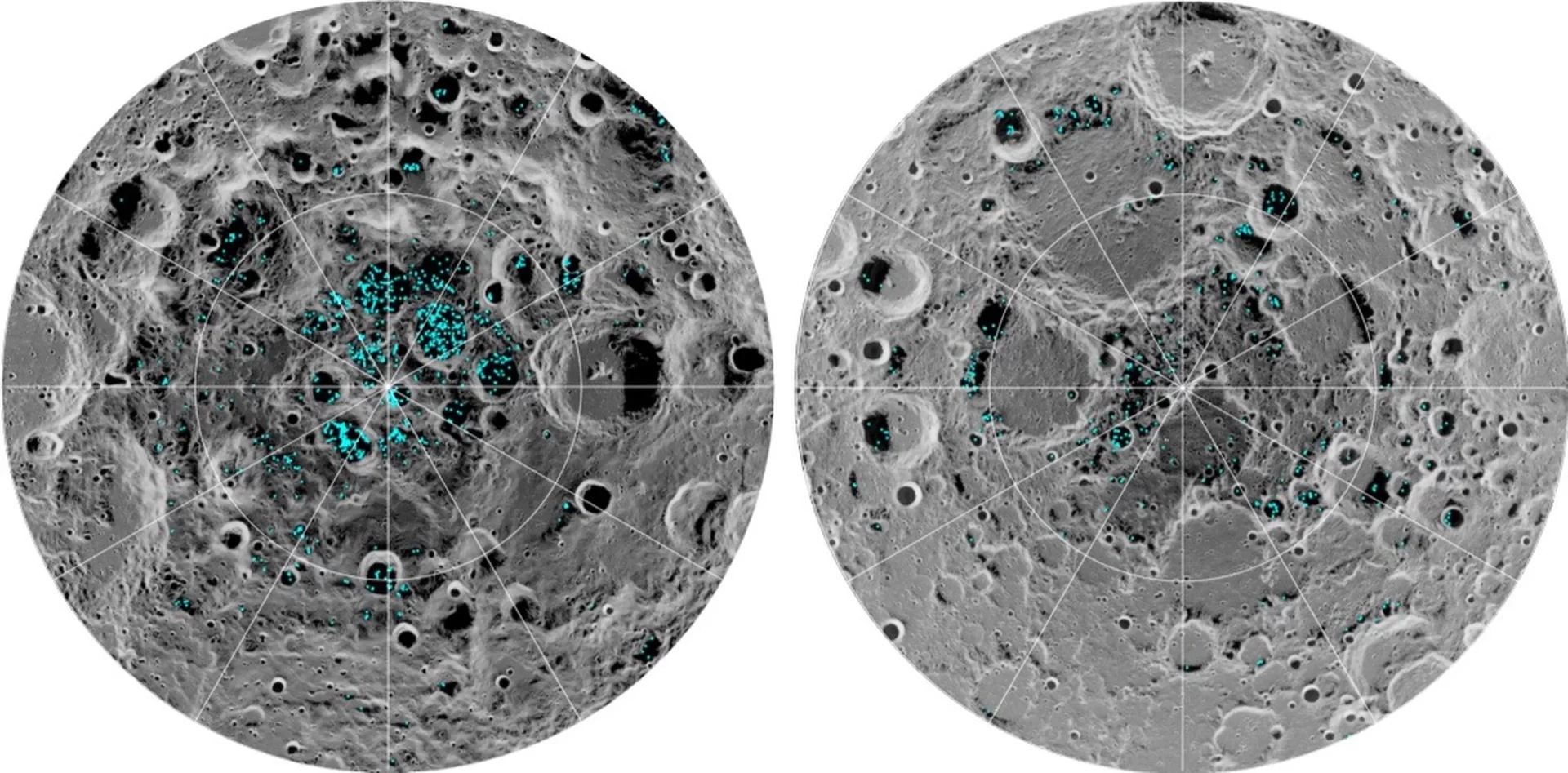
NASA's long-term framework envisions sending astronauts on increasingly challenging surface expeditions across these uncharted polar terrains to explore more of the lunar landscape than ever before [s1]. Scientists are particularly focused on the volatile compounds and water ice deposits trapped within permanently shadowed cold traps, which could serve as vital resources for in-situ resource utilization. Extracting water ice for drinking supplies, breathable oxygen, and liquid hydrogen rocket propellant could transform lunar outposts into sustainable bases. Ultimately, establishing an enduring human presence at the lunar South Pole is explicitly structured as the operational proving ground for the eventual human exploration of Mars, allowing mission planners to test closed-loop life support and long-duration habitats under extraterrestrial conditions [s1].
Defining the Road to 2028: Open Questions and Mission Architecture
NASA’s target to return American astronauts to the lunar surface by 2028 establishes an aggressive operational timeline [s1]. Achieving this milestone within the target window will require rapid resolution of several open technical questions that leadership will address in their October 23 briefing [s1]. Among the most pressing matters is the exact hardware configuration and docking interfaces scheduled to fly aboard the restructured Artemis III low Earth orbit mission [s1]. Mission planners must clearly define which elements of the human landing system, commercial docking hardware, and surface spacesuits will be integrated into next year’s orbital flight [s1].
Furthermore, significant uncertainties remain regarding the subsequent sequence of flight milestones and launch cadence between the Artemis III orbital tests and the targeted 2028 landing attempt. Ground teams must manage complex supply chains, propellant depot demonstrations, and uncrewed lander descent trials. By holding the upcoming briefing at Kennedy Space Center, NASA leadership aims to clarify these critical operational dependencies [s1]. As the Artemis campaign transitions from initial circumlunar tests to orbital systems qualification and polar surface landings, the aerospace community awaits the definitive technical roadmap that will steer human exploration back to the Moon [s1].
Sources & further reading
[s1] NASA to Discuss Artemis Acceleration, Status of Upcoming Moon Missions - NASA ↗www.nasa.gov · 2026-10-14
Updated 19/10/2026. Report a correction.Image credits
Source image · Sard oval MET DP142611 · Creator listed at source · CC0 · Original image and rights details ↗
Source image · The Lunar South Pole (LROC237 - SP Mosaic 400m label) · NASA/GSFC/Arizona State University · Public domain · Original image and rights details ↗
Source image · The Lunar South Pole (LROC237 - SP Mosaic 400m grid1) · NASA/GSFC/Arizona State University · Public domain · Original image and rights details ↗
Source image · The image shows the distribution of surface ice at the Moon's south pole (left) and north pole (right) · NASA · Public domain · Original image and rights details ↗
Source image · Maróti - Artemis · Design by Géza Maróti (1875-1941), Budapest · Public domain · Original image and rights details ↗