Opening the Strategic Dialogue at CERN
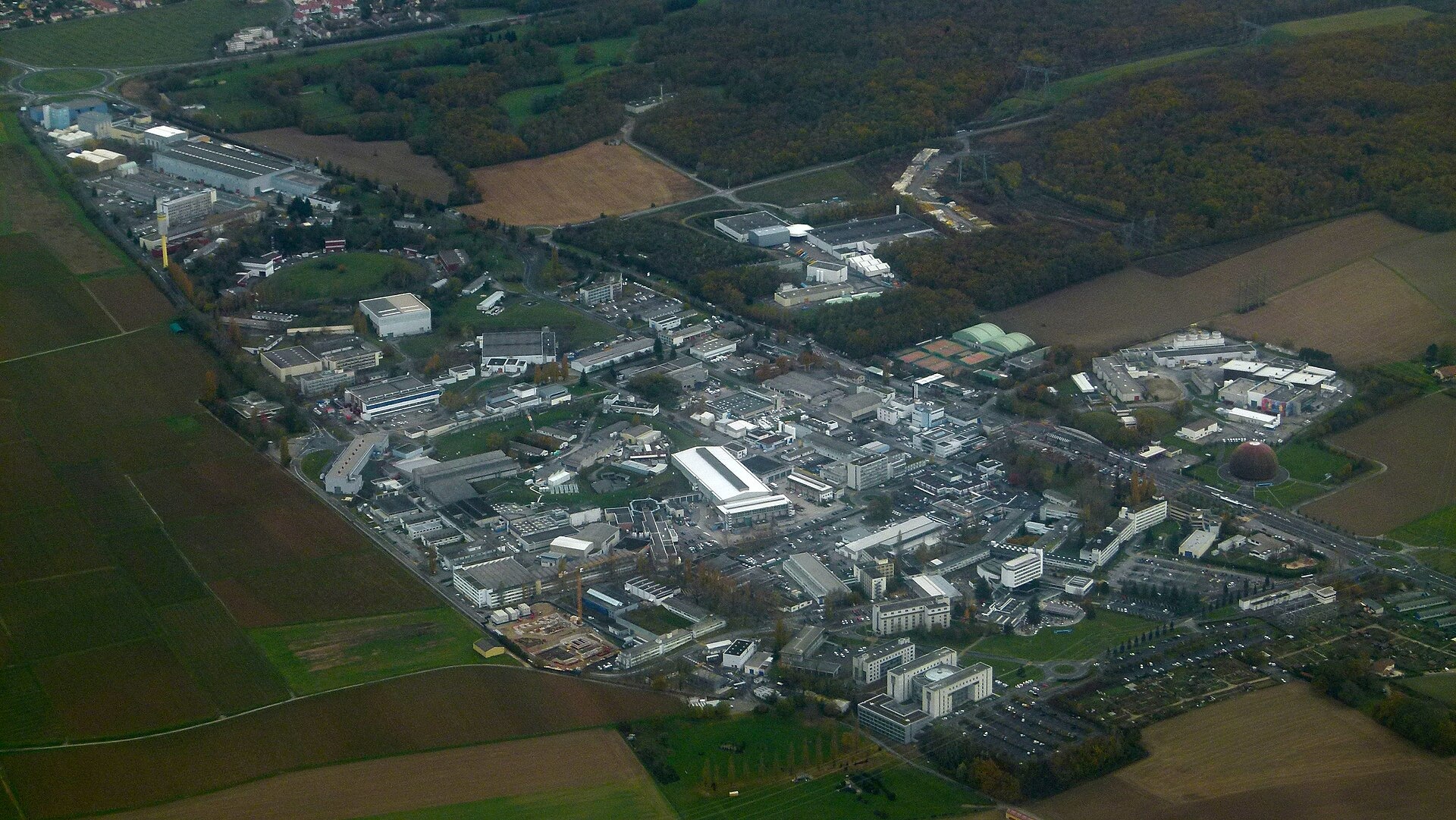
At the boundary between Lake Geneva and the Jura mountains, the world's premier particle physics laboratory has opened its doors to a critical dialogue about what comes next. CERN is hosting a major exhibition titled "Why? It matters. Matière à questions" at the Globe of Science and Innovation, running from 8 October 2026 to 28 February 2027 [s1]. Open from Tuesday to Sunday, the installation invites both the global scientific community and the general public to explore the overarching questions, technological challenges, and strategic choices that will define high-energy physics in the coming decades [s1].
For more than seven decades, experimental particle physics has relied on a continuum of visionary planning and long-term investment. Flagship research centers do not emerge overnight; instruments such as the Large Hadron Collider (LHC) required decades of conceptual study, technological maturation, and multinational governance before circulating their first particle beams. As existing instruments gradually approach their ultimate operational horizons and data collection milestones, the physics community faces a pivotal transition: identifying the scientific priorities and experimental infrastructure that will succeed them [s1].
Immersive Encounters: Inside the Globe of Science and Innovation
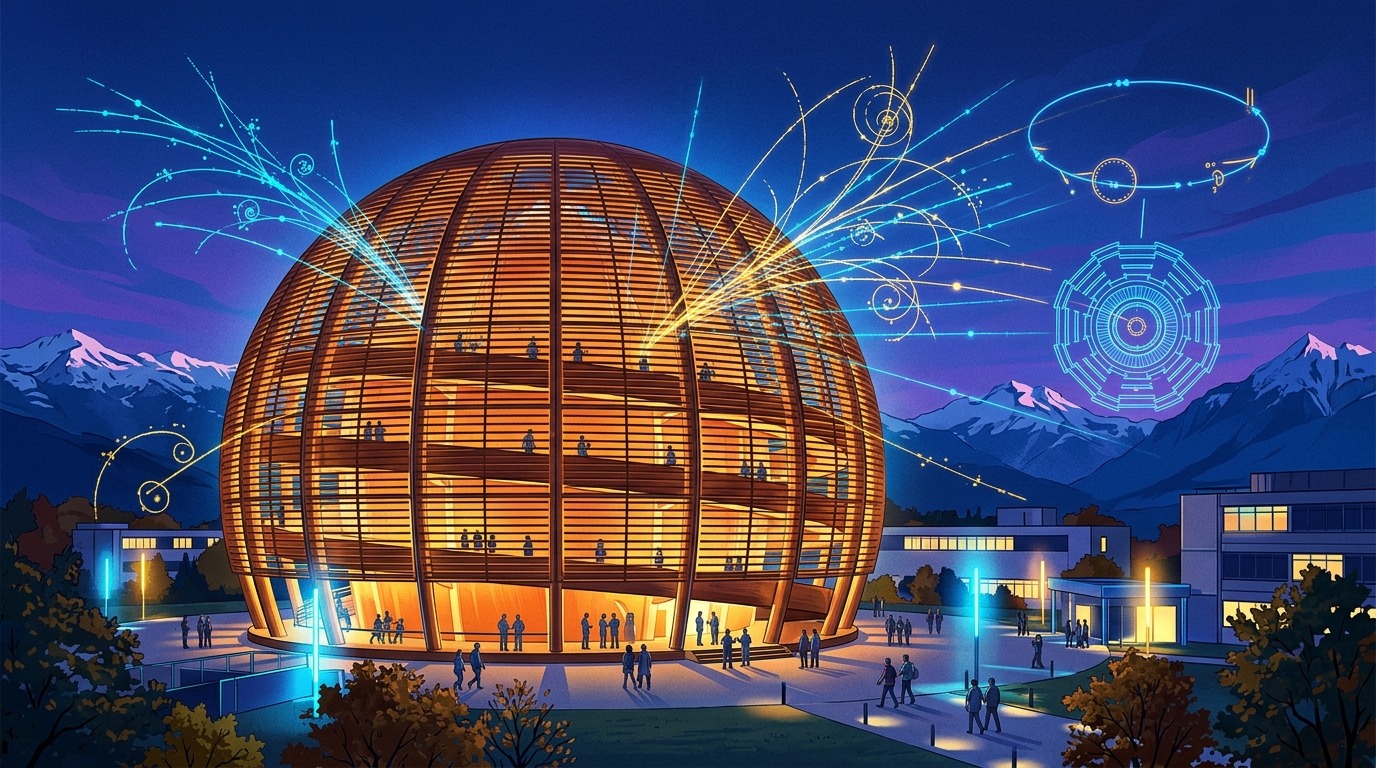
Housed on the ground floor of CERN's landmark wooden sphere, the exhibition provides an open, accessible environment designed to demystify both the science of the subatomic realm and the complex apparatus required to study it [s1]. Visitors navigate a curated pathway featuring physical objects, hands-on interactive exhibits, rich imagery, and immersive multimedia installations [s1].
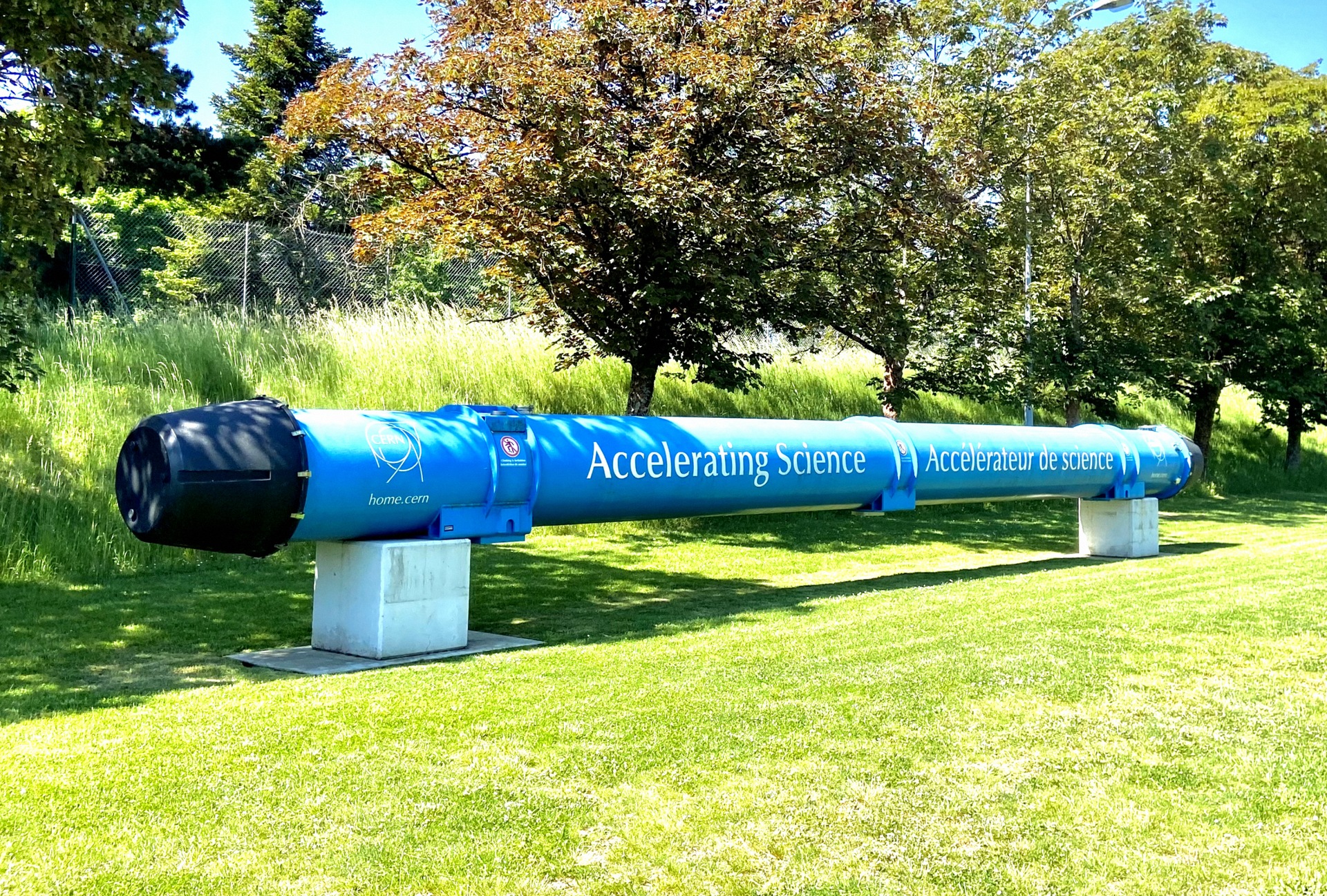
These experiential exhibits do not merely showcase historic discoveries; they present the unresolved inquiries driving ongoing research [s1]. Attendees encounter demonstrations illustrating how particle detectors record high-energy collision events, how superconducting magnets steer relativistic beams, and how computing networks process petabytes of experimental data. By translating abstract theoretical puzzles into tangible engineering artifacts, the exhibition bridges the conceptual gap between fundamental questions about the cosmos and the practical machinery required to answer them [s1].
Unsolved Mysteries Driving Next-Generation Colliders
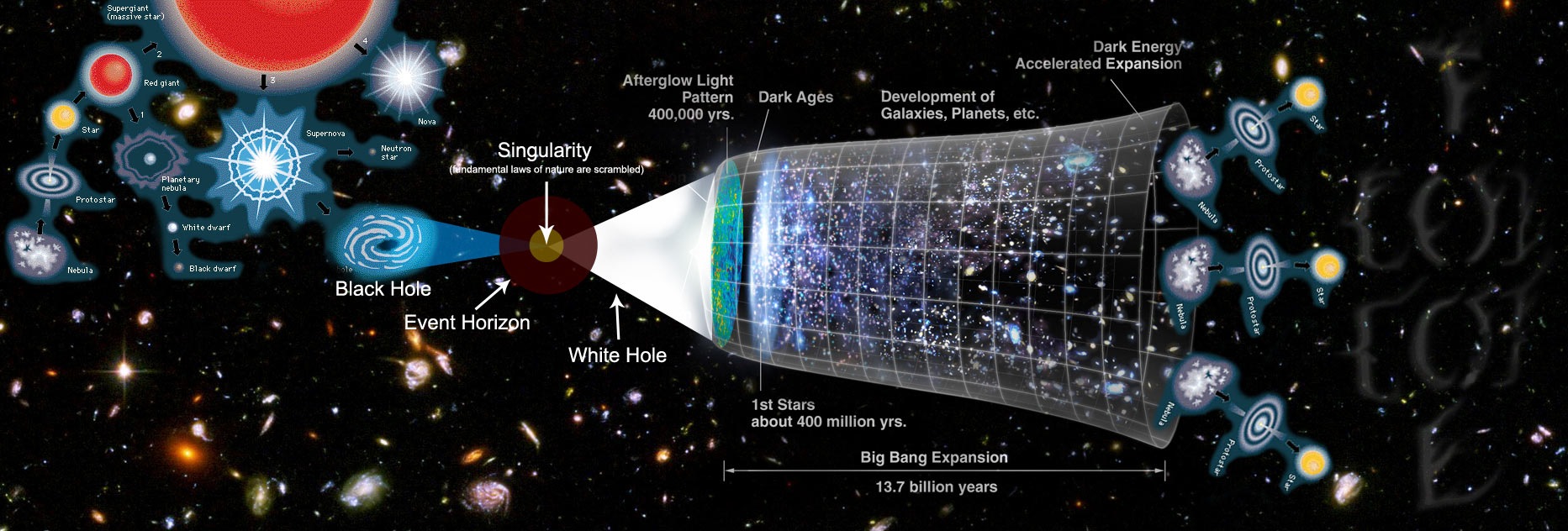
At the heart of the showcase lies a candid assessment of the Standard Model of particle physics. While the confirmation of the Higgs boson completed the predicted roster of fundamental particles, fundamental questions remain unanswered. The Standard Model offers no complete account of dark matter, dark energy, or the profound asymmetry between matter and antimatter that permitted our Universe to exist.
To probe these cosmic mysteries, physicists must determine what tools will allow them to reach higher precision and unprecedented energy frontiers [s1]. The exhibition details how proposed next-generation instruments, including studies for the Future Circular Collider (FCC), are designed to investigate physics beyond the Standard Model [s1]. Whether through higher-luminosity interactions or significantly higher collision energies, future accelerators aim to uncover potential new particles, probe the fine structure of the Higgs mechanism, and test the limits of established theoretical paradigms [s1].
The Architecture of Megascience Decision-Making
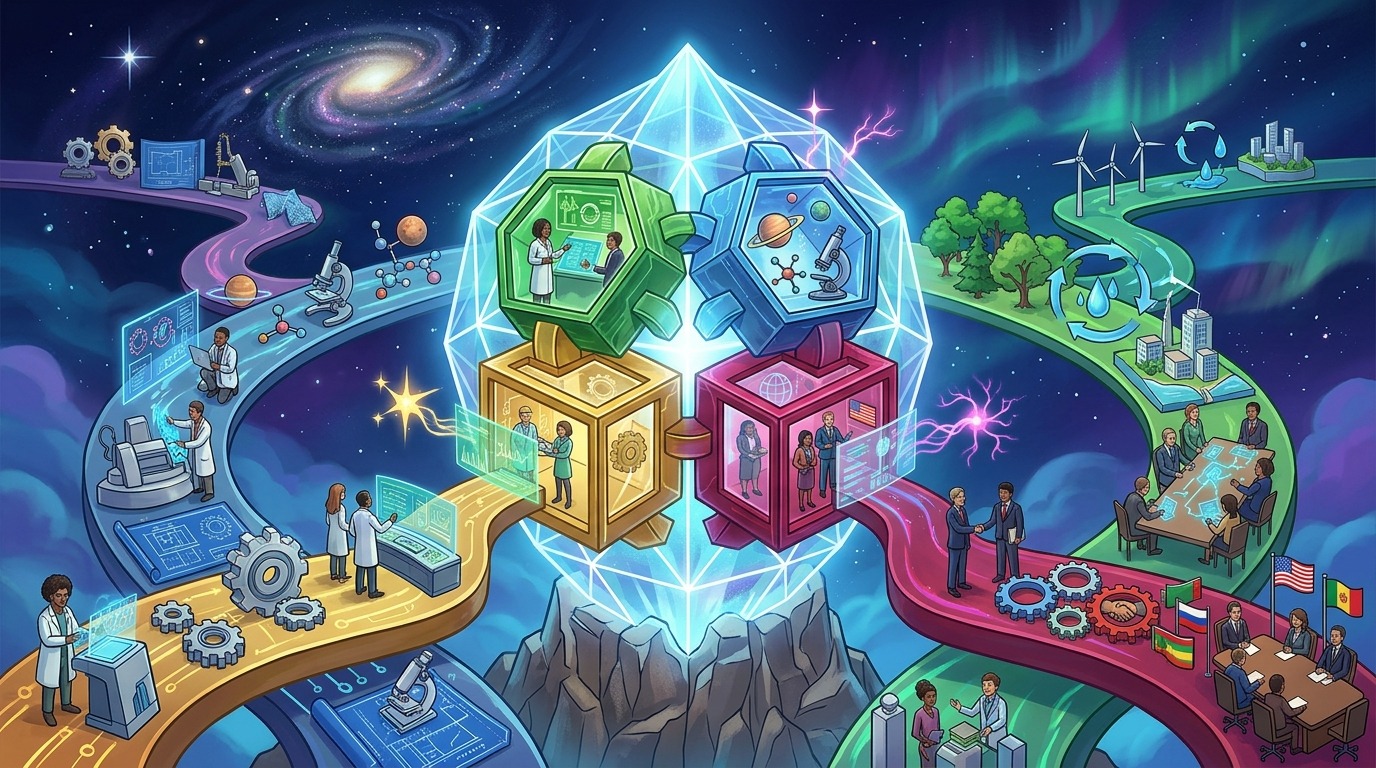
Designing and financing megascience projects requires far more than theoretical motivation. One of the core dimensions highlighted in "Why? It matters. Matière à questions" is the rigorous, multi-tiered consensus process that governs international particle physics [s1]. Deciding upon major research infrastructure requires an ongoing partnership among experimentalists, theoreticians, civil and mechanical engineers, policymakers, Member States, and international research organizations [s1].
Because next-generation facilities involve multi-billion-euro capital commitments and spans of several decades, approval cannot be dictated by scientific curiosity alone. It necessitates detailed feasibility analyses covering civil engineering feasibility, technological readiness, procurement pipelines, and long-term socio-economic contributions [s1]. By laying bare this collaborative roadmap, the exhibition offers rare transparency into how multinational science reconciles diverse national priorities, scientific competition, and economic stewardship to reach a shared global consensus [s1].
Sustainability, Technology Transfer, and the Decades Ahead
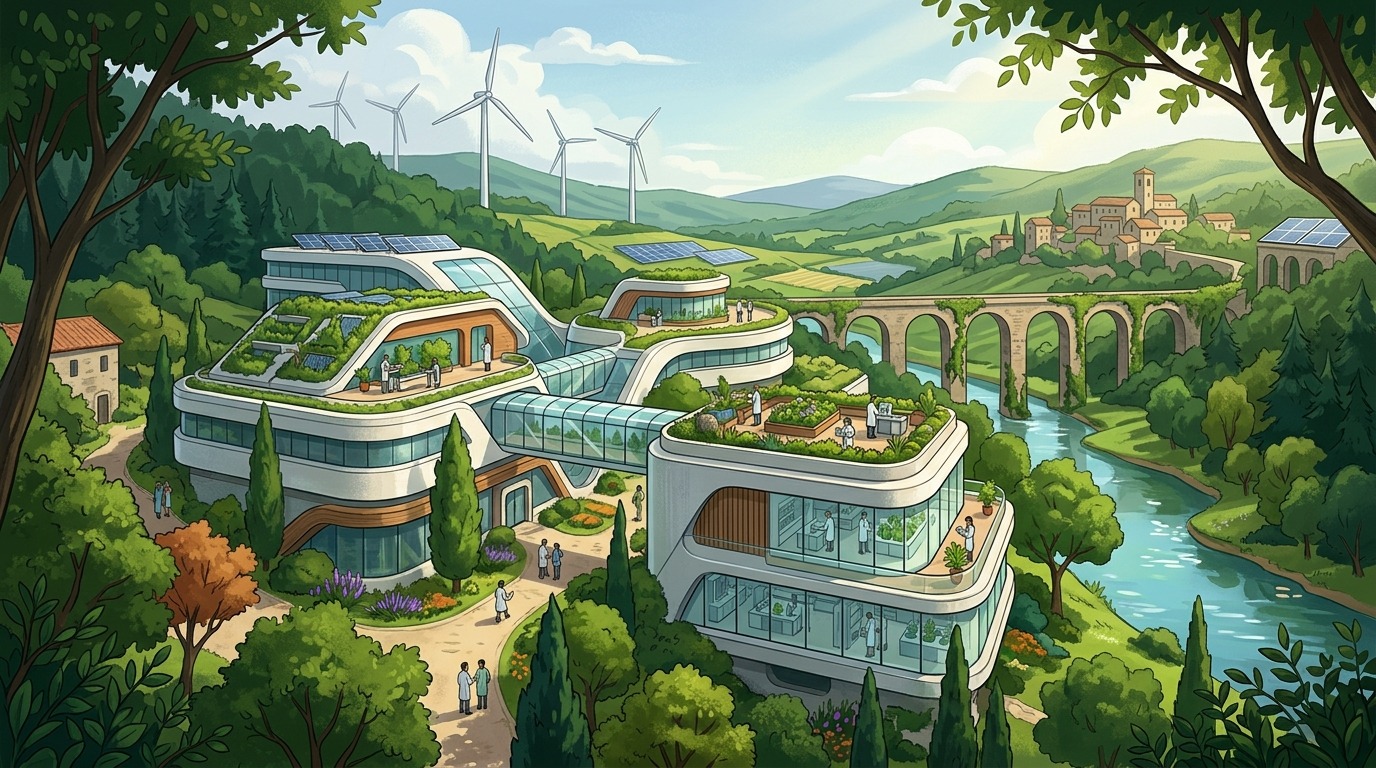
A sustainable future for particle physics also demands that environmental impact, resource utilization, and regional coexistence are incorporated from the earliest blueprint stage. The CERN exhibition addresses these realities directly, showcasing how potential future accelerators must innovate in energy efficiency, waste-heat recovery, and responsible civil construction [s1].
High-energy physics has historically acted as an incubator for broader technological breakthroughs, from the invention of the World Wide Web to advances in medical imaging and cryogenics. As "Why? It matters. Matière à questions" illustrates, the quest to build the next particle accelerator continues this tradition by spurring advancements in materials science, power distribution, and green computing [s1]. By welcoming the public into the Globe of Science and Innovation to reflect on these intertwined technical, environmental, and societal factors, CERN affirms that shaping the future of physics is not just an internal scientific exercise, but a shared endeavor for humanity [s1].
Sources & further reading
[s1] Exhibition | Imagining the future of physics – Home | CERN ↗home.cern · 2026-10-14
Updated 20/10/2026. Report a correction.Image credits
Artistic impression · COSMORA
Source image · CERN-aerial 1 · Brücke-Osteuropa · CC0 · Original image and rights details ↗
Source image · Large Hydron Collider Segment photographed by Robbie Conceptuel · Conceptuel · CC0 · Original image and rights details ↗
Gemini-generated conceptual illustration · COSMORA
AI-assisted artistic illustration · COSMORA