A Connection Unlike Anything in Daily Life
Have you ever wondered what happens when two objects become so profoundly connected that one cannot be understood without the other? In our everyday world, if you roll a billiard ball across a table in London and a friend rolls another in Tokyo, your result has no direct bearing on theirs. Each ball rolls, collides, and stops according to its own local conditions.
Yet in the subatomic world, nature follows an entirely different playbook. Quantum entanglement describes a fundamental state of affairs where two or more particles become inextricably tied together, sharing a single collective quantum reality [s3]. When two particles are entangled, measuring the physical property of one reveals the corresponding property of the other, no matter how much distance separates them [s3]. For decades, this counterintuitive behavior puzzled physicists, prompting deep questions about whether our universe is truly governed by local physical causes. Today, what once sounded like science fiction is one of the most rigorously tested principles in modern physics [s3].
From Bell's Theorem to the Nobel Prize
The conceptual roots of entanglement trace back to the early days of quantum theory, when pioneers realized that the mathematics of quantum mechanics implied an almost unbelievable interconnectedness. For decades, researchers debated whether the apparent connection between separated particles was real, or whether particles carried predetermined, hidden instructions that science simply had not yet discovered.
In 1964, CERN theorist John Stewart Bell devised a mathematical theorem demonstrating that quantum mechanics predicted correlations stronger than any local theory based on hidden variables could ever produce [s3]. Bell transformed a philosophical argument into an experimental challenge. Decades of refined laboratory tests followed. In 2022, the Nobel Prize in Physics was awarded to Alain Aspect, John F. Clauser, and Anton Zeilinger for their groundbreaking experiments with entangled photons, which confirmed Bell's predictions and laid the foundation for modern quantum information science [s3]. These optical demonstrations typically worked with low-energy particles over tabletop distances or across terrestrial free-space links. Yet fundamental questions remained: would quantum entanglement continue to hold under the most violent, high-energy conditions the universe can muster [s3]?
Entering the Realm of the Large Hadron Collider
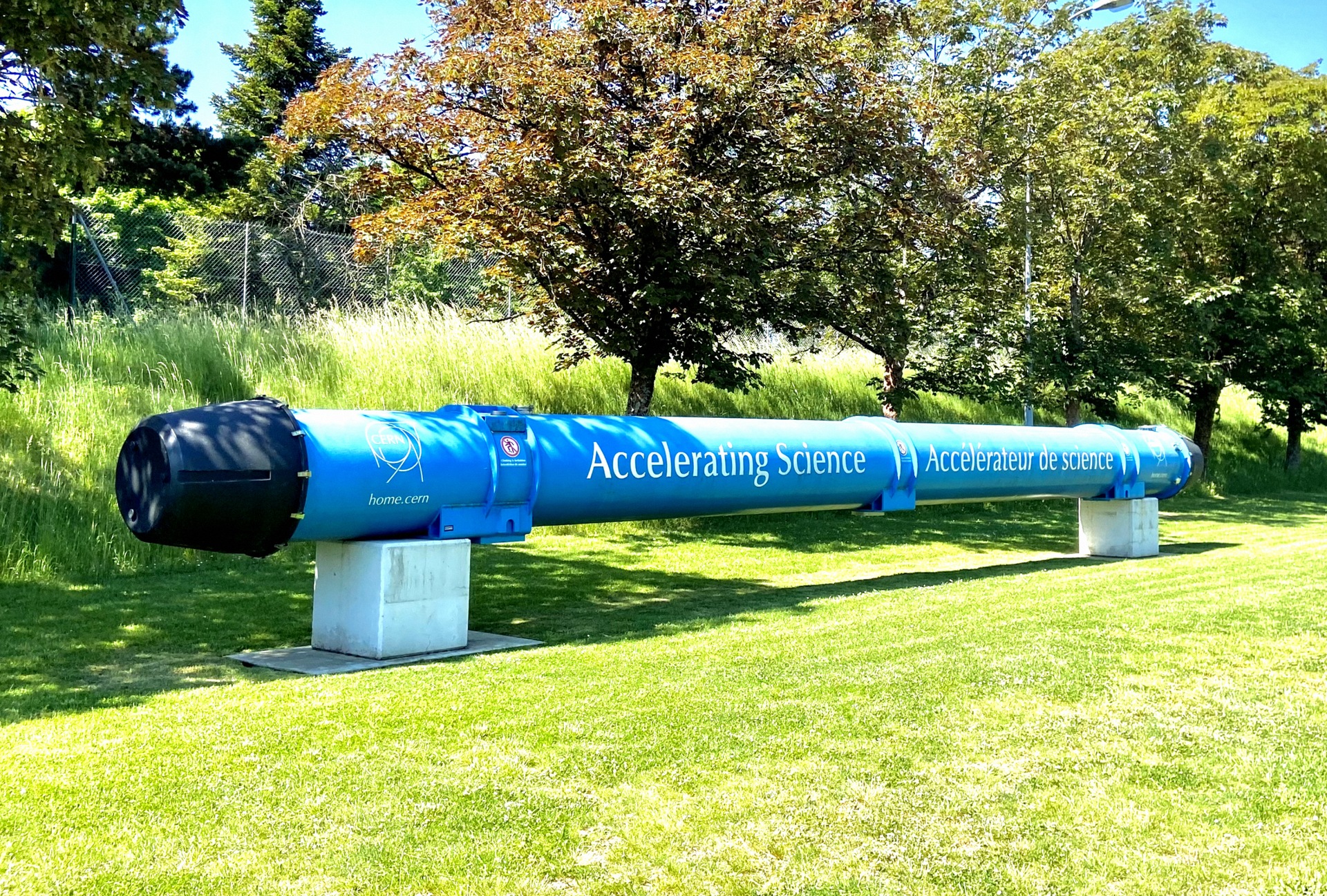
To test quantum mechanics at extreme extremes, physicists turned to the world's most powerful scientific instrument: the Large Hadron Collider (LHC) at CERN [s4]. Housed in a circular tunnel 27 kilometres in circumference and buried 100 metres beneath the Franco-Swiss border near Geneva, the LHC uses 1,232 superconducting dipole magnets chilled to minus 271.3 degrees Celsius—colder than outer space—to steer beams of protons at close to the speed of light [s4].
Within ultrahigh vacuum pipes, two particle beams travel in opposite directions before being steered into head-on collisions at four detector locations around the ring, including the ATLAS and CMS experiments [s4]. At collision energies of 13 teraelectronvolts (TeV), the LHC concentrates immense energy into spaces ten trillion times smaller than a needle tip, recreating conditions that allow the heaviest known fundamental particles to flash into existence [s4]. This extreme relativistic environment opened up an unprecedented opportunity: testing whether quantum entanglement persists not just between delicate photons, but among the heaviest, most short-lived quarks ever discovered [s1] [s3].
The Top Quark: A Fleeting Quantum Messenger
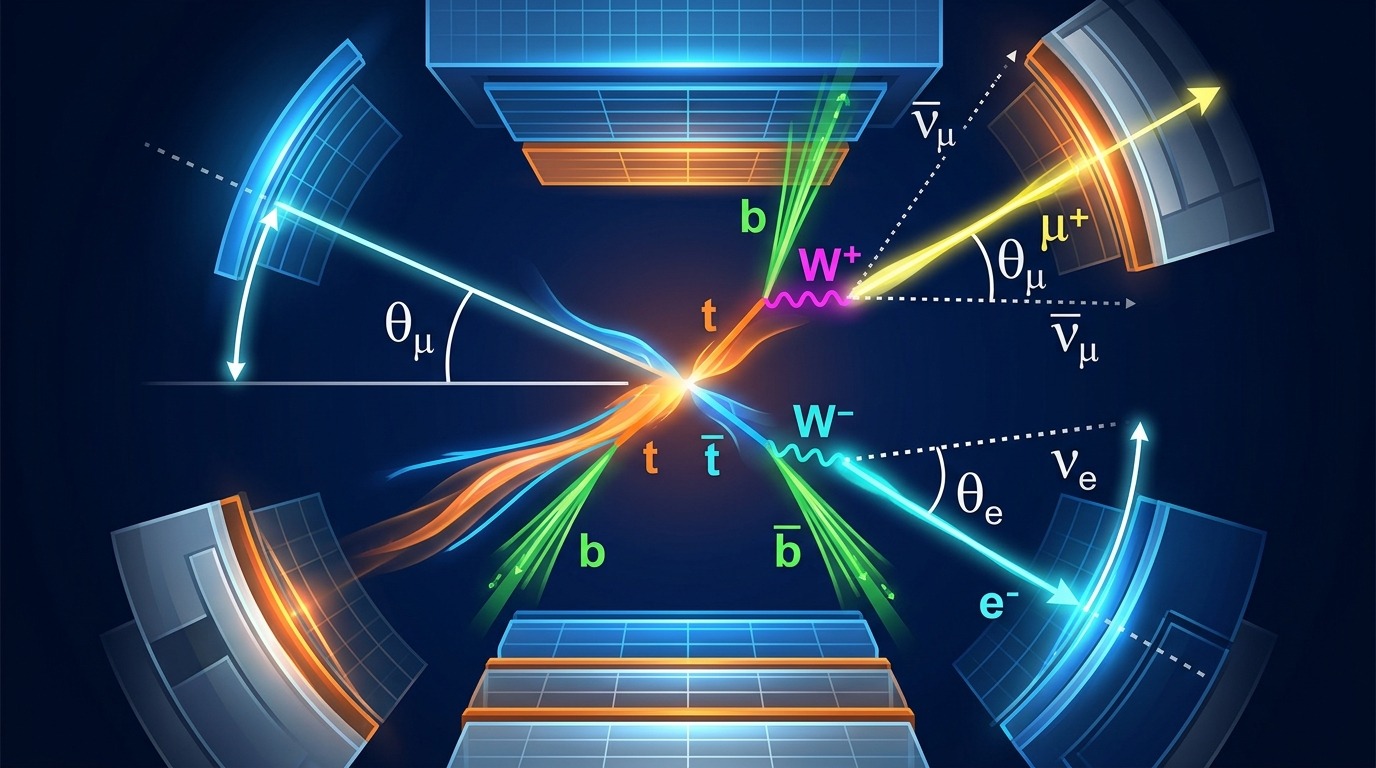
Among all known fundamental constituents of matter, the top quark occupies a unique position. It is the heaviest fundamental particle known to exist [s3]. Because of its tremendous mass, the top quark possesses an extraordinarily short lifetime of approximately 10⁻²⁵ seconds [s5]. This interval is so brief that the top quark decays well before it has time to bind with other quarks through hadronization—a process that takes about 10⁻²⁴ seconds—or undergo spin decorrelation at 10⁻²¹ seconds [s5].
Because it disintegrates before the strong force can shroud its properties, the top quark effectively behaves as a bare quark [s5]. When a top quark and its antimatter counterpart (an antitop quark) are created together, they transfer their intrinsic spin orientations directly to their decay particles [s3] [s5]. In the standard decay pathway, top quarks decay into a W boson and a bottom quark, with the W boson subsequently decaying into charged leptons such as electrons or muons [s5]. Because charged leptons preserve the spin information of their parent top quarks with nearly 100% fidelity, physicists can reconstruct the original spin states simply by measuring the angles at which these leptons fly outward through the detector [s3] [s5].
Proving Entanglement Beyond Five Standard Deviations
Observing quantum entanglement in top quark pairs required meticulously isolating collision events near their production threshold, where the two quarks emerge with low momentum relative to each other [s3] [s5]. In this narrow mass window—spanning an invariant mass between 340 and 380 gigaelectronvolts (GeV)—theory predicts that top-antitop pairs are produced primarily in an entangled spin-singlet configuration [s5].
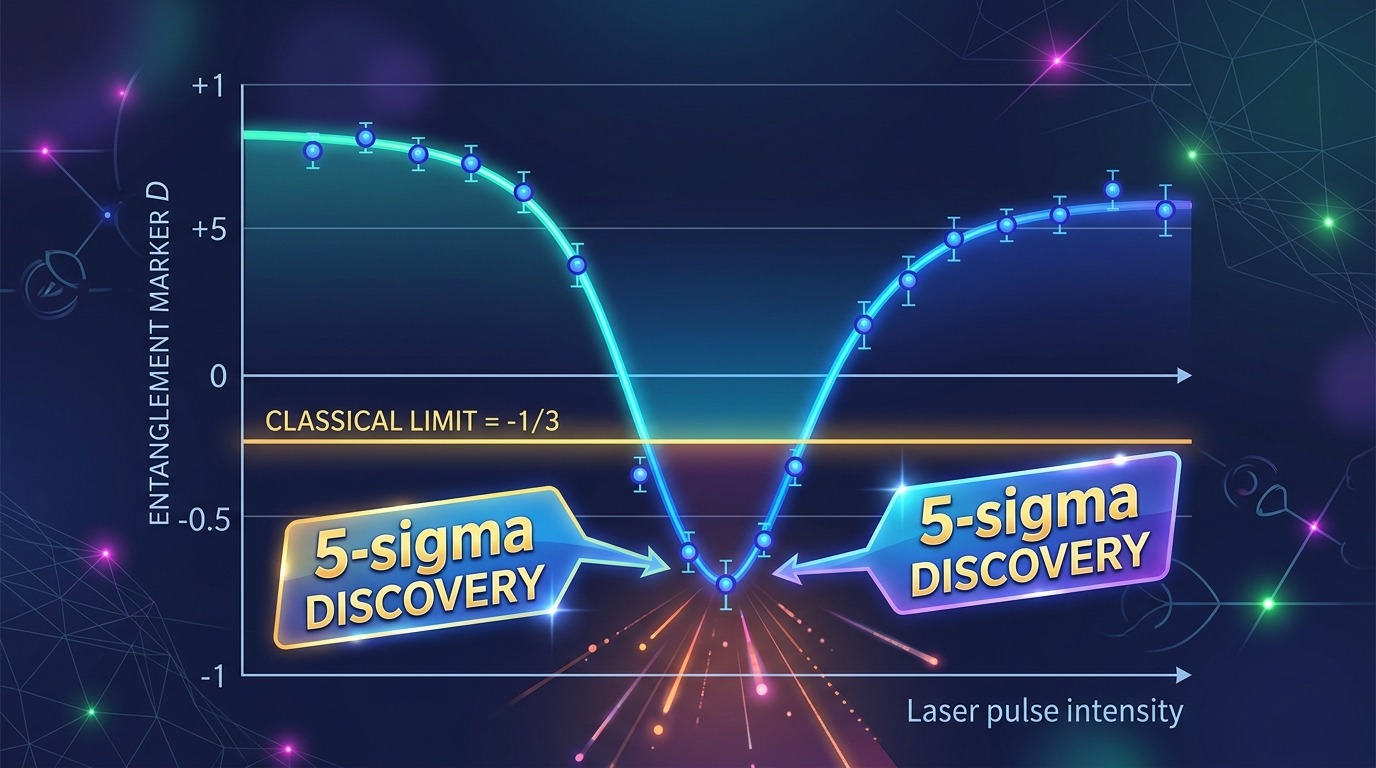
Physicists quantified this quantum coupling using an observable called the entanglement marker, denoted as D [s5]. Based on the Peres-Horodecki criterion, any measured value of D falling below minus one-third (D < -1/3) provides definitive proof of quantum entanglement [s1] [s2] [s5]. In an analysis of 13 TeV proton-proton collision data collected during LHC Run 2, the ATLAS collaboration measured an entanglement marker of D = -0.537 ± 0.002 (stat.) ± 0.019 (syst.) [s5].
The CMS collaboration independently measured the same phenomenon at the production threshold, finding D = -0.480 [s1]. Both research teams confirmed spin entanglement with a statistical significance exceeding five standard deviations—the gold standard for formal scientific discovery in particle physics [s1] [s3] [s5]. In subsequent work, the CMS team even observed entanglement in pairs produced with high relative momentum, where the top quarks decay at space-like separations, completely precluding any classical speed-of-light signaling [s2] [s3].
A New Frontier for Quantum Information
The successful observation of entanglement in top-antitop quark pairs represents the highest-energy measurement of quantum entanglement ever recorded in a laboratory [s1] [s3]. By confirming that the Peres-Horodecki criterion is breached at multi-TeV colliders, physicists have demonstrated that quantum mechanics operates without interruption across many orders of magnitude—from sub-electronvolt photons all the way to massive quarks born in relativistic fireballs [s1] [s3].
These results also establish high-energy particle colliders as viable platforms for quantum information science [s1] [s3]. By testing entanglement and spin density matrices at extreme energies, researchers can subject the Standard Model to unprecedented scrutiny, searching for faint anomalies that could hint at new particles or interactions [s3]. As the LHC continues to gather data and prepares for future high-luminosity upgrades, these fleeting subatomic connections offer a profound reminder that the universe, at its core, remains interconnected in ways that continue to inspire and surprise us [s4].
Sources & further reading
[s1] LHC experiments at CERN observe quantum entanglement at the highest energy yet – Home | CERN ↗home.cern
[s2] Large Hadron Collider – Home | CERN ↗www.home.cern
[s3] Observation of quantum entanglement with top quarks at the ATLAS detector | NatureClose bannerClose banner ↗www.nature.com
Updated 20/10/2026. Report a correction.Image credits
Related source image: Large Hydron Collider Segment photographed by Robbie Conceptuel
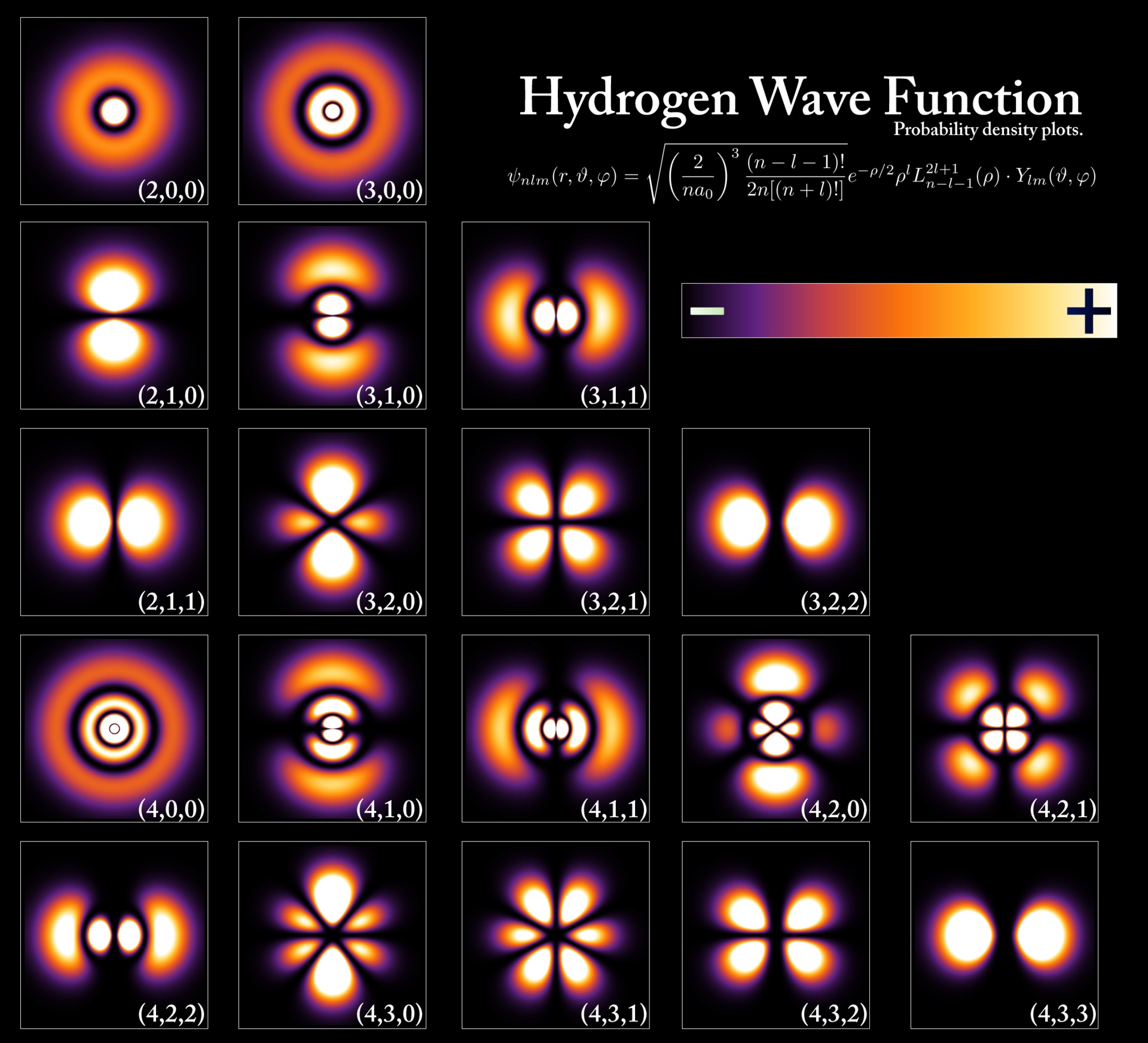
Source image · Hydrogen Density Plots · PoorLeno (talk) · Public domain · Original image and rights details ↗
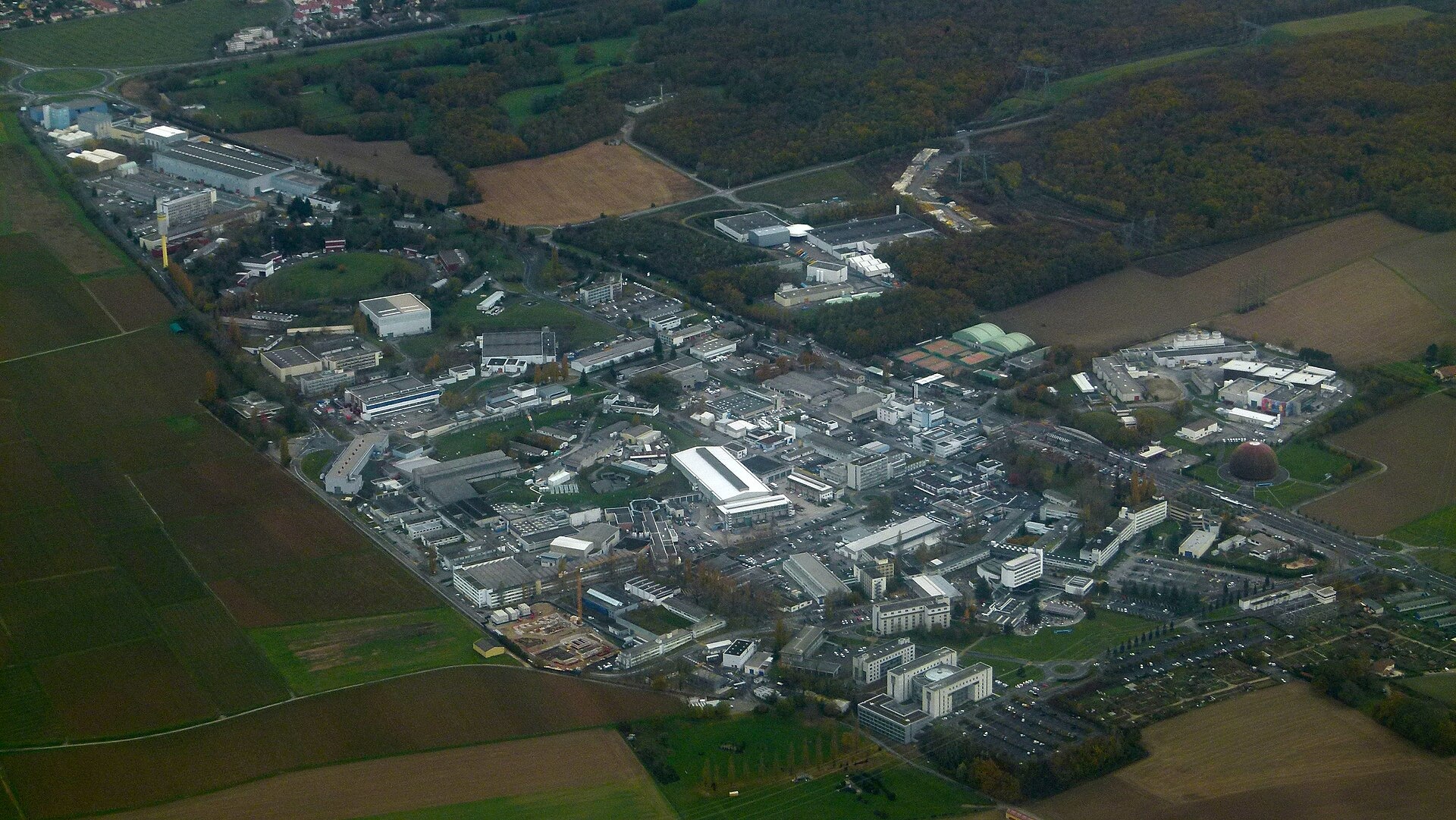
Source image · CERN-aerial 1 · Brücke-Osteuropa · CC0 · Original image and rights details ↗
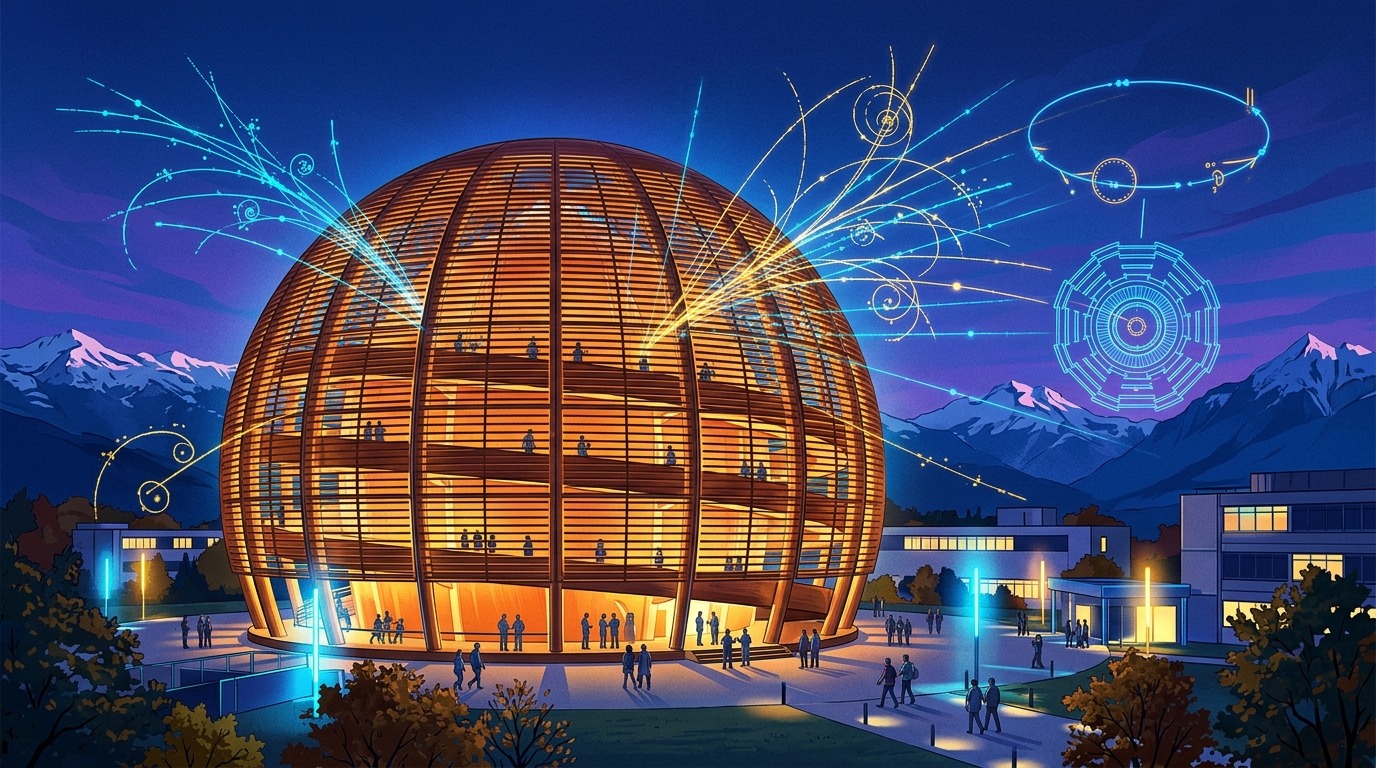
Gemini-generated conceptual illustration · COSMORA
Source image · Large Hydron Collider Segment photographed by Robbie Conceptuel · Conceptuel · CC0 · Original image and rights details ↗