The Illusion of Absolute Time and Einstein's Revolution
Have you ever wondered whether jumping into the future is truly possible, or if it must remain forever trapped within the realm of science fiction? For most of human history, time appeared to be an unyielding, universal river. In our everyday experience, we all seem to travel forward together at the exact same pace: precisely one second per second [s1]. We mark the passage of time from one birthday to the next, watching days blend into years under the assumption that a ticking second hand ticks identically for everyone, everywhere in the universe.
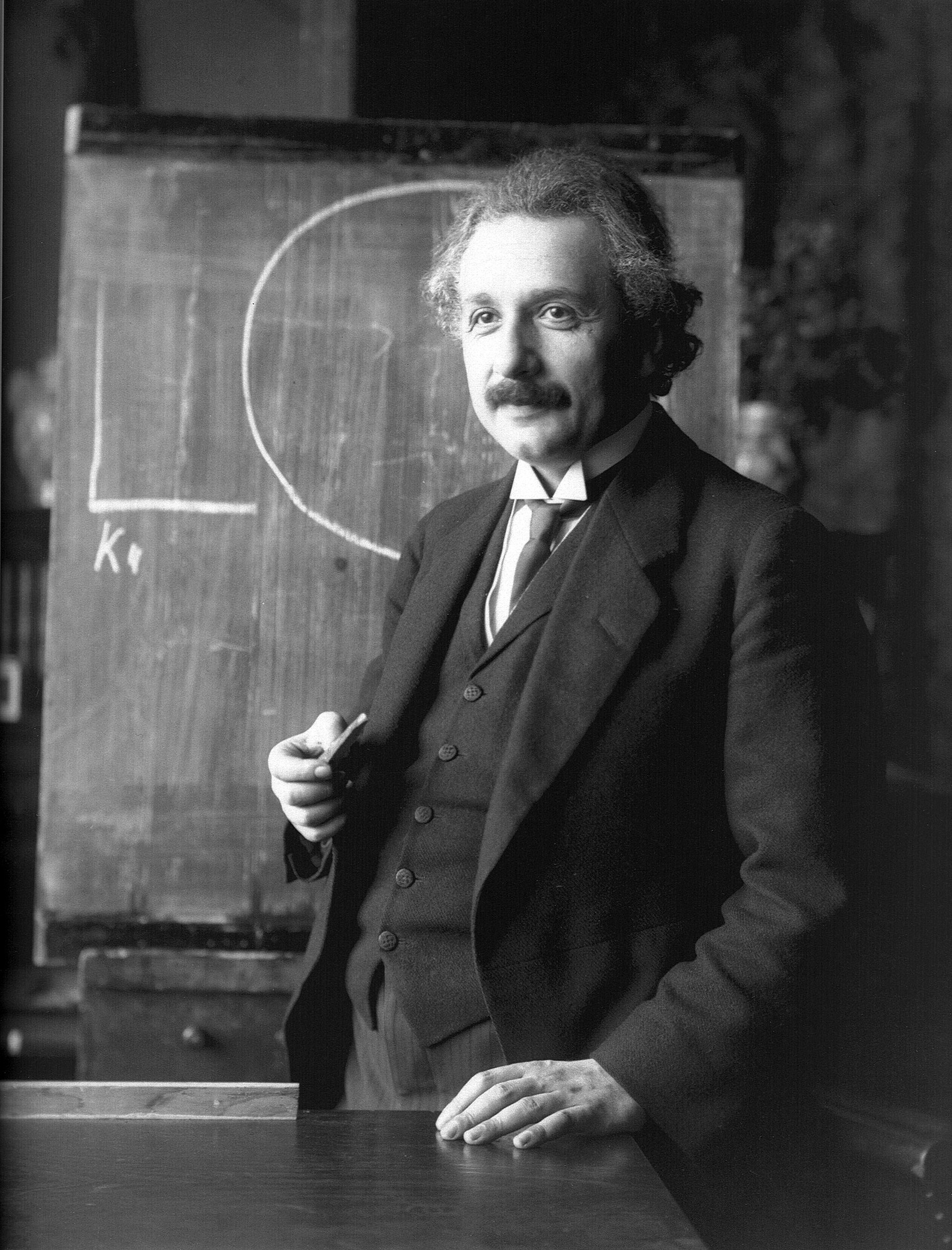
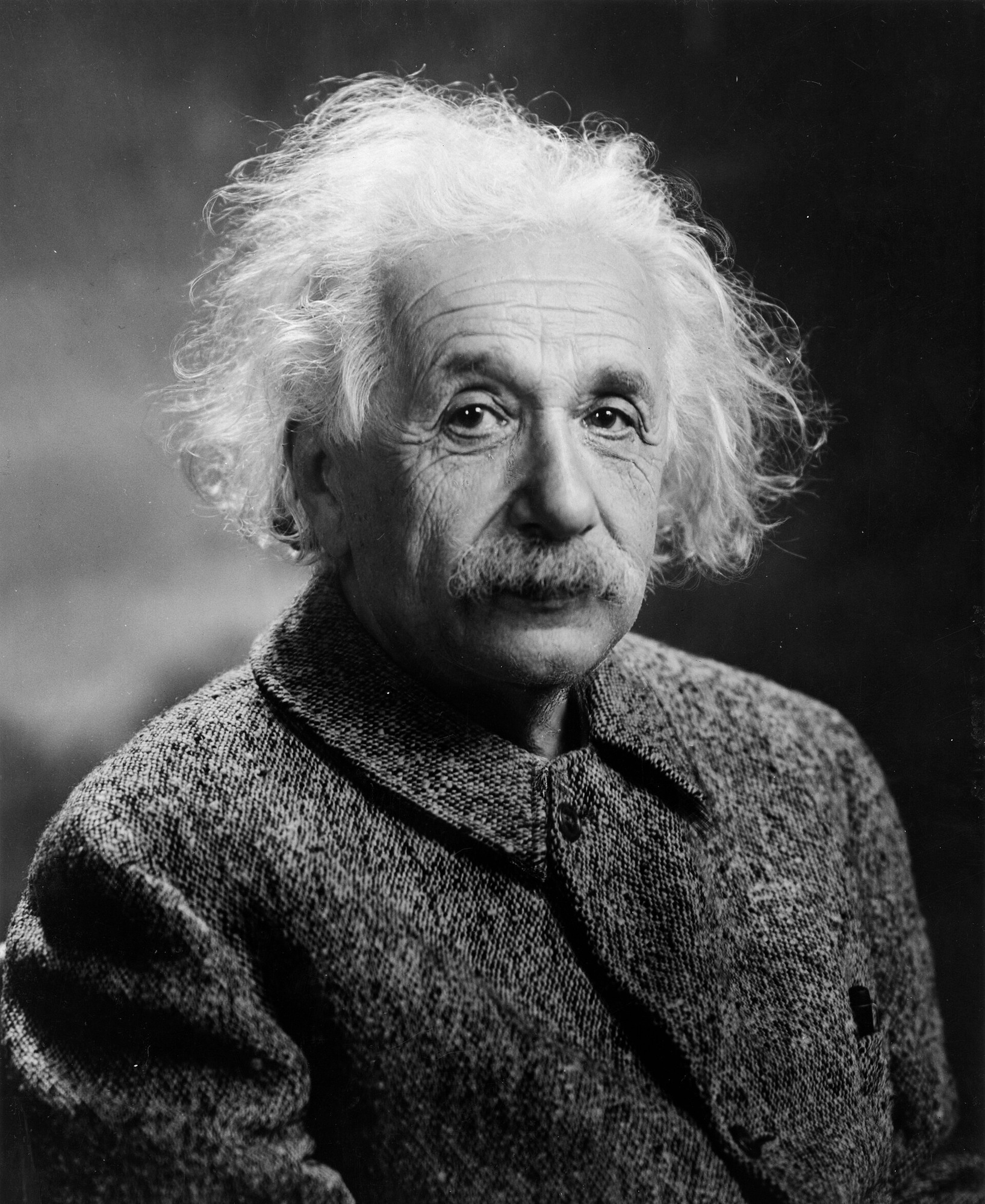
More than a century ago, Albert Einstein upended this intuitive picture of the world by introducing his landmark theory of relativity [s1]. Einstein demonstrated that space and time are not independent, rigid backdrops against which events unfold. Instead, they are woven together into an integrated four-dimensional continuum known as spacetime [s1]. Within this framework, Einstein established that the universe possesses a strict cosmic speed limit: nothing can travel faster than the speed of light, which races through the void at approximately 186,000 miles per second [s1].
Because light's speed remains constant for all observers regardless of their motion, space and time must bend to accommodate it [s1]. This profound realization fundamentally changed our understanding of reality: the rate at which time passes is relative, shifting depending on how rapidly an observer moves and how intensely gravity pulls on them [s1]. Far from being an abstract mathematical curiosity, this flexibility of spacetime confirms that time travel into the future is an authentic physical reality governed by the fundamental laws of nature [s1].
Speeding Up to Slow Down: The Airborne Clock Experiment
One of the most startling deductions from Einstein's theory of relativity is that motion alters the rate of time itself [s1]. According to the mechanics of relativity, the faster an object moves through space, the slower it experiences the passage of time relative to an observer remaining at rest [s1]. While this temporal slowdown—known in physics as time dilation—is imperceptible at everyday walking or driving speeds, it becomes increasingly significant as velocities climb toward the cosmic speed limit [s1].
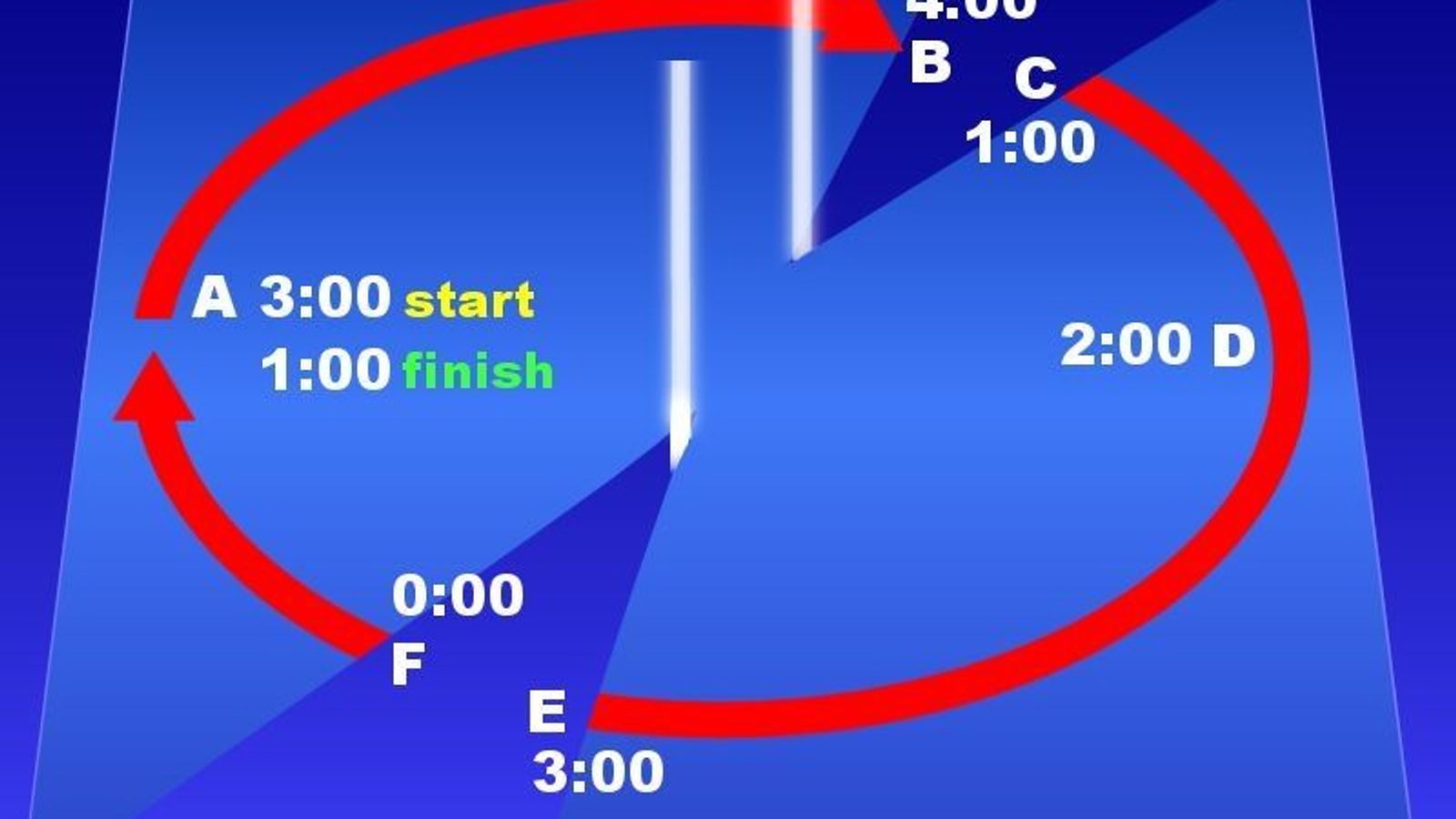
To determine whether this counterintuitive phenomenon actually happens in the physical world, scientists turned to precise empirical testing [s1]. In a historic airborne experiment, researchers synchronized two highly accurate clocks to the exact same time [s1]. One clock remained stationary on Earth's surface, while the other was placed aboard an airplane that circumnavigated the globe, flying in the direction of Earth's rotation [s1].
When the aircraft completed its journey around the world, physicists reunited and compared the two instruments [s1]. The measurement was unambiguous: the clock that had flown aboard the fast-moving airplane was slightly behind the clock that stayed resting on the ground [s1]. Because of its high-speed flight, the airborne timepiece had experienced time at a rate slightly slower than one second per second compared to the stationary reference frame [s1]. By taking to the skies, the flying clock had traveled an imperceptible fraction of a second into the future of its ground-based twin, providing direct physical verification of Einstein's velocity predictions [s1].
Gravitational Time Dilation: Why Altitude Speeds Up Clocks
Velocity is only half of the relativistic equation. Einstein's wider exploration of relativity revealed that gravity also exerts a profound command over the flow of time [s1]. Rather than acting merely as an invisible pulling force between masses, gravity represents the curvature of spacetime caused by the presence of matter and energy [s1]. Massive bodies like Earth warp the fabric of spacetime around them, and this curvature causes time to pass more slowly the closer an object is to the center of mass [s1].
Conversely, as an object moves farther away from Earth into higher altitudes, the planet's gravitational pull weakens [s1]. In regions of weaker gravity, spacetime experiences less curvature, which causes clocks to accelerate and tick noticeably faster than identical timepieces positioned down on the planetary surface [s1].
This gravitational effect plays out continuously high above our heads in the fleet of Global Positioning System (GPS) satellites [s1]. These satellites circle the planet at an altitude of approximately 12,550 miles (20,200 kilometers) above Earth's surface [s1]. Up at this lofty orbital height, Earth's gravitational field is substantially weaker than it is at sea level [s1]. Consequently, gravitational time dilation dictates that the ultra-precise atomic clocks ticking aboard GPS satellites run faster than matching clocks resting on the ground [s1]. Gravity, quite literally, dictates the speed of temporal flow across different altitudes in space [s1].
GPS Engineering and the Concrete Consequences of Relativity
Because GPS satellites operate under unique physical conditions, they experience a delicate tug-of-war between velocity and gravity [s1]. On one hand, these navigational satellites hurtle along their orbital paths at speeds of roughly 8,700 miles (14,000 kilometers) per hour [s1]. In accordance with velocity-based time dilation, this rapid motion causes the satellite clocks to tick slightly slower by a small fraction of a second relative to ground stations [s1].
On the other hand, their high altitude of 12,550 miles places them in a significantly reduced gravitational environment, which speeds up their internal clocks by a slightly larger fraction of a second [s1]. When scientists calculate the net outcome of these competing relativistic forces, the gravitational speeding effect outweighs the velocity slowing effect [s1]. As a result, the atomic clocks aboard GPS satellites tick at a rate slightly faster than one second per second relative to clocks on Earth's surface [s1].
If aerospace engineers and computer scientists ignored Einstein's equations, modern navigation would rapidly collapse [s1]. Without continuous mathematical corrections designed to counteract these relativistic shifts, tiny timing errors would compound minute by minute [s1]. Within a single day, untended GPS clocks would generate navigational discrepancies adding up to several miles [s1]. Mapping applications on smartphones and in vehicles would miscalculate your physical location, placing your home miles away from where it actually sits [s1]. Every time you consult a digital map, you rely on calculations grounded in real-world time travel [s1].
Cosmic Windows: Peering into the Past with Telescopes
While human technology routinely manipulates the mathematics of future-bound time dilation in orbit, science fiction dreams of traveling into the distant past face insurmountable hurdles [s1]. Current physics offers no mechanism for humans to hop inside a machine and journey backwards centuries into antiquity; such scenarios remain confined to speculative literature and cinematic entertainment [s1].
Nevertheless, astronomy provides a literal, observational window into the deep past [s1]. Because light moves across space at a finite speed of 186,000 miles per second, the light radiated by distant cosmic structures takes immense spans of time to travel across the cosmos to reach our planet [s1]. When powerful instruments like the Hubble Space Telescope gaze into deep space, they do not see stars and distant galaxies as they exist at this very instant [s1]. Instead, they capture ancient photons that embarked on their journey millions or even billions of years ago [s1].
In this observational sense, every deep-space telescope functions as a real-time viewing portal into yesterday [s1]. We cannot physically walk through the pages of vanished history, nor can we alter the events that preceded us [s1]. Yet by uniting Einstein's spacetime mechanics with astronomical observation, we see that time is far more dynamic than our daily routines suggest [s1]. Under the right conditions of cosmic speed, altitude, and sight, humanity interacts with the reality of time travel every single day [s1].
Sources & further reading
[s1] Is Time Travel Possible? | NASA Space Place – NASA Science for Kids ↗spaceplace.nasa.gov
Updated 20/10/2026. Report a correction.Image credits
Source image · CollageFisica · Daniele Pugliesi · Public domain · Original image and rights details ↗
Source image · Dupliter Theory Time Travel Anchoring illustration · Cloud899 · Own work · CC BY 4.0 · · Cropped/resized for COSMORA; social versions add text · CC BY 4.0 license ↗ · Original image and rights details ↗
Source image · Albert Einstein 1921 by F Schmutzer · Ferdinand Schmutzer · Public domain · Original image and rights details ↗
Source image · Albert Einstein 1947 · Oren Jack Turner · Public domain · Original image and rights details ↗
Source image · Time travel hypothesis using cosmic strings · Vio · Public domain · Original image and rights details ↗