Far from mere science fiction, time travel is a confirmed feature of the physical universe. Einstein's relativity reveals that high speeds slow time down while weaker gravity speeds it up—effects proven by airborne atomic clocks and actively corrected in GPS satellites every day.
When unusual lights appear in the sky, popular culture often leaps to extraterrestrial theories. In scientific inquiry, however, 'unidentified' simply means that data are incomplete. NASA and independent scientists are establishing a rigorous, data-driven approach to investigate unidentified anomalous phenomena using calibrated air traffic sensors and physics.
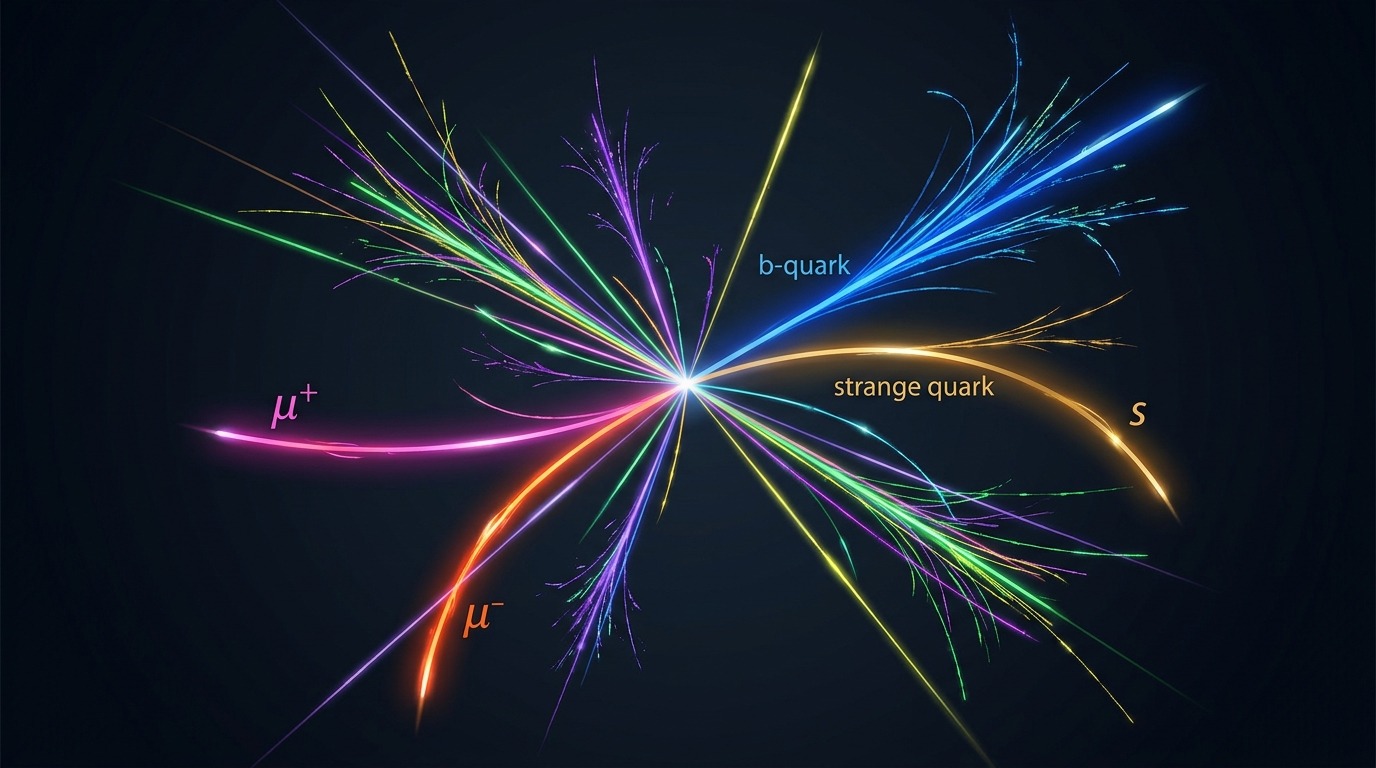
CMS and LHCb researchers have presented new measurements of the rare decay of beauty quarks into strange quarks and muon pairs (b→sμ+μ–). CMS conducted the first simultaneous six-channel branching fraction analysis using Run 3 data, while LHCb applied a model-independent approach to the P5' angular variable, highlighting small, consistent tensions with the Standard Model.
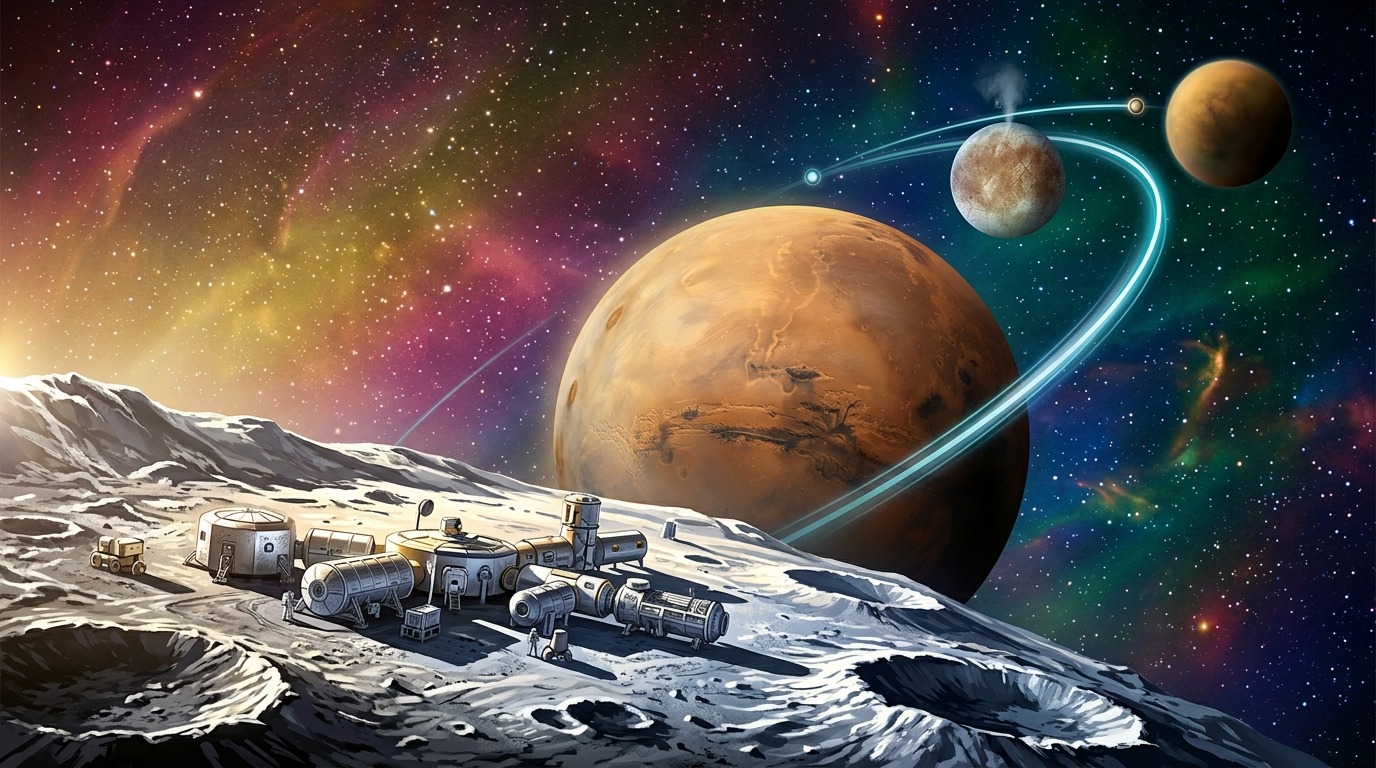
NASA has opened registration for the 2026 Space Apps Challenge, scheduled for November 14–15 across more than 500 worldwide host events. The global hackathon invites participants of all skill levels to leverage open-access datasets to solve challenges across lunar exploration, deep-space Mars readiness, and astrophysics.
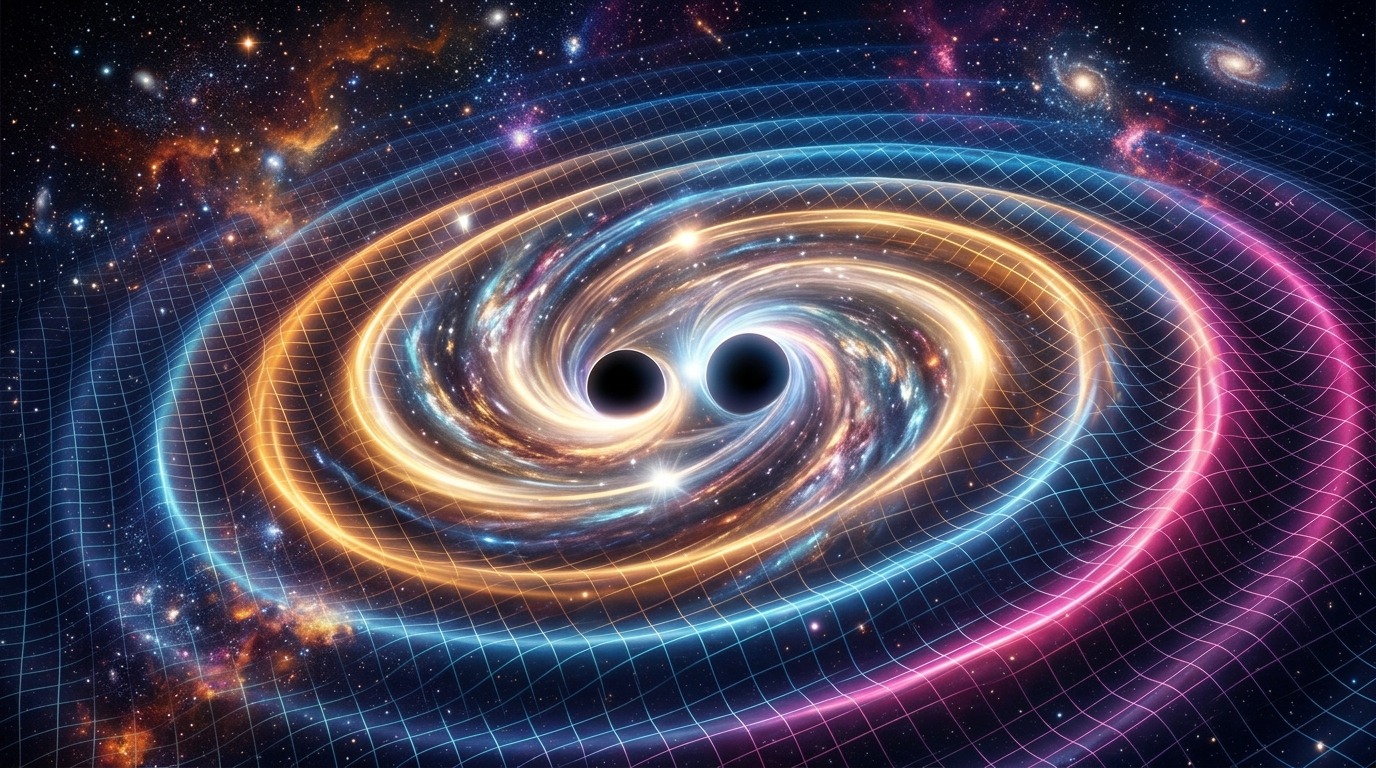
Gravitational waves are ripples in the fabric of spacetime produced by accelerating massive bodies like colliding black holes and neutron stars. This article explores how ground interferometers such as LIGO, pulsar timing arrays, and future space missions like LISA measure these minuscule cosmic distortions.
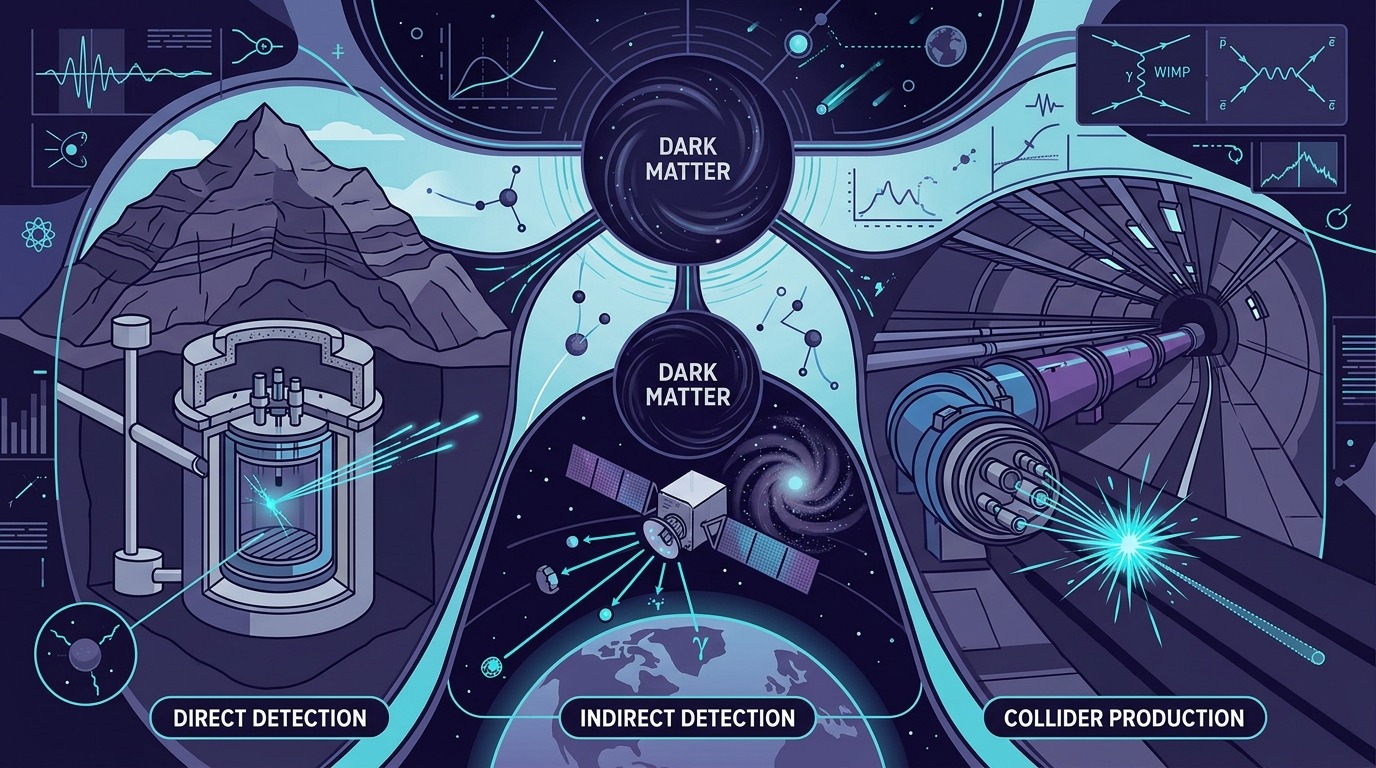
Physicists hunt for dark matter through three complementary methods: underground direct detection of rare nuclear recoils, space-based searches for annihilation products like gamma rays, and collider experiments tracking missing momentum. Leading candidates include WIMPs and axions.