Peering Through the Zone of Avoidance
Gazing toward the dense, glittering heart of the Milky Way often presents astronomers with an impenetrable barrier. The plane of our galaxy is choked with blinding stellar fields, thick swathes of interstellar molecular clouds, and dense lanes of cosmic dust—a region historically designated by extragalactic astronomers as the Zone of Avoidance. For decades, celestial structures situated behind this heavy obscuration have remained poorly understood, their signals scattered or extinguished before reaching ground-based optical telescopes.
Among these mysterious background features was a curious filamentary radio structure cataloged as VLSS J0318.9+5755, situated at an extremely low galactic latitude of approximately 0.5 degrees [s2]. Because its radiation arrived through such dense Galactic foregrounds, astronomers initially suspected the object might simply be an unusual, obscured pulsar spinning inside our own Milky Way [s2]. However, deeper low-frequency radio observations hinted that the source was far more distant and complex, pointing toward an entire galaxy cluster hiding unseen beyond the disk of our home galaxy [s2]. Translating these hints into definitive physical understanding demanded an arsenal of high-energy observatories capable of piercing the interstellar fog.
Unmasking a Hidden Cosmic Colossus
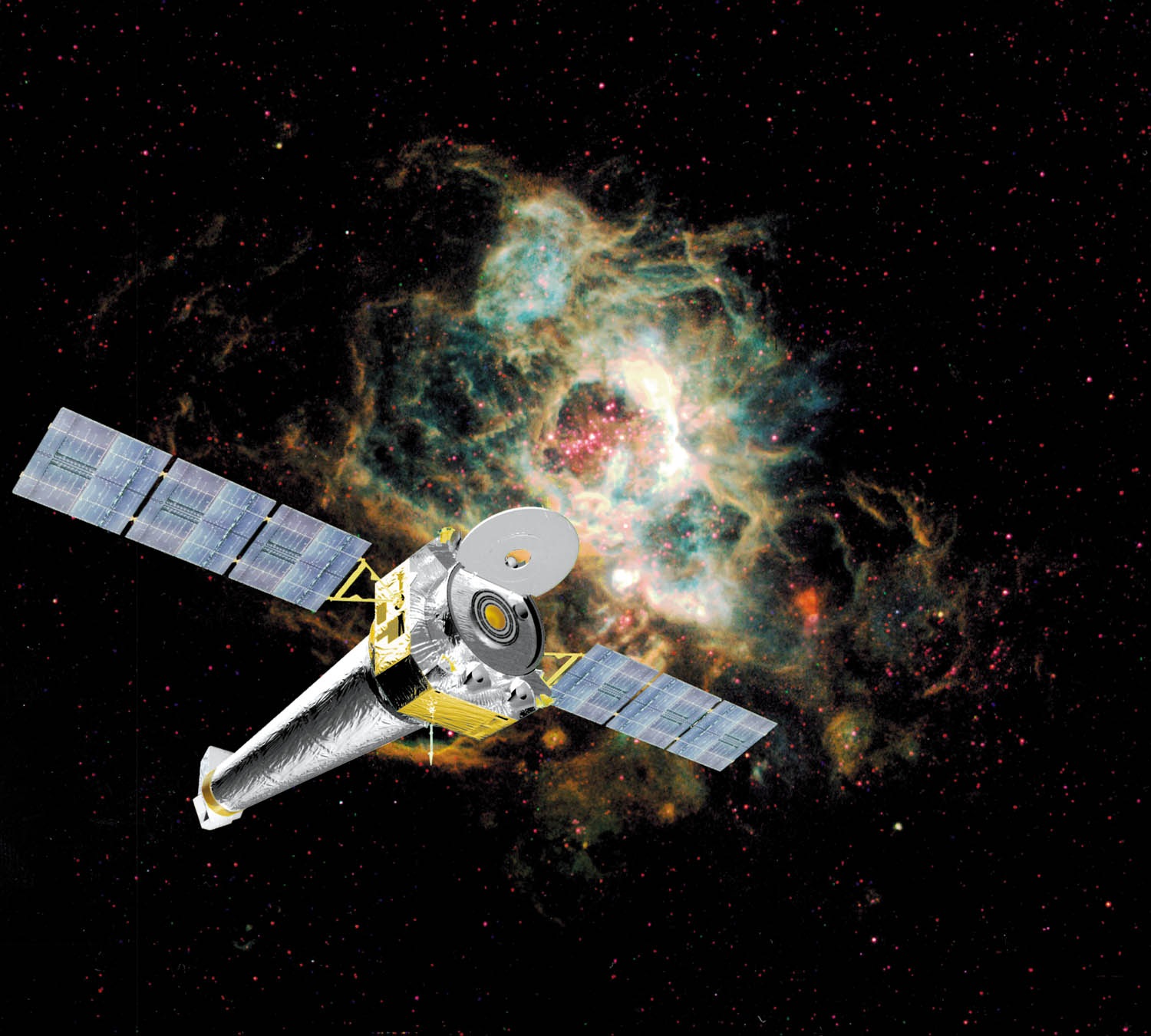
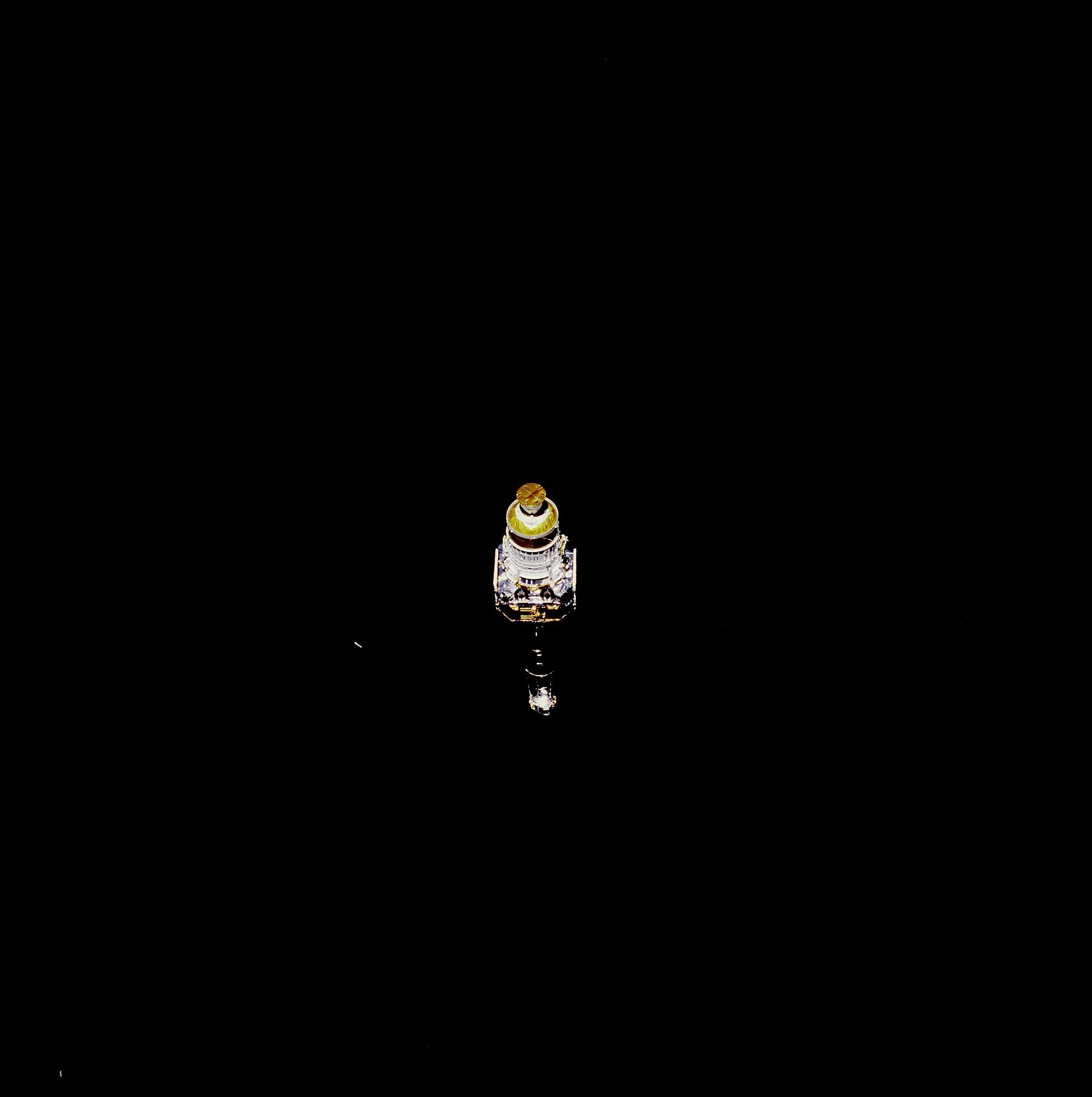
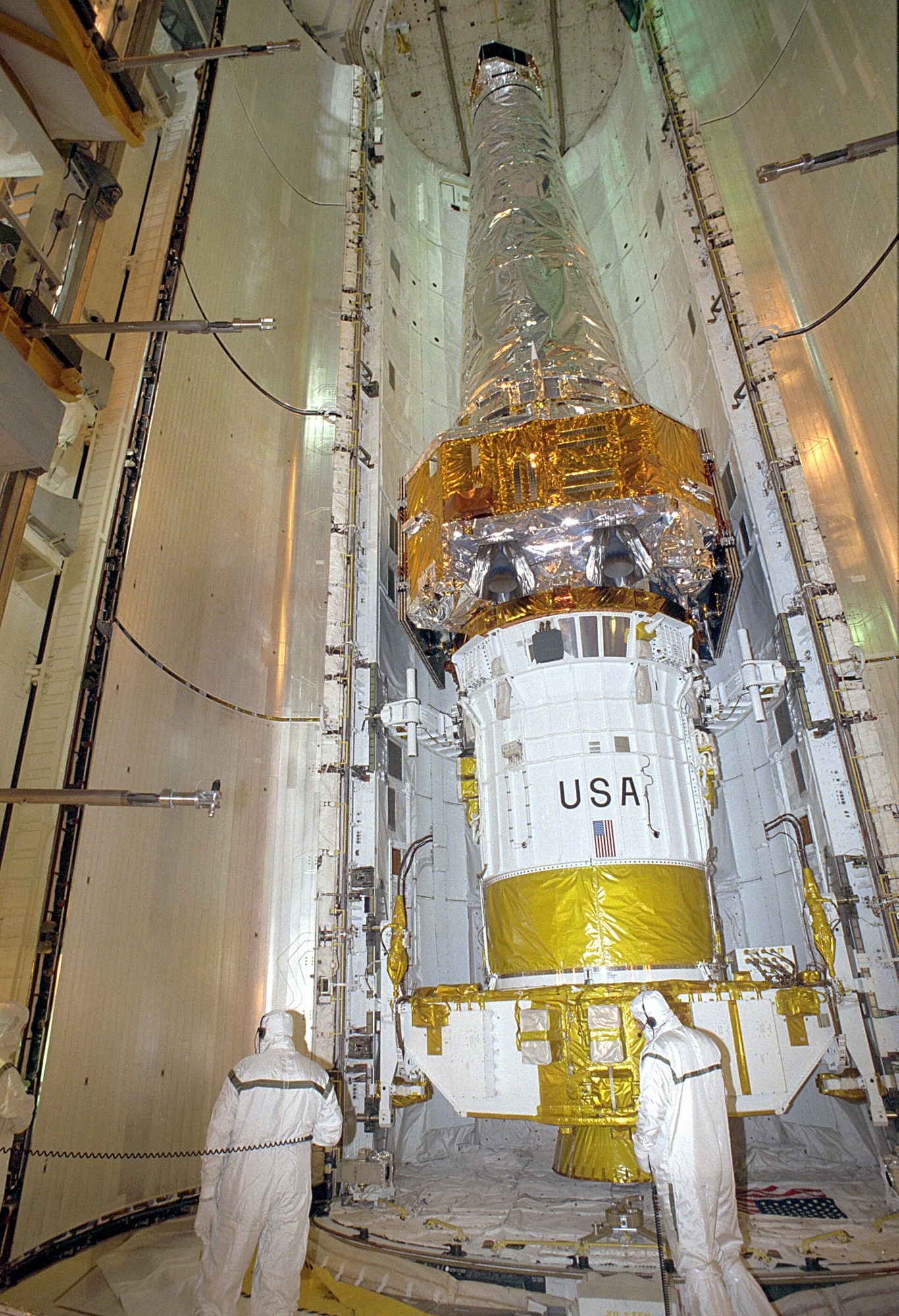
To unmask the true environment of VLSS J0318.9+5755, an international team led by Andrea Botteon of Italy’s National Institute for Astrophysics (INAF) turned to orbiting X-ray observatories, publishing their findings in Astronomy & Astrophysics [s1]. High-energy X-rays possess the rare ability to penetrate thick sheets of neutral hydrogen and cosmic dust that completely blot out visible light.
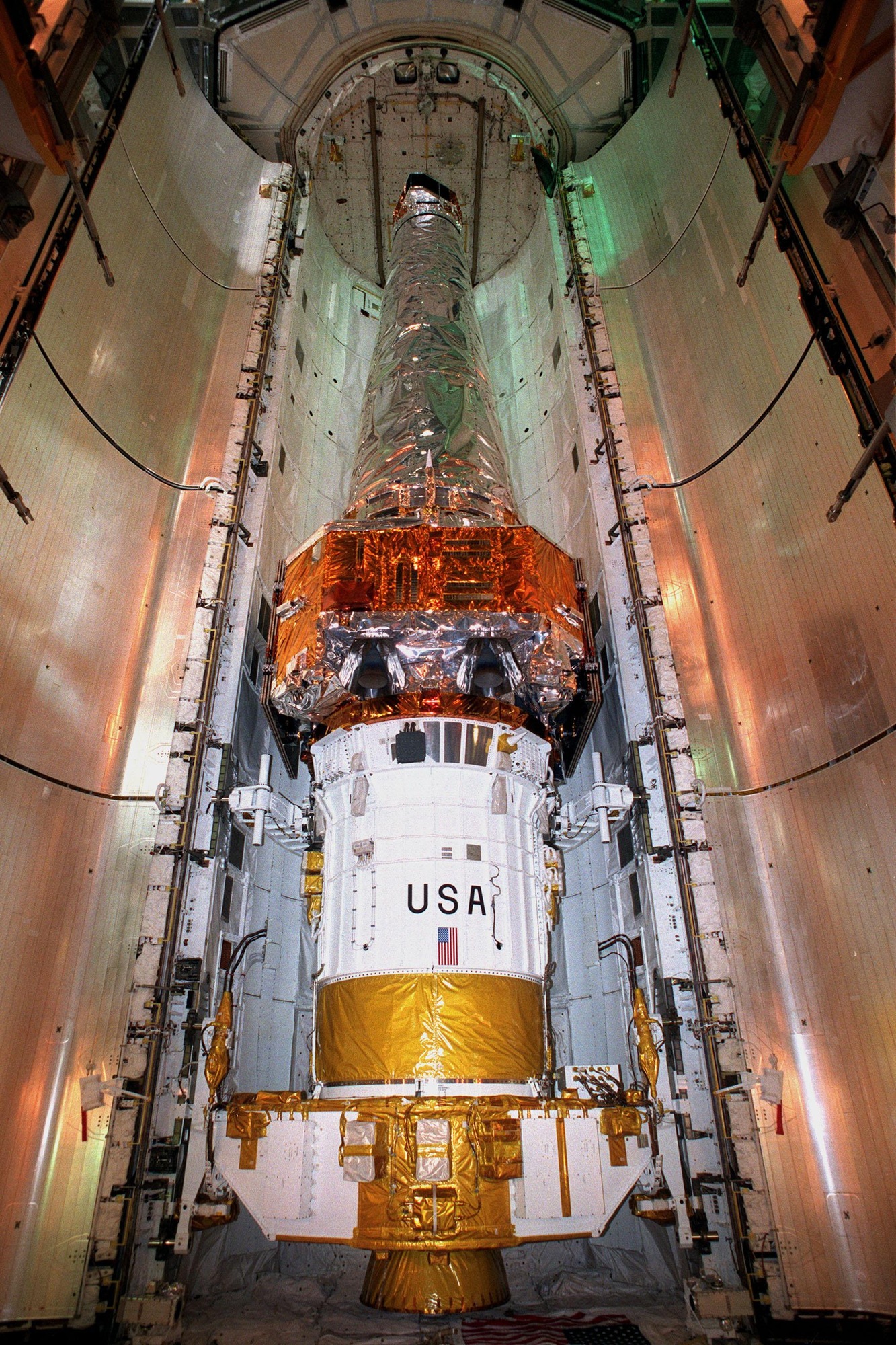
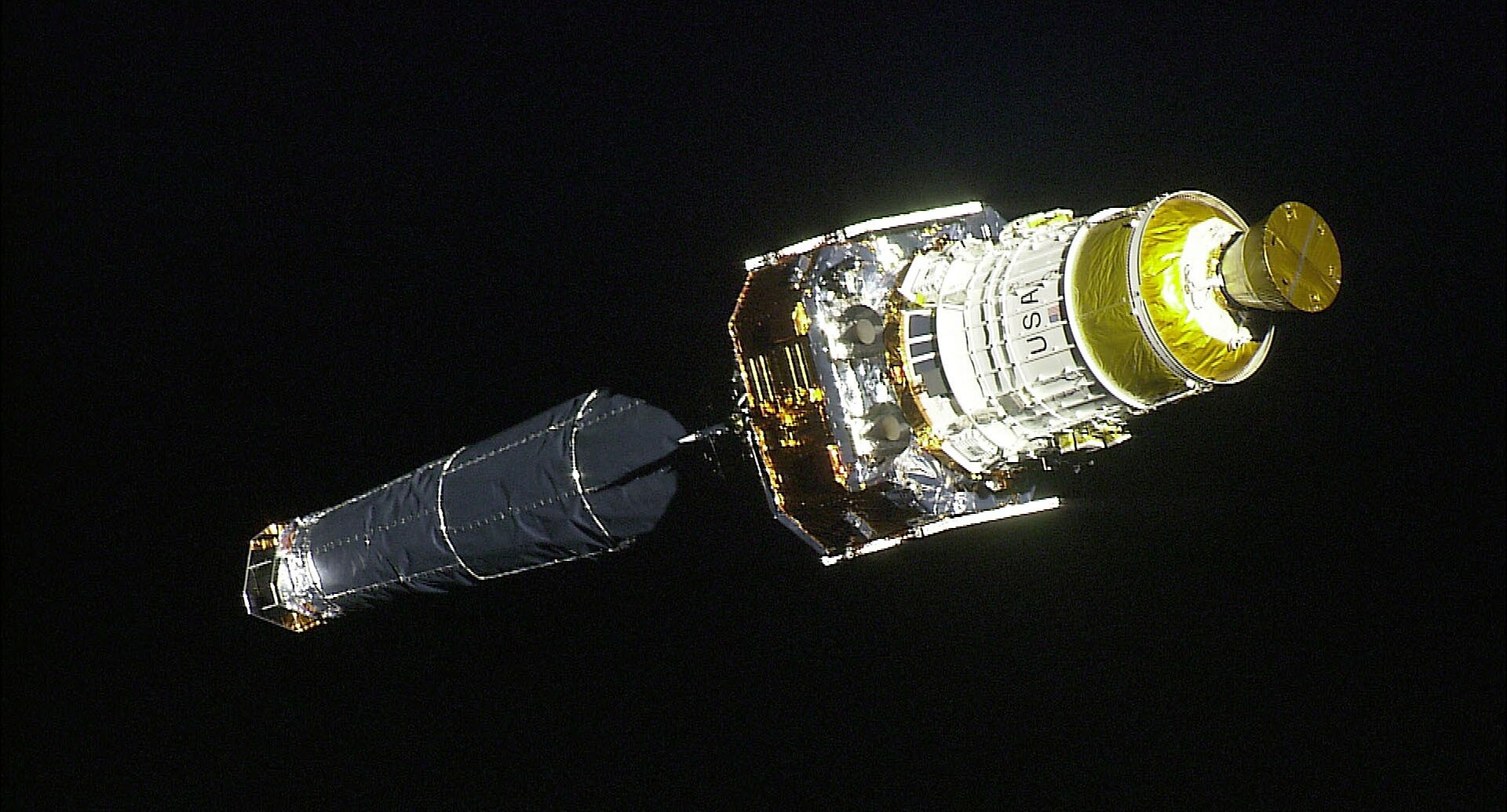
Observing with NASA’s Chandra X-ray Observatory and the German Extended RÖntgen Survey with an Imaging Telescope Array (SRG/eROSITA), the researchers discovered a sprawling, diffuse reservoir of superheated, multimillion-degree intracluster gas precisely coinciding with the radio coordinates [s1]. Galaxy clusters are the largest gravitationally bound structures in the universe, typically containing hundreds of galaxies suspended within an ocean of thermal plasma known as the intracluster medium. The unambiguous detection of this thermal X-ray glow confirmed beyond doubt that the radio structure is hosted by a massive, distant galaxy cluster rather than an isolated Galactic remnant [s1]. Furthermore, the elongated morphology and dynamical disruption visible across the X-ray gas revealed that this was no placid cosmic environment; it was two separate massive galaxy clusters locked in a monumental, violent merger [s1].
A Two-Stage Cosmic Crescendo
When low-frequency radio maps from the European LOw Frequency ARray (LOFAR) were superimposed onto the X-ray data alongside near-infrared stars mapped by the United Kingdom Infrared Telescope, a striking visual apparition emerged [s1]. The radio emission exhibited an intricate, looping silhouette featuring a strong vertical backbone and sweeping curves that strongly resemble a musical treble clef [s1]. While the resemblance to musical notation is a textbook case of pareidolia—the human tendency to recognize familiar patterns in random physical data—the physical mechanisms that sculpted this structure represent an extraordinary cosmic sequence [s1].
The team concluded that the Treble Clef formed via a coordinated two-stage astrophysical process [s1]. Hundreds of millions of years ago, an ancient outburst driven by an active supermassive black hole located in the cluster’s central galaxy blasted collimated jets of magnetized relativistic plasma into the intracluster medium at nearly the speed of light [s1]. Over cosmological timescales, the high-energy electrons within these giant lobes gradually radiated away their energy, fading into a dormant, steep-spectrum fossil plasma cloud [s1].
The dormant cloud was later given a second life. When the host cluster underwent a cataclysmic collision with an incoming companion cluster, the impact drove massive shock waves—analogous to supersonic sonic booms—rippling through the intracluster gas [s1]. These shocks, coupled with turbulent gas motions, swept through the fossil plasma cloud, compressing the magnetic fields and violently re-accelerating the relic electrons [s1]. This revived the dormant reservoir into a brilliant, steep-spectrum radio phenomenon known to astrophysicists as a radio phoenix [s1] [s2].
Reconstructing the Collision Axis
To decode the kinematics of the collision that reignited the Treble Clef, astronomers analyzed the spatial symmetry of the hot intracluster gas using Chandra’s high-resolution instruments [s1]. In undisturbed galaxy clusters, the multimillion-degree gas settles into a hydrostatic equilibrium that appears as a smooth, symmetric oval. In this merging system, however, the collision had distorted the gas away from spherical calm [s1].
The researchers implemented an image subtraction technique to evaluate how severely the cluster’s gas departed from standard symmetry [s1]. By fitting a smooth, symmetrical elliptical model to the Chandra observations and subtracting it from the primary X-ray image, they generated an X-ray surface brightness residual map [s1].
The residual map unveiled a dramatic signature: excess X-ray brightness clustered prominently on the left and right flanks of the cluster center, while the core exhibited a relative deficit [s1]. This distinctive horizontal bipolar enhancement indicates that the direct, head-on impact between the two massive subclusters occurred along a roughly horizontal, east-west trajectory relative to our line of sight [s1]. The researchers determined that this core collision took place a few hundred million years ago, and the two disrupted clusters are presently moving apart, leaving a turbulent wake that continues to shape the delicate ribbons of the radio phoenix [s1].
Spectral Secrets and Future Vistas
Combining low-frequency LOFAR surveys (LoTSS and LoLSS) with targeted follow-up observations from the upgraded Giant Metrewave Radio Telescope (uGMRT), the researchers performed a spatially resolved spectral analysis of the Treble Clef's radio emission [s2]. The filaments revealed an extraordinarily steep radio spectral index, plunging beyond values of alpha > 4 between 400 MHz and 650 MHz [s2]. Such exceptionally steep spectra provide decisive empirical evidence confirming the two-stage model: they are the definitive signature of radiative aging in ancient black hole fossil plasma that has been subsequently re-energized and compressed by cluster collision dynamics [s1] [s2].
The multi-wavelength analysis also uncovered tentative evidence for a faint, diffuse radio halo hovering in the cluster core, hinting at broader turbulent re-acceleration operating across the entire intracluster volume [s2]. While the broad picture of a two-stage origin is firmly supported, key open questions remain regarding the exact relative contributions of shock compression versus turbulent re-acceleration in sculpting individual filaments [s2].
With its high surface brightness below 1 GHz and intricate morphology, the Treble Clef stands out as an exceptional astrophysical laboratory for next-generation facilities like LOFAR 2.0 [s2]. By piercing the veil of the Milky Way, Chandra and its companion observatories have proven that even the most obscured corners of our sky conceal magnificent cosmic symphonies.
Sources & further reading
[s1] NASA’s Chandra Breaks Down ‘Treble Clef’s’ Galaxy Cluster Collision - NASA Science ↗science.nasa.gov · 2026-10-14
[s2] [2607.06659] The Treble Clef radio phoenix and its old nonthermal filaments ↗arxiv.org
Updated 18/10/2026. Report a correction.Image credits
Source image · Chandra X-ray Observatory · Creator listed at source · Public domain · Original image and rights details ↗
Source image · Chandra X-ray Observatory after release from Space Shuttle Columbia · NASA/STS-93/Cady Coleman · Public domain · Original image and rights details ↗
Source image · STS-93 Deployment of Chandra · NASA/SAO · Public domain · Original image and rights details ↗
Source image · STS-93 Payload Bay Door Closure - GPN-2000-000854 · NASA · Public domain · Original image and rights details ↗
Source image · Chandra X-ray Observatory inside the Space Shuttle payload bay · NASA · Public domain · Original image and rights details ↗