The Goldilocks Illusion
For decades, the search for extraterrestrial life has been guided by a simple geographic metric: the circumstellar habitable zone. Often popularized as the "Goldilocks zone," this concept defines the orbital distance from a host star where ambient surface temperatures permit water to exist in liquid form [s1]. Because liquid water serves as the indispensable solvent for all terrestrial biochemistry, astronomers have traditionally treated this orbital sweet spot as the prime hunting ground for potentially habitable worlds [s1].
Yet locating an Earth-sized exoplanet within this temperature-friendly band represents only the earliest preliminary step in assessing true habitability [s1]. A planet's surface environment is not shaped by stellar distance alone; it is continually governed by the violent physical nature of its parent star. As modern observatories turn their spectroscopic gaze toward newly discovered worlds, researchers are confronting an unsettling astronomical reality: orbital geography does not guarantee life, and many planets situated comfortably within habitable zones may actually be irradiated, airless wastelands.
The Red Dwarf Predominance
Because our Sun, a yellow G-type dwarf star, has sustained biological evolution on Earth for approximately 4 billion years, it once seemed intuitive to seek analogues of our own solar system [s1]. However, Sun-like G stars are comparatively rare and shorter-lived across the cosmos [s1]. Furthermore, current detection technologies face steep observational hurdles when attempting to detect small, rocky planets occupying the wide, year-long orbits typical of G-type habitable zones [s1].
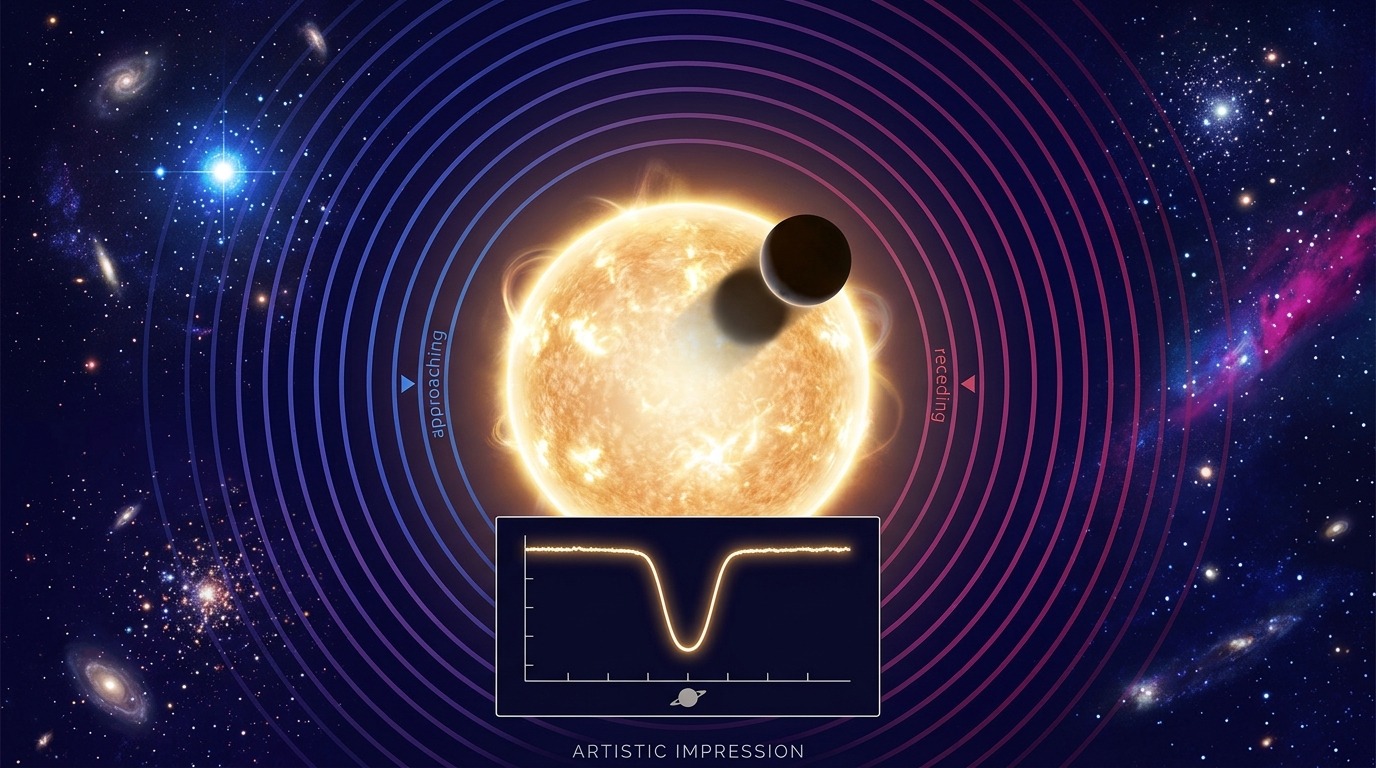
Consequently, observational astrobiology has predominantly detected Earth-sized worlds orbiting red dwarfs, technically classified as M dwarfs [s1]. These faint, cool, low-mass stars are by far the most abundant stellar population in the Milky Way, accounting for approximately 75 percent of all stars in our galaxy [s1]. From an observational standpoint, red dwarfs provide a distinct advantage: their low luminosity and diminutive mass make the periodic transits and gravitational wobbles induced by small, terrestrial planets far easier to detect [s1]. However, this observational convenience introduces severe astrophysical challenges for any life hoping to gain a foothold.

High-Energy Radiation and Stellar Storms
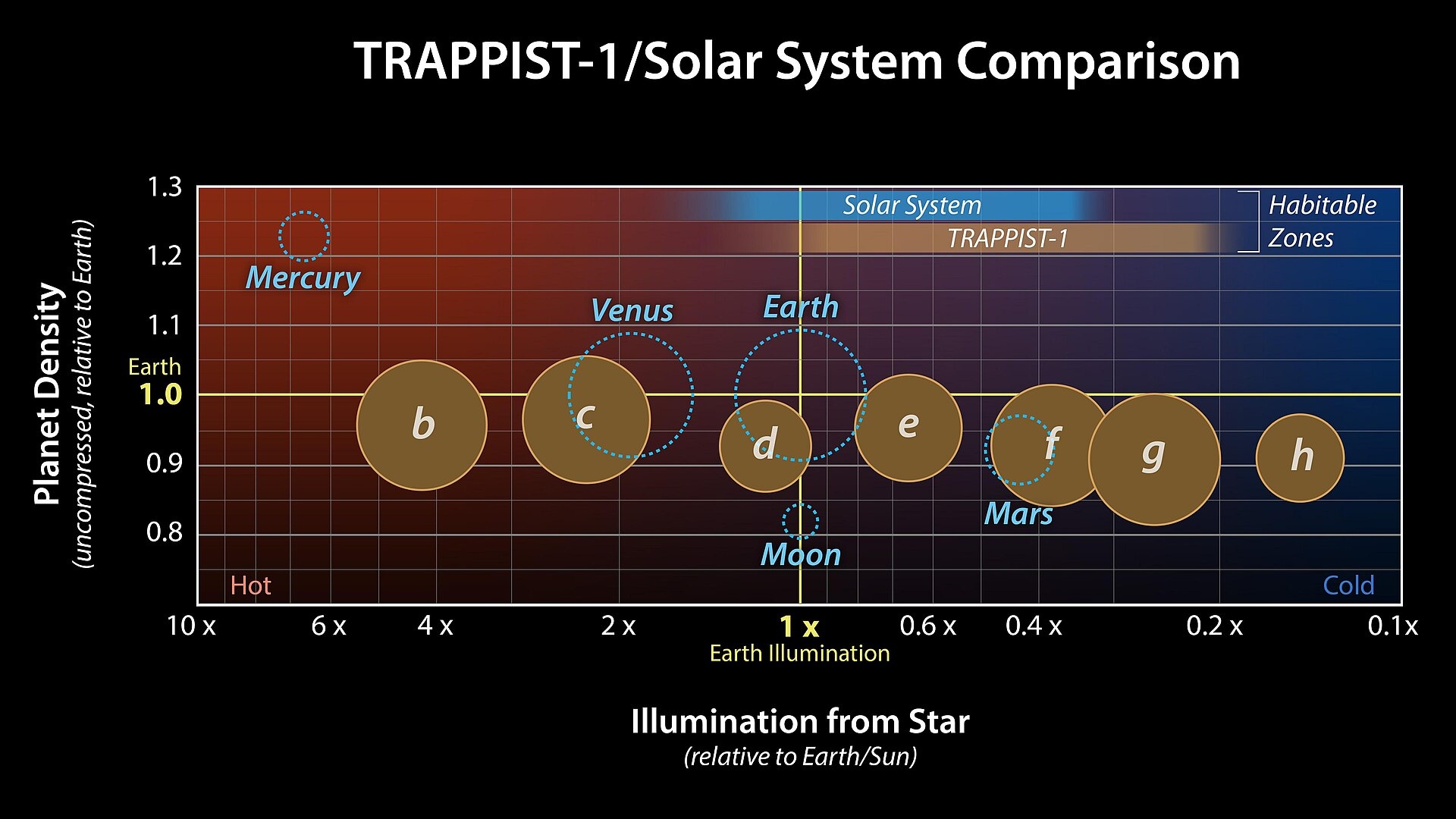
Because red dwarfs burn much cooler and emit far less radiant energy than yellow dwarf stars like the Sun, their habitable zones are situated extremely close to their stellar surfaces [s1]. In compact systems such as TRAPPIST-1, worlds in the liquid-water zone orbit just a fraction of the distance that separates Mercury from our Sun [s1].
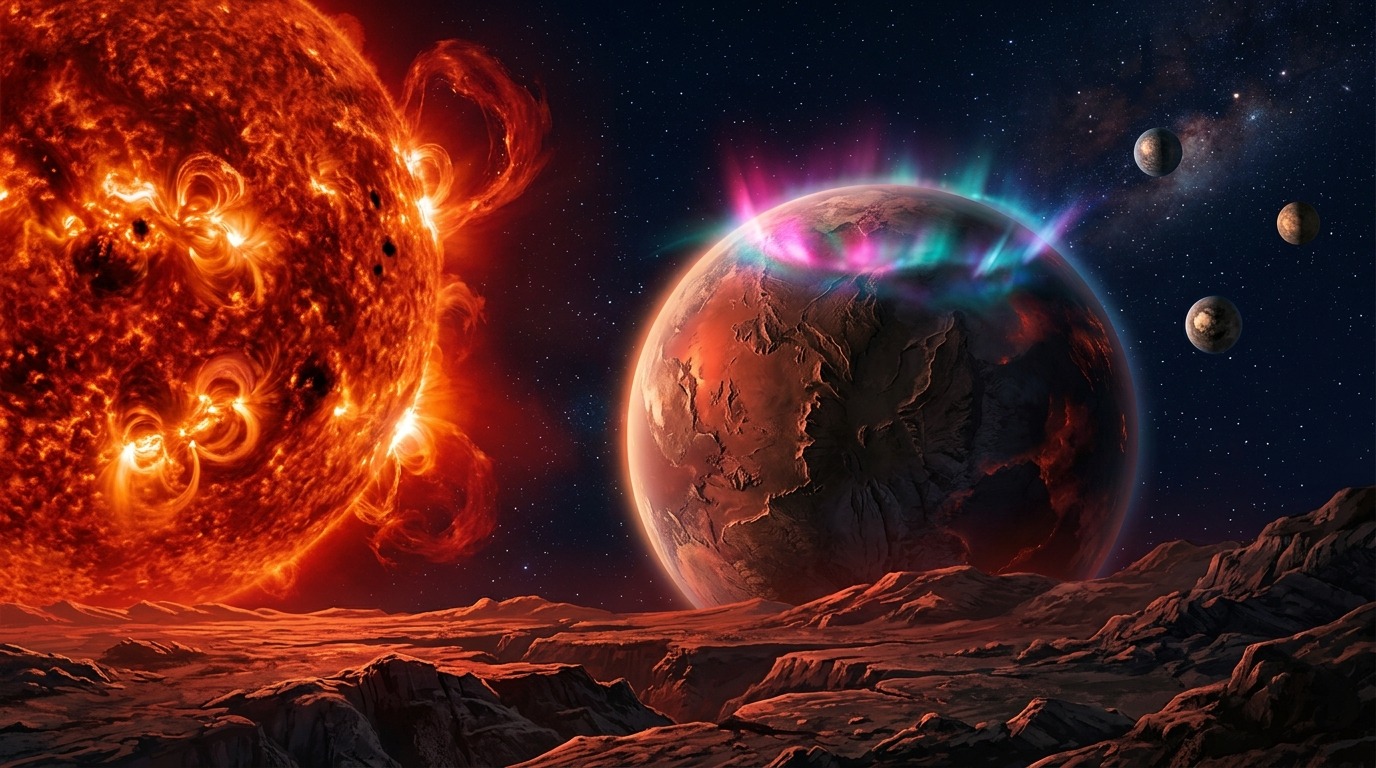
This tight proximity creates an exceptionally punishing environment. Planets nestled within a red dwarf's narrow habitable zone are bombarded by extreme flux levels of high-energy X-ray and ultraviolet (UV) radiation [s1]. According to NASA, this radiation can reach intensities hundreds of thousands of times greater than the levels Earth receives from the Sun [s1]. Over hundreds of millions of years, relentless photoevaporation and high-energy photon bombardment can ionize and dismantle planetary atmospheres, stripping away water vapor and volatile gases into the interplanetary vacuum [s1].
Compounding this steady radiation flux is the volatile temper of red dwarfs themselves [s1]. Especially throughout their prolonged youth, M dwarfs are notorious for exhibiting turbulent magnetic fields that generate powerful, frequent superflares [s1]. These violent eruptions blast the surrounding space with high-energy particles and coronal mass ejections that can repeatedly strip developing secondary atmospheres and potentially sterilize planetary surfaces before biological chemistry can establish stable roots [s1].

TRAPPIST-1 d and the Threat of Atmospheric Loss
The theoretical hazards facing close-in rocky worlds are now being put to the test by space-based observatories. Since its discovery in 2017, the TRAPPIST-1 system—a compact family of seven Earth-sized rocky planets orbiting an ultracool red dwarf—has stood as the premier natural laboratory for investigating M dwarf habitability [s1].
Recent preliminary spectroscopic investigations conducted with the James Webb Space Telescope (JWST) have delivered sobering news for one of these worlds. Early observations of TRAPPIST-1 d, the third planet from the star and an Earth-sized world orbiting on the inner edge of habitability, show that it appears to lack a substantial atmosphere [s1]. While scientists caution that these findings remain preliminary and that investigations into TRAPPIST-1 d and its cooler, outer siblings are ongoing, the absence of an insulating atmospheric blanket suggests that high-energy stellar stripping may indeed desiccate close-in rocky worlds [s1].
Astronomers continue to monitor the outer planets in the TRAPPIST-1 system to determine whether greater orbital distance provides sufficient protection for volatiles to survive [s1]. If subsequent observations confirm that secondary atmospheres cannot persist around active red dwarfs, it could indicate that billions of Earth-sized planets across the galaxy are barren terrestrial rocks rather than verdant ocean worlds.
The Orange Dwarf Alternative
Faced with the harsh radiation regimes of red dwarfs and the relative scarcity of Sun-like stars, astronomers are increasingly looking toward a stellar intermediate: orange dwarfs, or K-type stars [s1]. Less luminous and slightly cooler than our Sun, orange dwarfs have garnered attention from researchers as potentially superior hosts for complex life [s1].
Astrophysicist Edward Guinan of Villanova University has characterized K dwarfs as the cosmic sweet spot, describing them as true "Goldilocks stars" [s1]. K dwarfs occupy a balanced niche between rarer, shorter-lived G-type solar analogues and turbulent, flare-prone M dwarfs [s1]. While Sun-like stars exhaust their hydrogen fuel in roughly 10 billion years, orange dwarfs can burn steadily and quiescently for tens of billions of years [s1]. This extraordinary stellar longevity opens an immense temporal window for evolutionary processes to unfold without the constant threat of lethal flaring or total atmospheric desiccation [s1].
Moreover, orange dwarfs are roughly three times more abundant in our galaxy than Sun-like stars [s1]. Future observation initiatives, including planned missions such as NASA's Habitable Worlds Observatory designed specifically to search for biosignatures on Earth-like worlds, will increasingly scrutinize these stellar systems [s1]. The lesson emerging from recent exoplanetary discoveries is unequivocal: finding life beyond Earth requires looking far beyond simple orbital boundaries and evaluating the complete cosmic temperament of the stars that nurture them [s1].

Sources & further reading
[s1] The Habitable Zone - NASA Science ↗science.nasa.gov
Updated 18/10/2026. Report a correction.Image credits
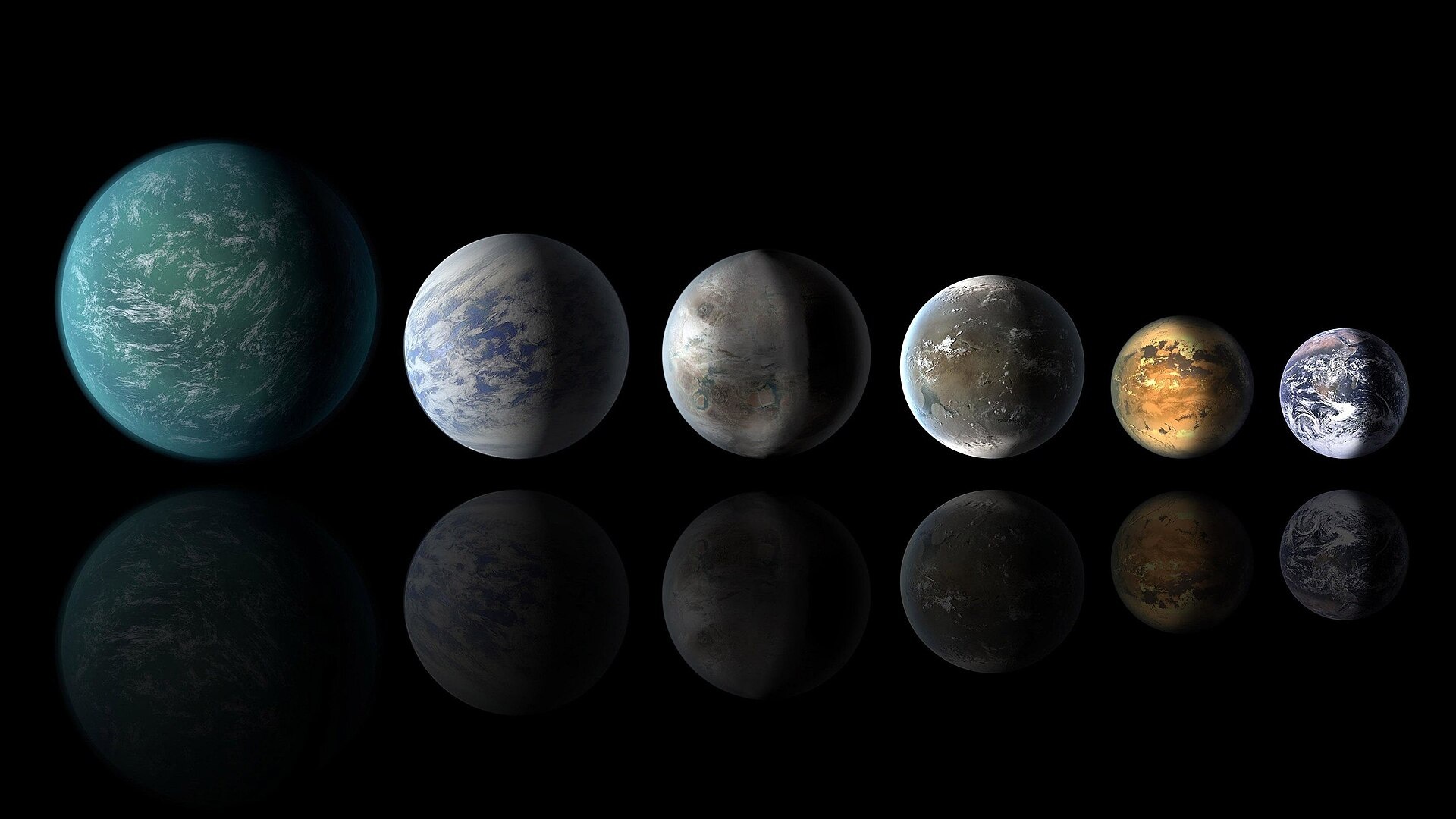
Source image · NASA-Exoplanet-WaterWorlds-20180817 · NASA · Public domain · Original image and rights details ↗
Source image · PSO J318.5-22 Rouge 39x27 CMYK-1 · NASA/JPL-CalTech · Public domain · Original image and rights details ↗