The Thermodynamic Challenge of Lunar Energy Storage
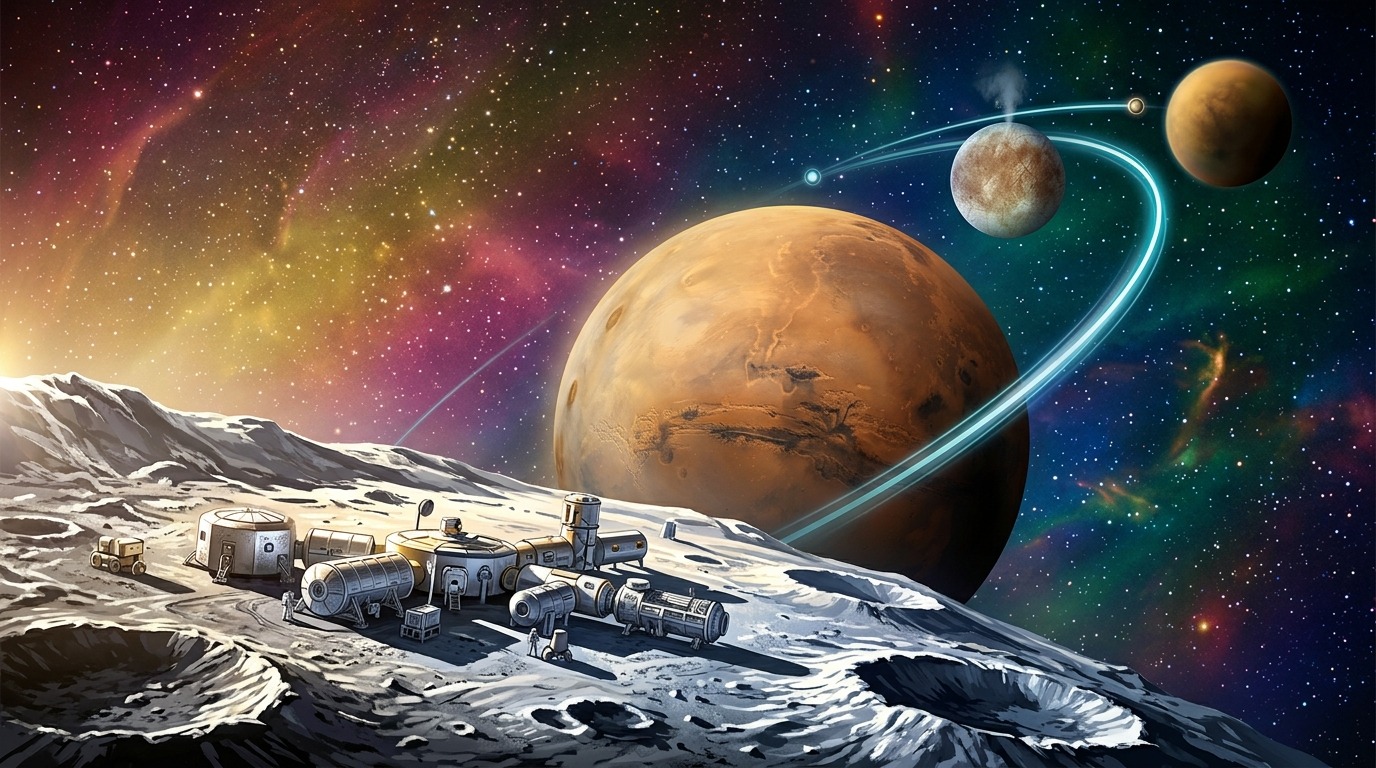
Exploring the Moon’s South Pole presents one of the most hostile operational environments in the solar system. Permanently shadowed craters, which may hold water ice vital for sustained human presence, regularly plunge to minus 328 degrees Fahrenheit (minus 200 degrees Celsius), while sunlit plateaus can climb beyond the boiling point of water [s1]. To establish a durable presence on the lunar surface under the Artemis campaign, NASA requires energy storage systems capable of weathering these intense thermal swings without catastrophic failure [s1].
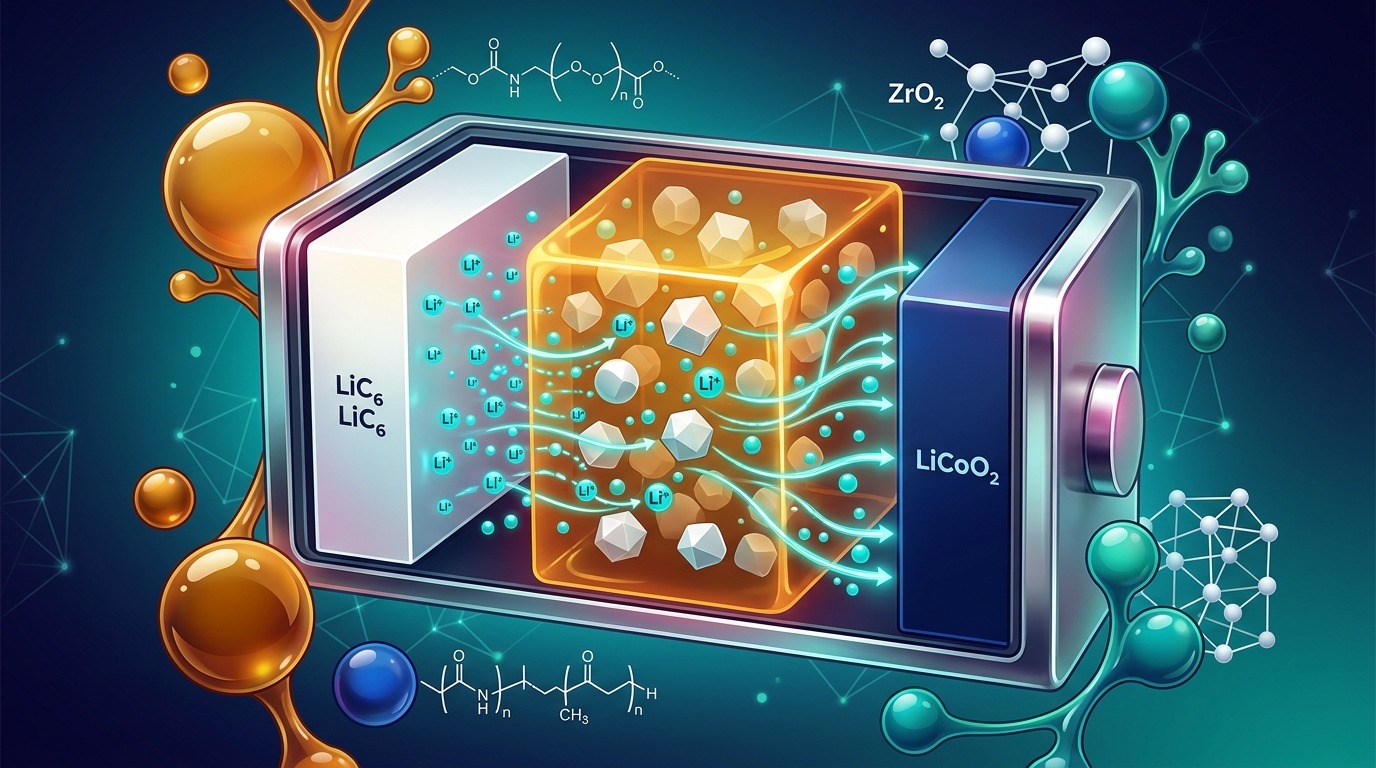
Electrochemical batteries rely on an electrolyte medium to transport ions between the positive cathode and negative anode during charge and discharge cycles. In commercial consumer devices and conventional space hardware, standard lithium-ion chemistries utilize organic liquid electrolytes. While liquid electrolytes offer high ionic conductivity at room temperature, they become severe liabilities in deep space. Extreme cold thickens and eventually freezes liquid electrolytes, halting ion transport and potentially cracking cell components [s1]. Conversely, elevated daytime temperatures create elevated internal pressures and fire hazards, while exposure to the hard vacuum of space prompts rapid electrolyte evaporation if packaging is breached [s1].
Engineering Solid Ceramic and Polymer Electrolytes
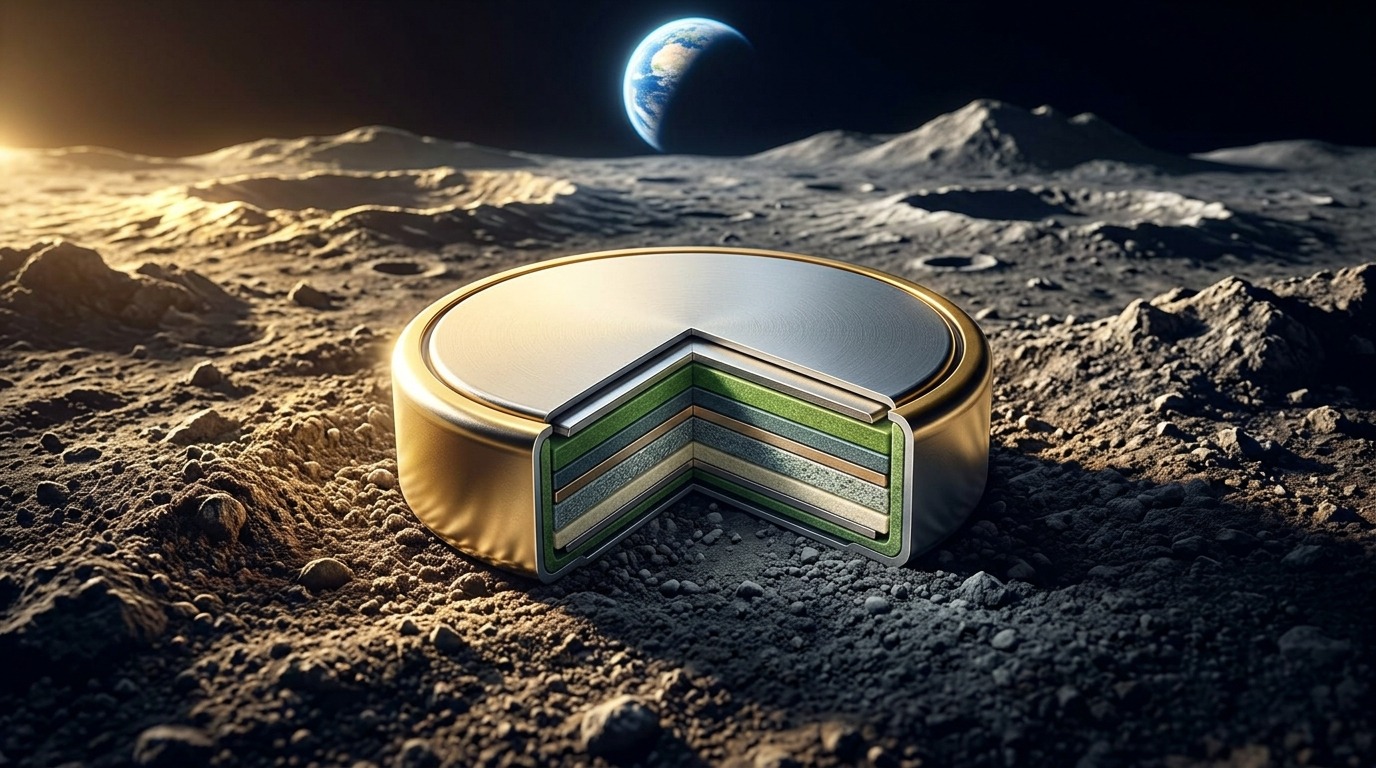
To eliminate the failure modes inherent to liquid chemistries, NASA initiated the Solid Power for Extreme Environment Adaptability and Resilience in Space (SPEARS) project [s1]. Led by the Glenn Research Center in Cleveland in partnership with the Langley Research Center in Hampton, Virginia, SPEARS focuses on developing solid-state batteries that substitute conventional liquids with solid ceramic- or polymer-based electrolyte matrices [s1].
Solid-state architectures inherently suppress the physical risks that plague liquid cells. Because ceramic and polymer matrices do not undergo phase transitions into liquid or vapor under lunar operating pressures, they completely remove the threat of internal evaporation, leakage, or freezing-induced expansion [s1]. Furthermore, solid electrolytes are intrinsically non-flammable, significantly mitigating thermal runaway risks for astronaut habitats, portable life-support systems, and uncrewed robotic explorers [s1]. As principal investigator Donald Dornbusch noted, reliable and safe operation in the lunar environment is indispensable for establishing humanity's sustained off-world infrastructure [s1].
Thermal Vacuum Milestones at NASA Langley
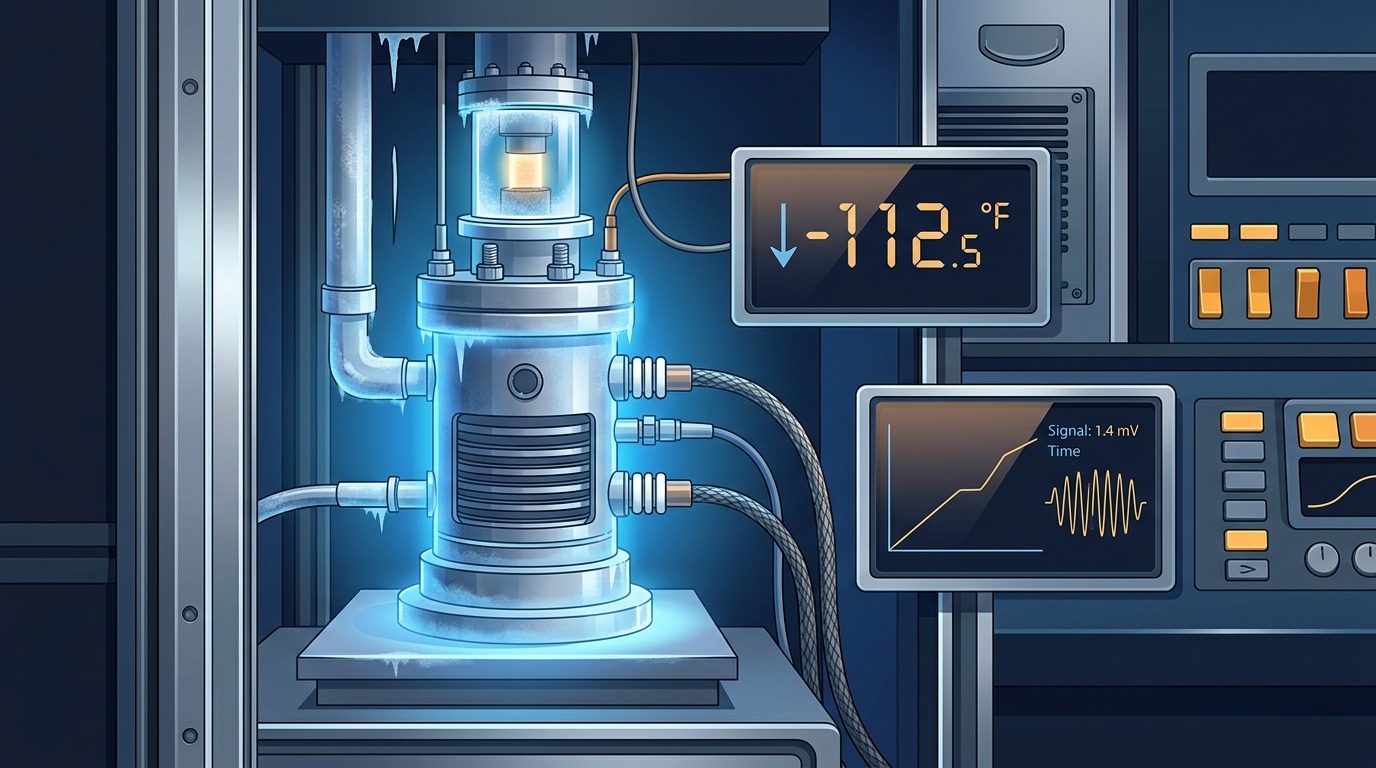
The operational capabilities of the SPEARS architecture were evaluated during rigorous thermal vacuum testing at NASA Langley [s1]. Researchers exposed prototype coin-cell batteries to vacuum conditions while subjecting them to controlled thermal cycles [s1]. Testing confirmed that the prototypes operated effectively across an impressive thermal window, performing well up to 176°F (80°C) and down to minus 76°F (minus 60°C) [s1].
Even more remarkably, the cells retained active electrical functioning down to minus 112°F (minus 80°C), showing only slightly reduced performance [s1]. Yi Lin, SPEARS testing and research lead at NASA Langley, underscored that this testing proved for the first time that these solid-state cells can function at temperatures as low as minus 80 degrees Celsius [s1]. While standard liquid cells seize up entirely well before reaching such sub-zero levels, the solid ceramic and polymer frameworks preserve the pathways necessary for ion transport, allowing the cell to deliver power in conditions that would paralyze conventional equipment [s1].
Deep Freeze Survivability and Thermal Management
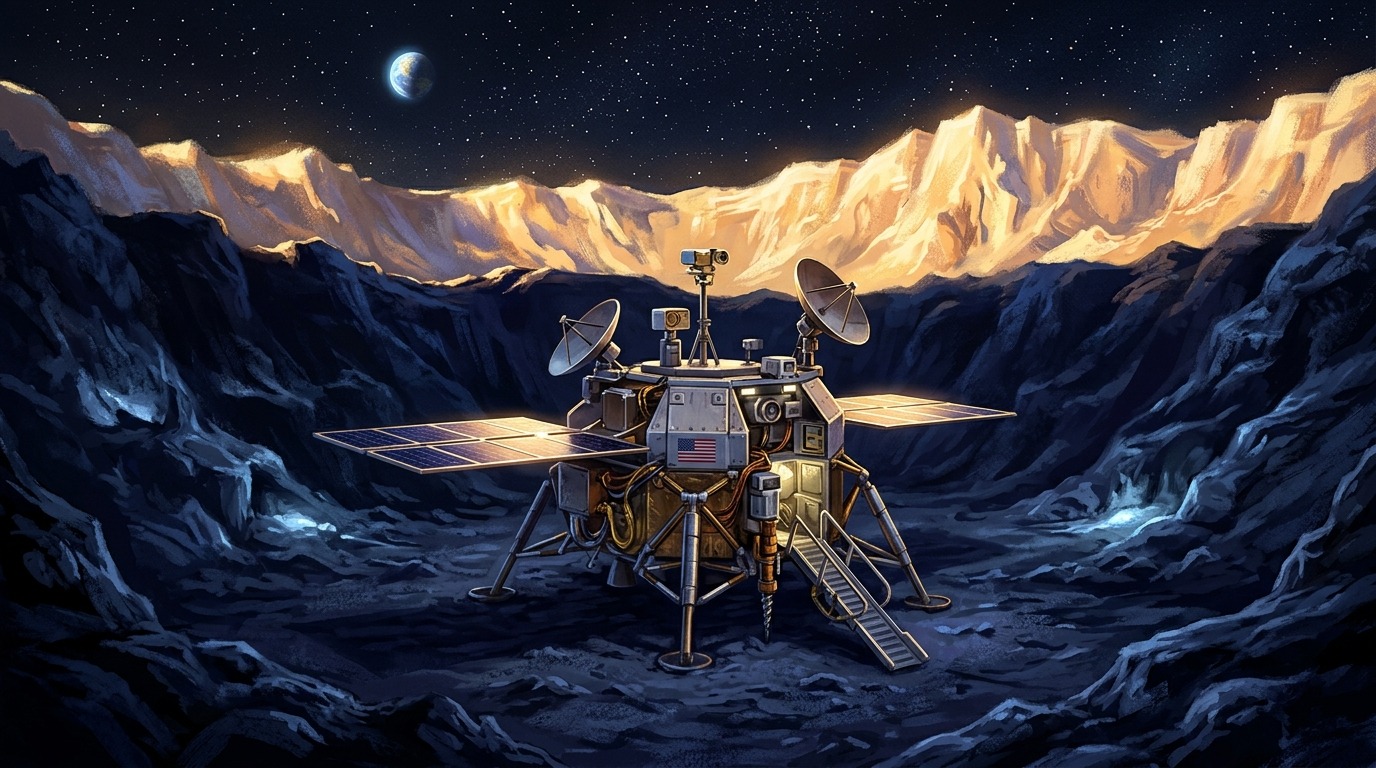
Surviving the lunar night requires more than simply operating under mild chill; batteries must endure hours of exposure to extreme deep freeze and return to service undamaged. During thermal vacuum chamber experiments, researchers subjected SPEARS prototype cells to temperature extremes spanning from 212°F (100°C) down to minus 274°F (minus 170°C) [s1].
Post-test assessments demonstrated that the SPEARS batteries sustained zero structural damage from this severe exposure [s1]. Although the cells do not actively cycle or deliver current at minus 274°F, their solid-state construction ensures that the electrolyte does not freeze, crystallize, or rupture the electrode interfaces [s1]. Consequently, operational restoration does not require complex, continuous heating systems. Instead, integrated lightweight heaters need only warm the batteries up to their functional threshold when power delivery is needed [s1]. This capability substantially reduces the mass and power penalties associated with heavy thermal control jackets and heat-retention systems, enabling more compact spacecraft designs and extended scientific sorties [s1].
Tunable Chemistries and Terrestrial Spin-Offs
The versatility of the SPEARS platform stems from its adaptable chemical foundation. According to test lead Yi Lin, the solid electrolyte platform can be paired with varied electrode materials, allowing mission architects to tune cells specifically for high energy density, rapid power discharge, or prolonged cycle life depending on mission needs [s1]. Potential lunar applications range from small handheld tools and core drills exploring shadowed craters to astronaut emergency power packs, robotic rovers, and stationary sensor packages [s1].
Originating from an aeronautics energy storage initiative led by Dornbusch and Lin, SPEARS formally commenced in 2026 under the Advanced Research and Technology division of NASA’s Research and Technology Mission Directorate [s1]. As development progresses toward commercial partnerships, NASA's Ames Research Center in California is fabricating specialized flight hardware, test boards, and control electronics to validate SPEARS cells in spaceflight environments [s1]. Beyond lunar exploration, the technology holds widespread promise for terrestrial applications, offering resilient and flame-resistant power supplies for electric vehicles, aerial drones, and personal electronics operating in harsh climates [s1].

Sources & further reading
[s1] NASA Develops Batteries to Power Humanity's Return to Moon - NASA ↗www.nasa.gov · 2026-10-14
Updated 15/10/2026. Report a correction.