FROM YOUR FEED TO THE FULL STORY

Saw it on Instagram?

Pick the post. Follow the evidence. Stay curious.
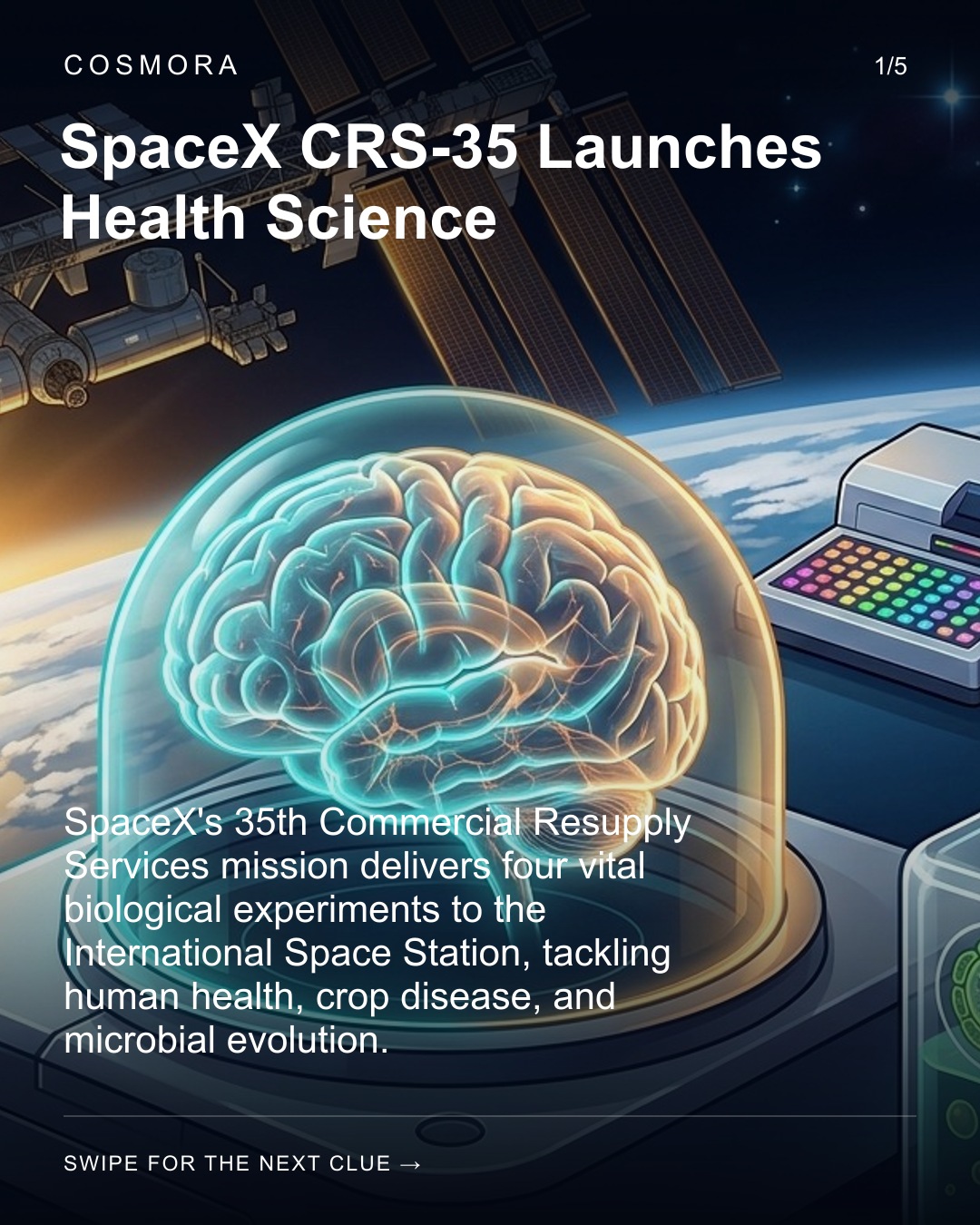
SpaceX CRS-35 Launches Health Science. SpaceX's 35th Commercial Resupply Services mission delivers four vital biological experiments to the International Space Station, tackling human health, crop disease, and microbial evolution.
Space

SpaceX CRS-35: NASA Launches Precision Health and Agriculture Research to Orbit

Read the full story →
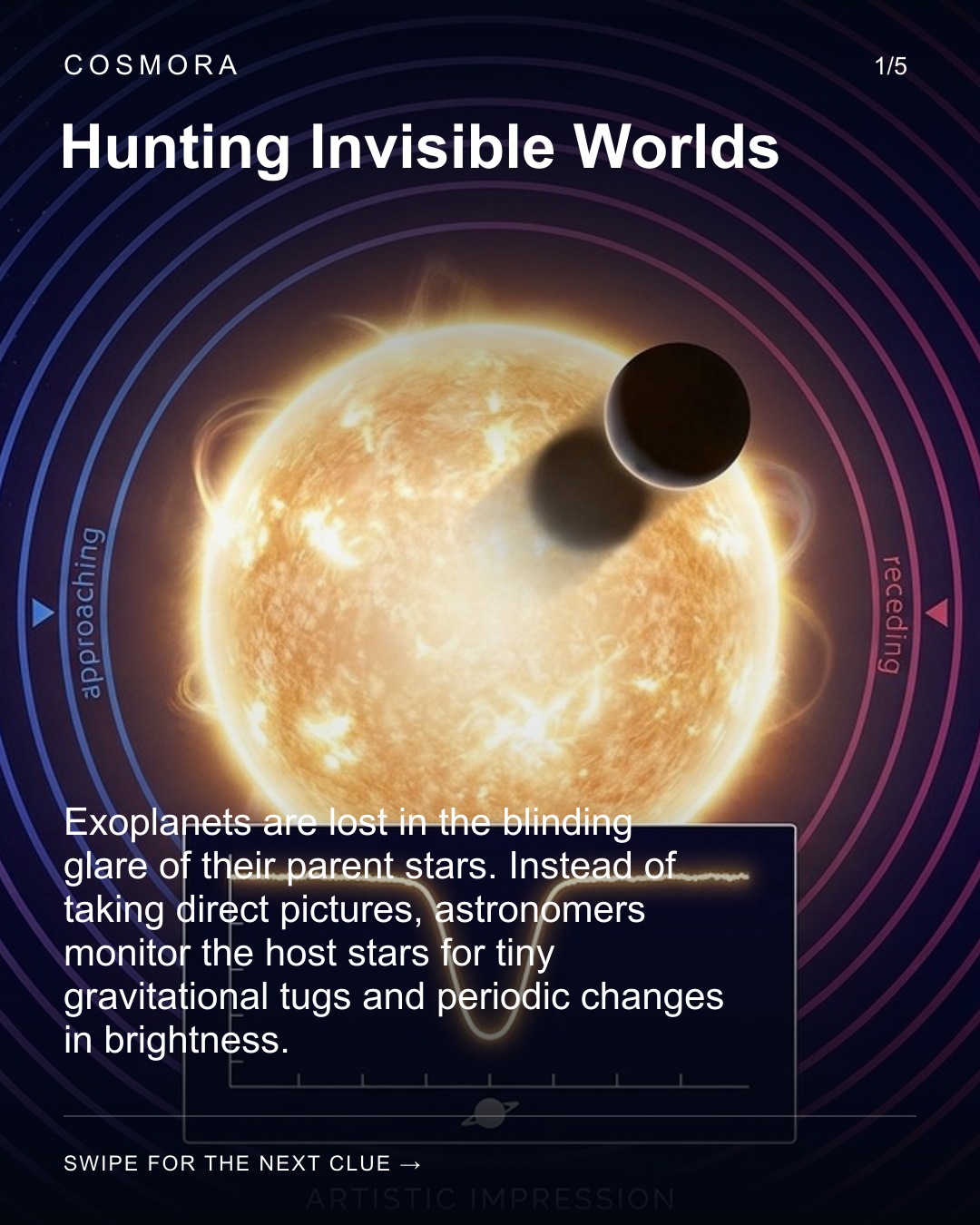
Hunting Invisible Worlds. Exoplanets are lost in the blinding glare of their parent stars. Instead of taking direct pictures, astronomers monitor the host stars for tiny gravitational tugs and periodic changes in brightness.
Space

Shadows and Wobbles: How Astronomers Find Exoplanets Without Seeing Them

Read the full story →
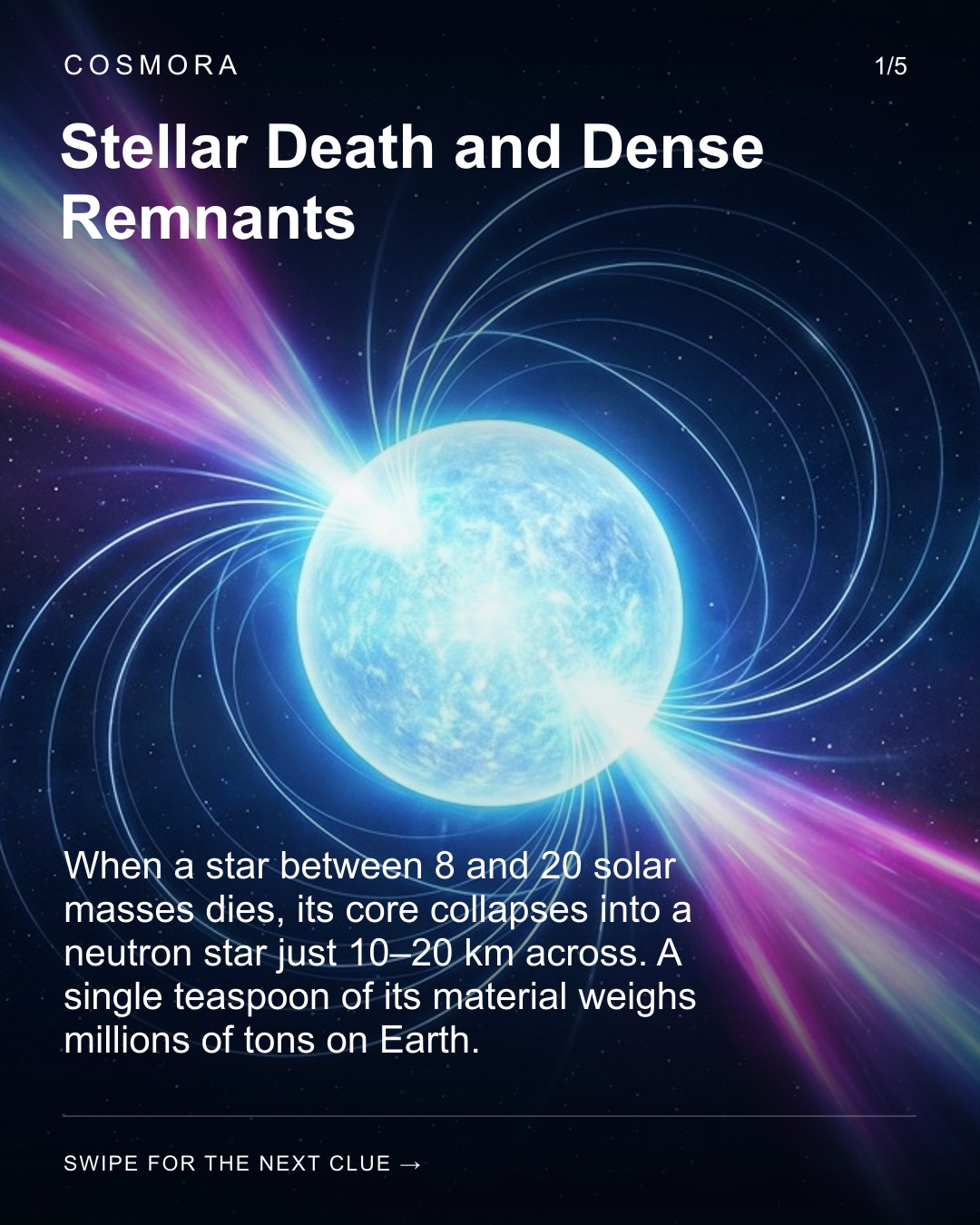
Stellar Death and Dense Remnants. When a star between 8 and 20 solar masses dies, its core collapses into a neutron star just 10–20 km across. A single teaspoon of its material weighs millions of tons on Earth.
Space

Cosmic Beacons: Why Dead Stars Flash Like Cosmic Lighthouses

Read the full story →
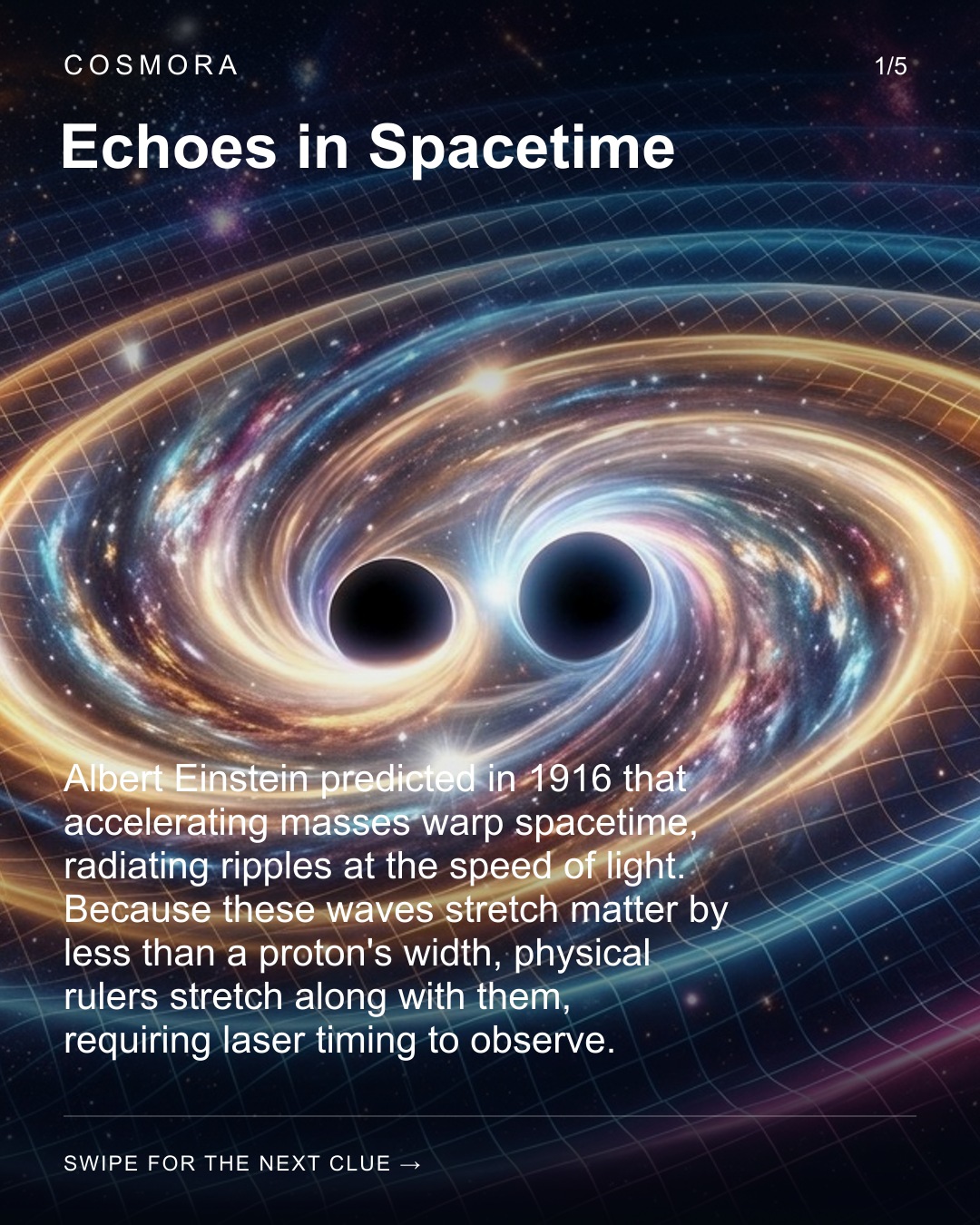
Echoes in Spacetime. Albert Einstein predicted in 1916 that accelerating masses warp spacetime, radiating ripples at the speed of light. Because these waves stretch matter by less than a proton's width, physical rulers stretch along with them, requiring laser timing to observe.
Fundamental physics

Measuring Spacetime: How Science Captures Cosmic Ripples

Read the full story →
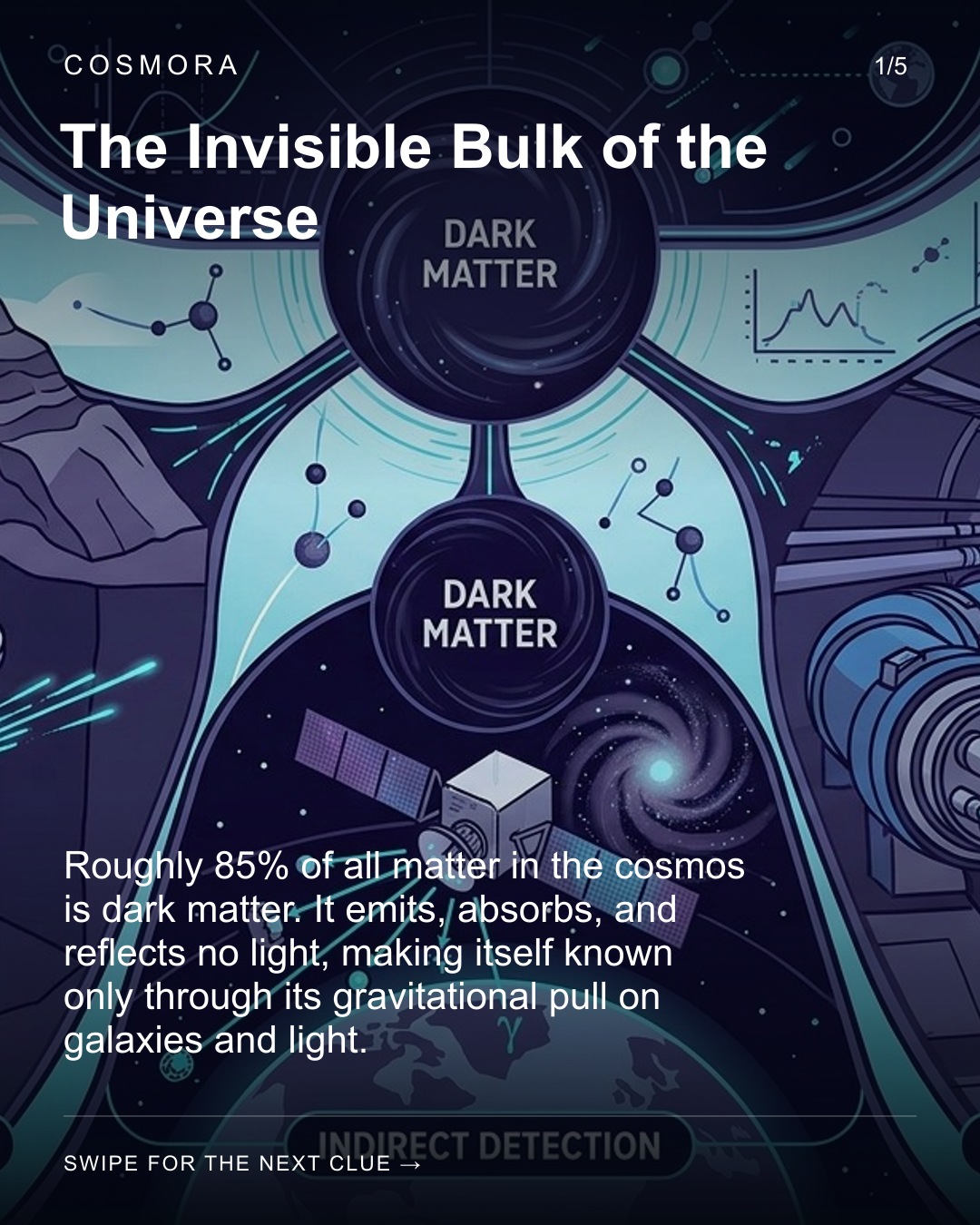
The Invisible Bulk of the Universe. Roughly 85% of all matter in the cosmos is dark matter. It emits, absorbs, and reflects no light, making itself known only through its gravitational pull on galaxies and light.
Fundamental physics

Hunting the Invisible: How Scientists Search for Dark Matter Particles

Read the full story →
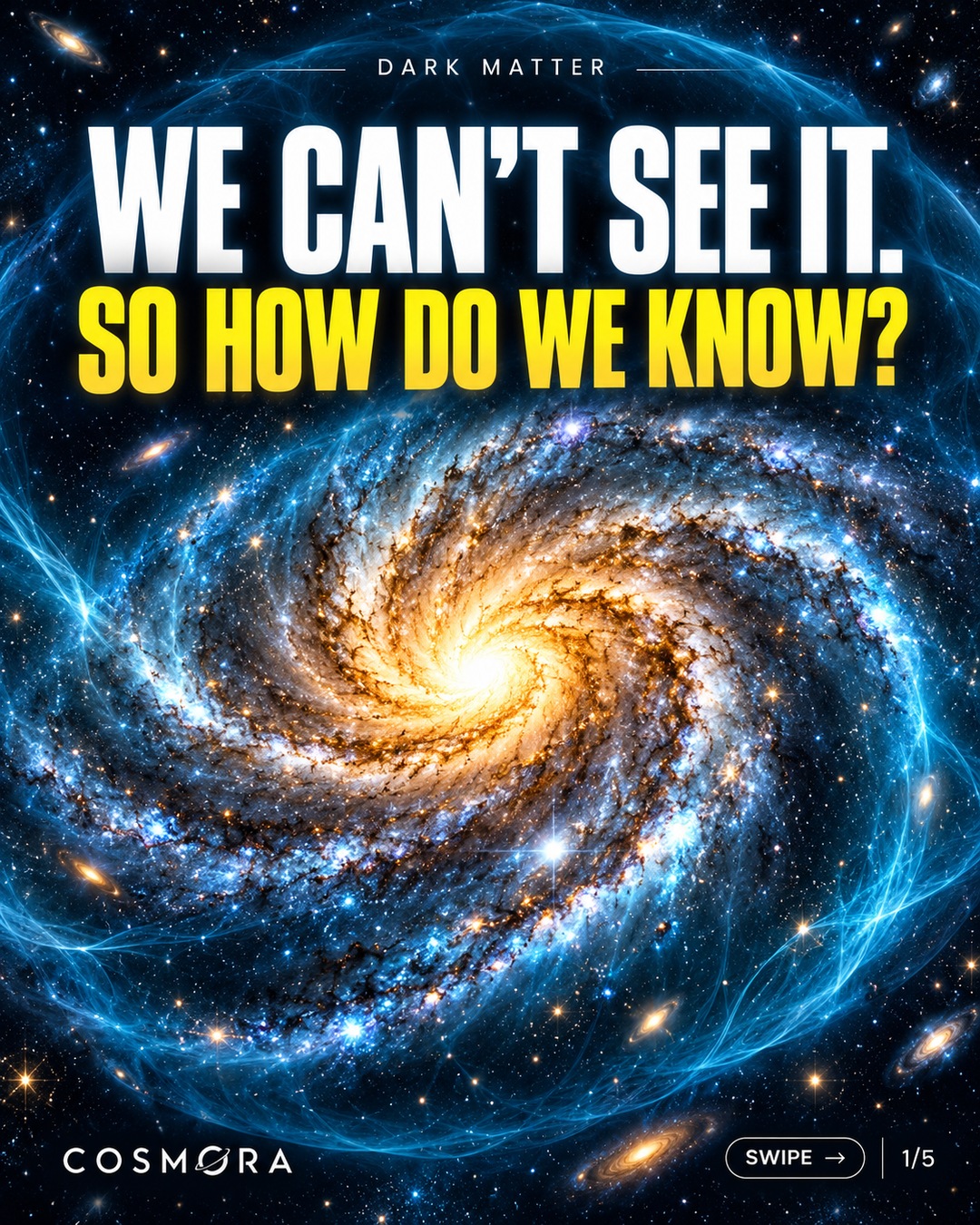
We can't see it. So how do we know? Conceptual golden and blue spiral galaxy with an artistic halo. Dark matter cover, 1 of 5.
Cosmology

Dark matter: what scientists know

Read the full story →